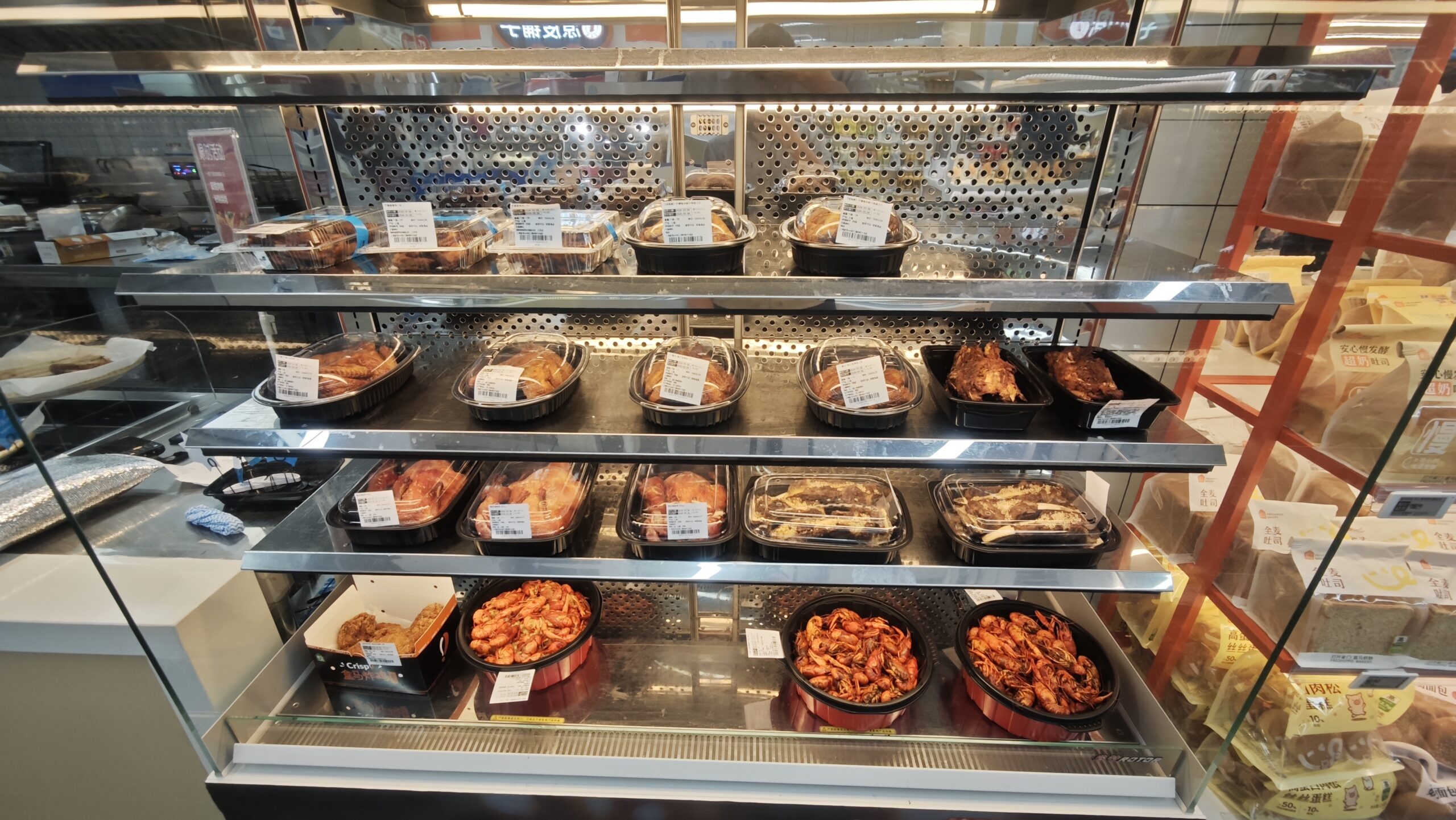

The Science Behind Better Food Displays
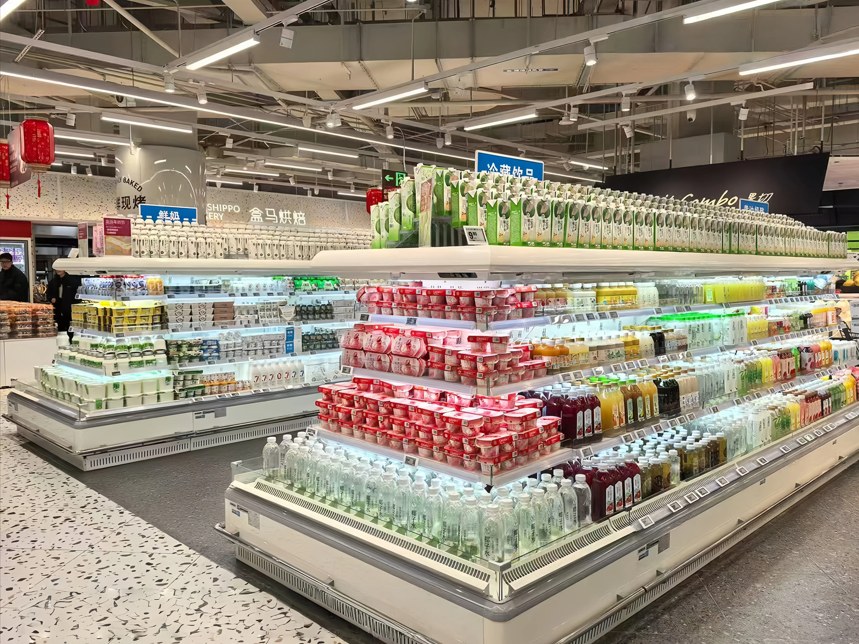
Walk into any well-run supermarket and one thing becomes immediately clear: lighting is not just about brightness. It shapes how customers perceive freshness, quality, and even trust. In food retail, especially around refrigerated and frozen displays, lighting plays a silent but powerful role in influencing purchasing behavior.
Among all lighting parameters, CRI — Color Rendering Index — is one of the most misunderstood and underestimated. Many retailers focus on lumen output or color temperature alone, assuming brighter or cooler light automatically means better display. In reality, high-CRI lighting is often the difference between food that looks “acceptable” and food that looks irresistible.
Understanding CRI: What It Really Means
CRI measures how accurately a light source reveals the true colors of objects compared to natural daylight. The scale runs from 0 to 100. A higher CRI means colors appear more natural, richer, and closer to how the human eye expects to see them.
- CRI 70–80: Common in basic commercial lighting; functional but color accuracy is limited
- CRI 90+: High color fidelity; subtle tones and textures become visible

In supermarkets, where customers rely heavily on visual cues to judge freshness, color accuracy directly affects buying decisions. Slight distortions in color — pale meat, grayish dairy packaging, dull produce — subconsciously signal lower quality, even when the product itself is perfectly fine.
How CRI Influences Purchase Behavior
Consumers rarely analyze lighting consciously, but they respond to it instinctively. Numerous retail studies show that:
- Products displayed under high-CRI lighting appear fresher and more premium
- Shoppers spend more time in well-lit refrigerated areas
- Accurate color presentation builds trust, especially for fresh food
When lighting exaggerates cold tones or washes out natural colors, customers hesitate. When food looks vibrant and natural, confidence increases — and so does conversion.
This effect becomes even more critical in today’s retail environment, where stores are frequently filmed for social media, livestream sales, and private customer groups. Poor CRI lighting often results in unflattering video footage, color banding, or unnatural skin and food tones on camera.
One Store, Many Lighting Needs: CRI by Food Category
Not all food benefits from the same light. High-CRI lighting allows retailers to fine-tune presentation for different product categories without compromising consistency.
Meat Displays: Preserving Freshness Perception
Fresh meat is particularly sensitive to lighting quality. Low-CRI or poorly balanced light can make red meat appear brownish or gray, instantly triggering doubts about freshness.
High-CRI lighting (CRI >90) helps:
- Enhance natural reds without oversaturation
- Reveal texture and marbling clearly
- Maintain a clean, appetizing appearance under glass
For professional buyers and category managers, this difference is immediately noticeable — and often decisive.
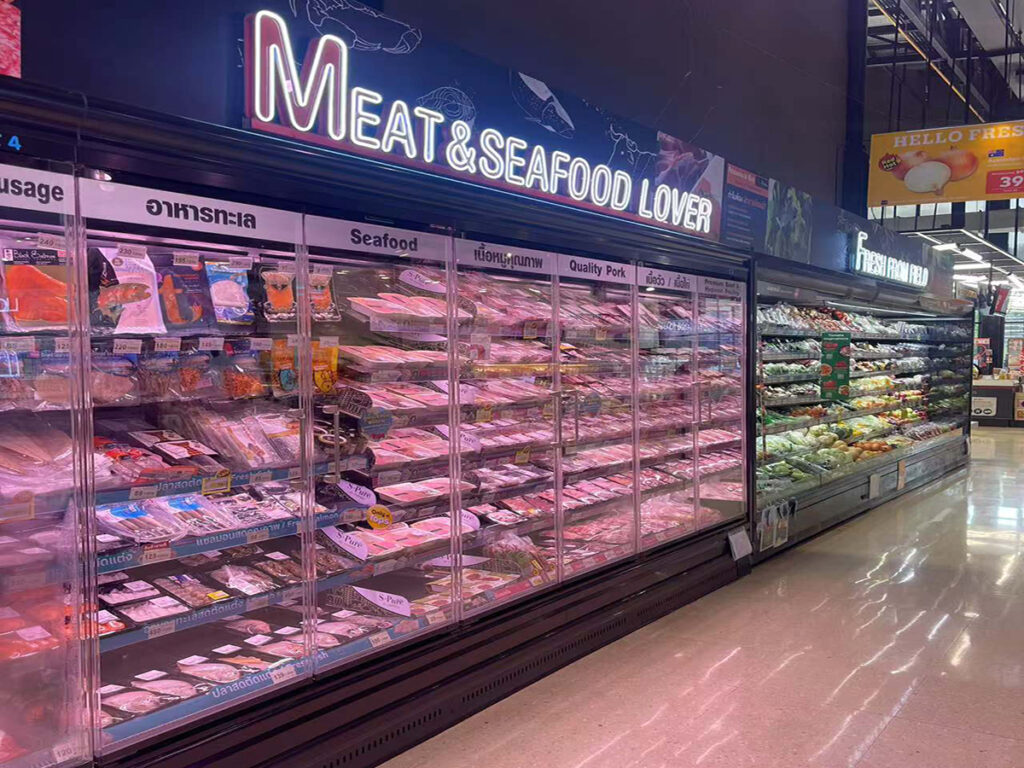
Dairy and Frozen Foods: Clean, Natural Whites
Dairy products rely heavily on clean whites and accurate packaging colors. Lighting with poor CRI often introduces yellow or blue shifts, making products look dull or artificial.
High-CRI neutral or cool white lighting:
- Keeps milk, yogurt, and frozen packaging looking crisp
- Avoids color distortion across brands
- Supports a hygienic, trustworthy visual impression

Produce and Beverages: Depth and Vibrancy
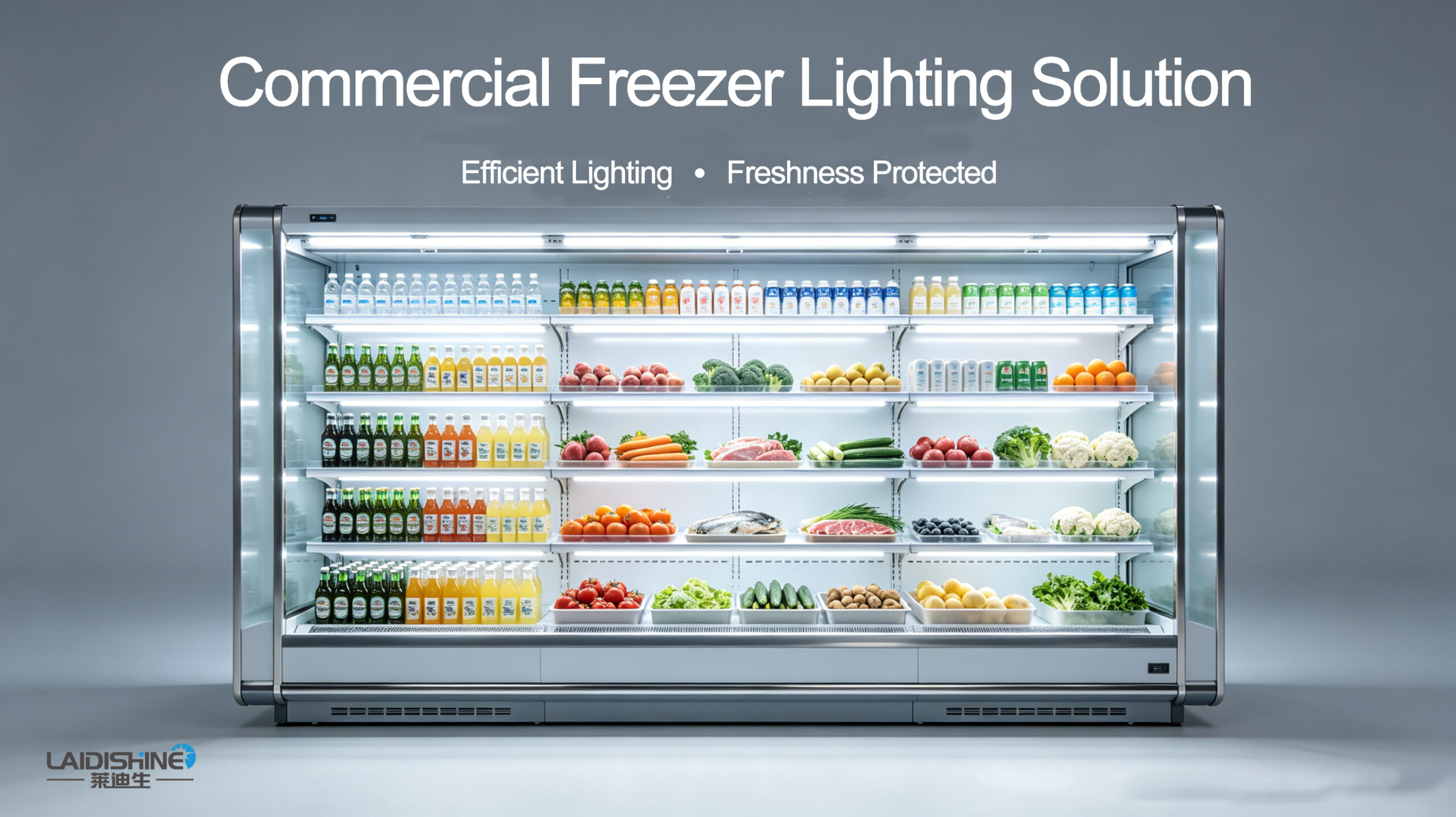
Fruits, vegetables, and bottled beverages benefit from lighting that reveals depth, gloss, and saturation without glare.
High-CRI lighting allows:
- Greens to appear fresh, not flat
- Fruits to show natural ripeness
- Beverage labels and liquids to look clear and appealing
In vertical refrigerated showcases, controlled optics combined with high CRI ensure uniform illumination from top to bottom — eliminating dark zones that reduce shelf impact.

Why Traditional T8/T5 Tubes Fall Short
Many supermarkets still rely on modified T8 or T5 LED tubes originally designed for ambient lighting, not refrigerated displays. While they may offer sufficient brightness, they lack the precision required for modern merchandising.
Common limitations include:
- Low or inconsistent CRI, especially after aging
- Uncontrolled beam angles, causing glare and light waste
- Poor performance in cold or humid environments
- Flicker issues that affect video recording
Without optical control, much of the light ends up illuminating cabinet walls or shining directly into customers’ eyes instead of highlighting the products.
The Role of Optical Design in High-CRI Lighting
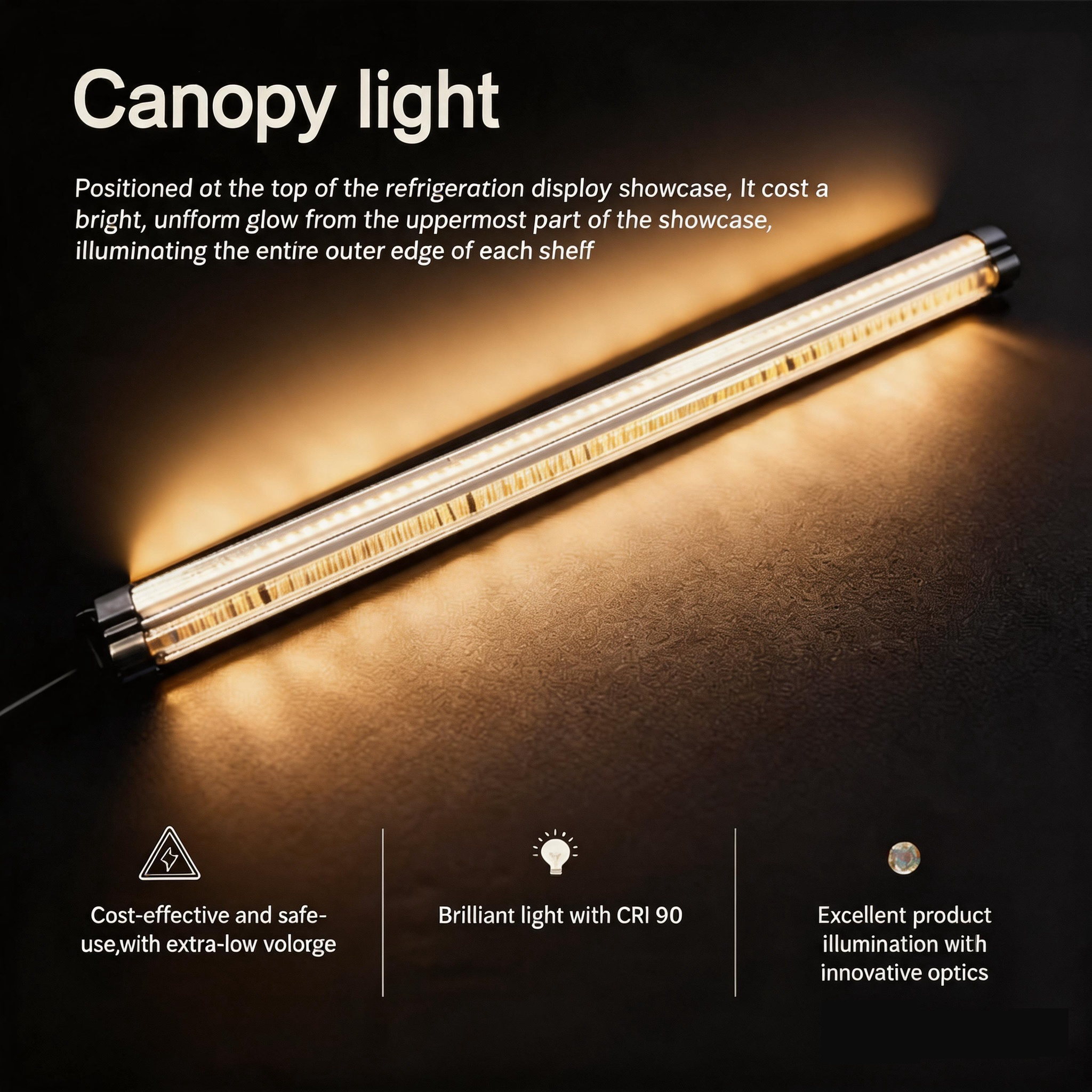
High CRI alone is not enough. To be effective in refrigerated showcases, lighting must combine color accuracy with optical control.
Purpose-designed optical lenses:
- Direct light precisely onto shelves and products
- Improve uniformity across multiple deck levels
- Reduce glare and reflections on glass doors
- Enhance perceived brightness without increasing wattage
This combination allows retailers to achieve better results with lower energy consumption — a growing priority for chains operating hundreds or thousands of stores.
Real-World Experience from Supermarkets
In recent retrofit projects, many supermarkets have replaced standard fluorescent or basic LED tubes with high-CRI, optically controlled lighting. The feedback is consistent:
- Displays look brighter without being harsh
- Products appear closer to their real, natural color
- Store managers report improved customer engagement
- Marketing teams find it easier to film and photograph displays
In some cases, retailers initially planned only partial upgrades but expanded the scope after seeing the visual difference in a single showcase.
Looking Ahead: Lighting as a Strategic Tool
Modern supermarket lighting is no longer just an operational necessity. It is part of brand presentation, customer experience, and digital visibility.
High-CRI lighting supports:
- Stronger shelf impact
- Better in-store atmosphere
- Consistent visual identity across locations
- Improved performance in online and video content
As retail continues to evolve, lighting that accurately represents products — both in person and on screen — will become a baseline expectation rather than a premium option.
Final Thoughts
High-CRI lighting is not about making food look “brighter.” It’s about making it look right.
By understanding the science behind color rendering and applying it thoughtfully across different food categories, supermarkets can enhance trust, improve merchandising, and create a more compelling shopping experience. When paired with proper optical design and reliable performance in refrigerated environments, high-CRI lighting becomes a quiet but powerful driver of retail success.
For retailers, manufacturers, and refrigeration professionals, the question is no longer whether CRI matters — but how well it’s being implemented.