1. Case Overview
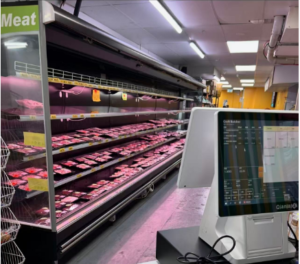
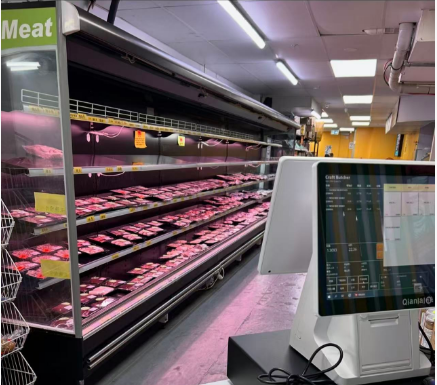
We have recently completed a T8 fresh meat light retrofit project. To cut procurement costs, the client purchased 20 non-brand T8 LED tubes via low-cost channels for replacement. After installation, severe failure occurred: the residual-current device (RCD) tripped and cut off power immediately the 20 tubes lit up simultaneously, rendering the system inoperable.
2. Root Cause Analysis
We disassembled the faulty fittings and confirmed the failure stemmed from inherent quality defects of these low-cost tubes.
To slash production costs, generic low-end T8 tubes adopt drastic circuit cost-cutting measures, resulting in extremely poor electrical safety. T8 tubes operate on high-voltage drivers; the built-in power driver is a core safety component. However, this batch omits EMC filtering circuits, uses downgraded miniature core capacitors, and fails to meet insulation process standards. Consequently, continuous earth leakage current is generated between the aluminium housing and internal wiring.
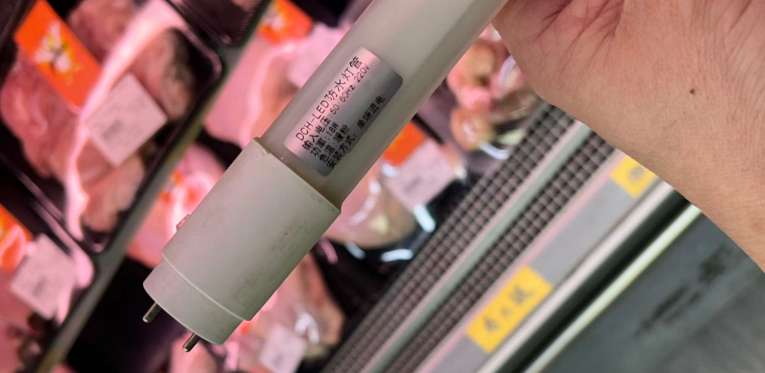
A single inferior tube only produces several milliamps of leakage current. When only a few tubes are switched on, the total leakage current stays below the 30mA trip threshold of the RCD, so the fittings light up normally with no visible abnormalities. Nevertheless, when all 20 tubes run concurrently, leakage currents accumulate continuously. The aggregate value exceeds the 30mA safety threshold and triggers the RCD – this is the primary hardware cause for mandatory tripping under full-load activation.
Besides hardware flaws, another critical triggering factor, a common industry wiring pitfall, lies in mismatched wiring configuration of T8 tubes.
Currently, T8 LED tubes feature two distinct power supply modes with non-interchangeable application scenarios:
- Single-ended power supply: Live and neutral wires connect to pins on only one end; the opposite end serves purely as mechanical fixation without power conduction.
- Double-ended power supply: Live and neutral wires are connected separately at each tube end, compatible with legacy dual-circuit lampholder wiring.
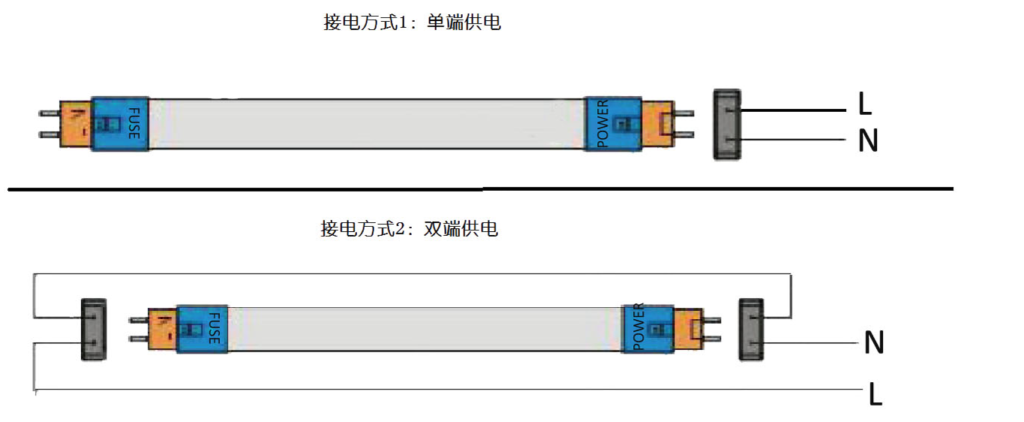
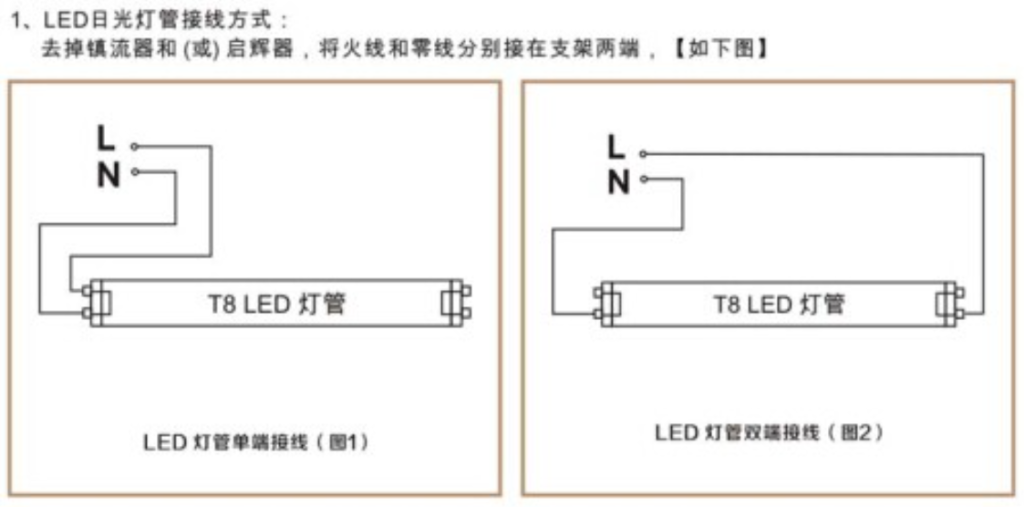
The client’s original cold cabinet lampholders adopt legacy double-ended wiring, yet the purchased generic tubes are single-ended powered. This mismatched installation leaves both ends of the lampholder permanently live, creating circuit conflicts with single-ended tube topology. Abnormal spurious noise current arises, further amplifying leakage current and ultimately causing consistent RCD tripping under full load, drastically aggravating equipment malfunctions.
Moreover, such low-cost tubes generally suffer from vague marking, ambiguous parameter labeling, and absence of formal after-sales support. Users are highly prone to compatibility errors, with no responsible party to settle faults post-purchase – posing major hidden risks for commercial lighting retrofits.
3. Laidishine Customized Lighting Solution
Targeting the industry pain points exposed in this failure – safety hazards of low-grade lighting products, wiring compatibility challenges, and leakage-induced circuit tripping – Laidishine leverages mature R&D and manufacturing experience of T8 tubes to deliver high-compatibility, high-safety, and high-durability luminaire replacement solutions, fundamentally eliminating similar failures.
Considering the client’s cost control requirements, we recommended the Laidishine T8LOC Series tubes for this project, balancing cost-effectiveness and core performance. Adopting an all-plastic housing structure, it eliminates risks of housing leakage. Featuring high luminous efficacy and low power consumption, it achieves IP65 ingress protection, adapting to humid and low-temperature operating conditions inside cold cabinets. Its rated service life reaches 40,000 hours, greatly lowering long-term maintenance and replacement expenditure.
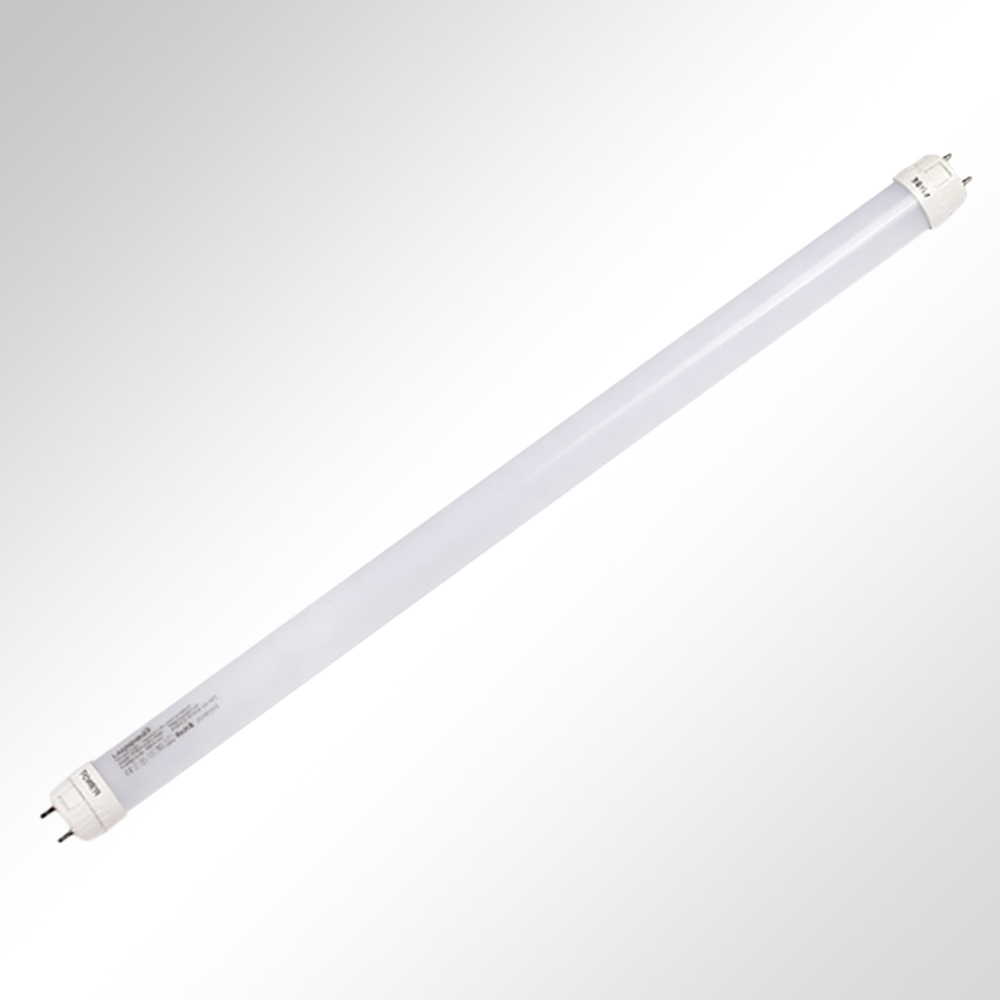
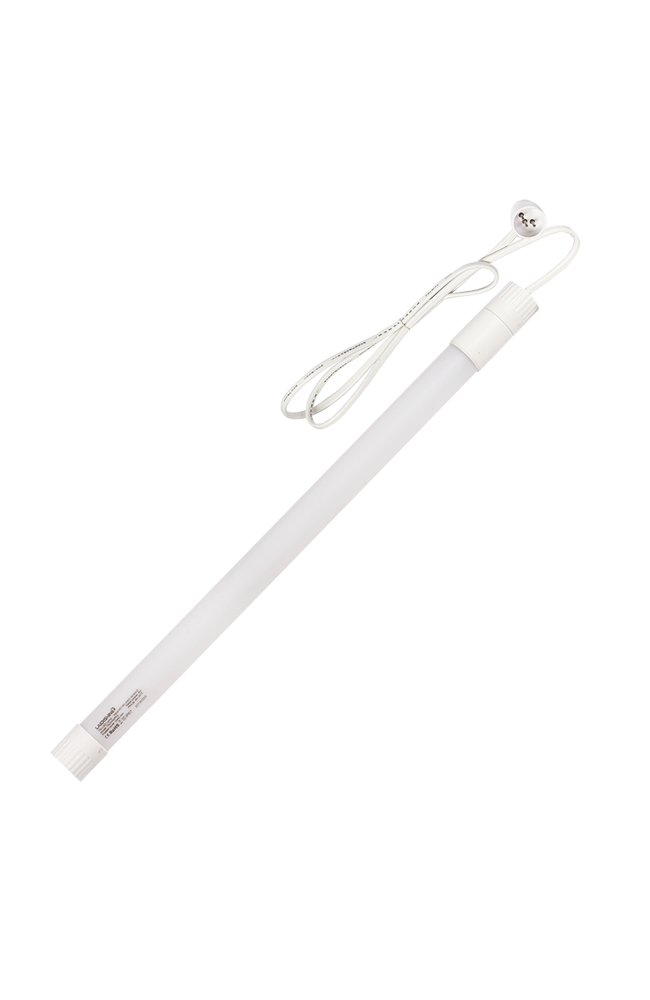
Additionally, our self-developed T8J Series breaks traditional industry craftsmanship with an innovative integrated cable connector design. It abandons the single power supply mode of conventional G13 lampholders and upgrades ingress protection from IP65 to IP67. It thoroughly resolves legacy lampholder compatibility conflicts, poor contact, water ingress and leakage issues, fitting a wide range of commercial equipment retrofits with far superior electrical stability and safety compared to generic off-brand alternatives.
This incident fully illustrates that commercial lighting retrofits should never prioritize low prices blindly. Cost-cutting circuits and non-compliant electrical design in inferior tubes, compounded by common wiring mistakes mixing single-ended and double-ended power supply, can easily trigger leakage tripping, circuit overload and other safety hazards. These failures disrupt normal equipment operation and introduce serious electrical risks. Only selecting certified luminaires from reputable brands tailored to working conditions can fundamentally avoid malfunctions, reduce operational costs and guarantee stable long-term equipment operation.