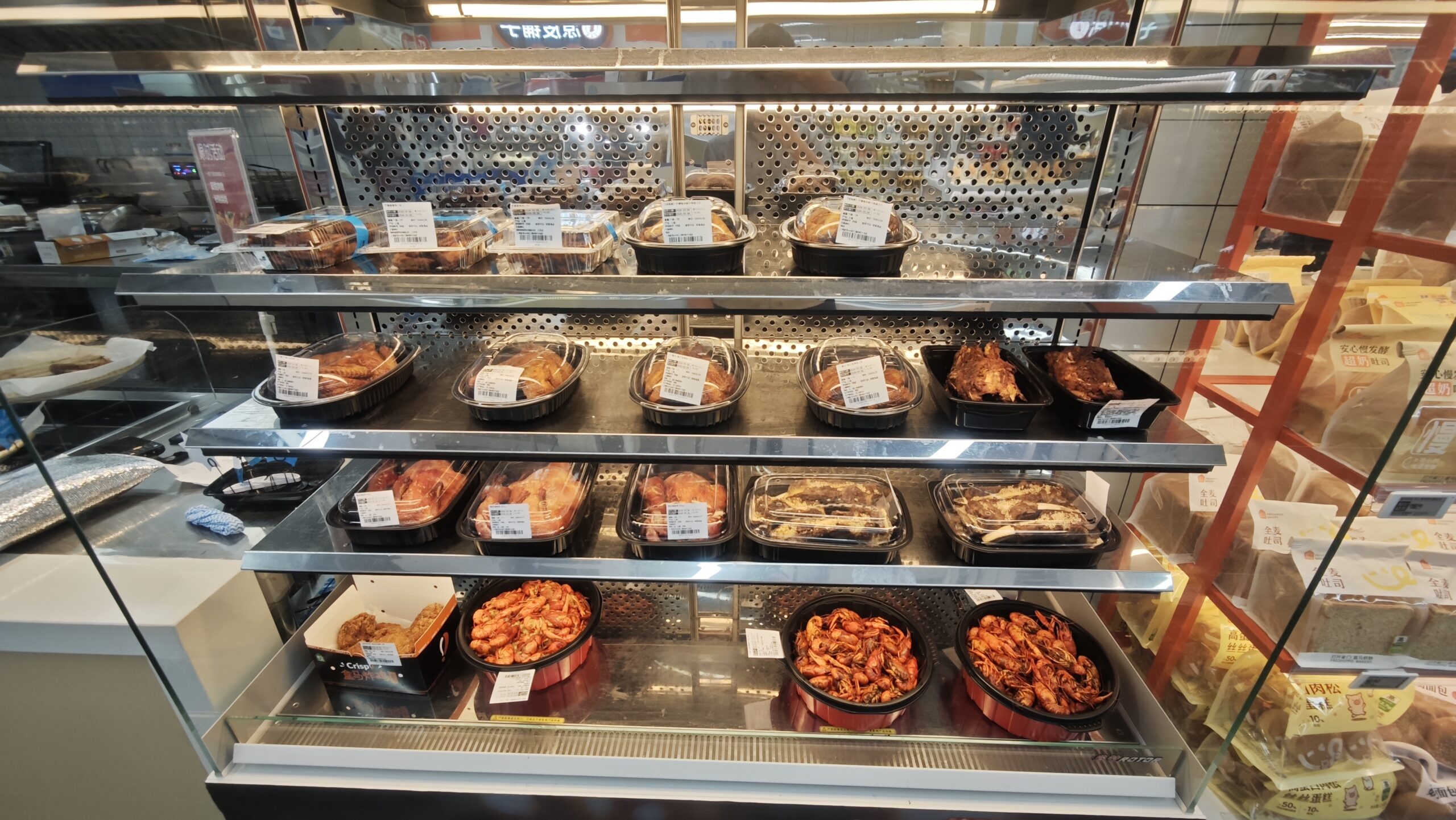
Recently, we received a customer report concerning a hot cabinet light. After the cabinet had been assembled and electrical testing was completed, the customer found that one section of the LED light installed inside the cabinet was not working, while the other sections remained functional.
After resolving the issue, we began to look more closely at the possible relationship between Hi-Pot testing and LED cabinet lighting.
A Hi-Pot Test, also known as a High Potential Test or Dielectric Withstand Test, is an important electrical safety test. However, whether it can affect an LED light depends on several factors, including the test method, test voltage, whether the light is connected to the test circuit, and the electrical isolation between the LED light and the metal cabinet.
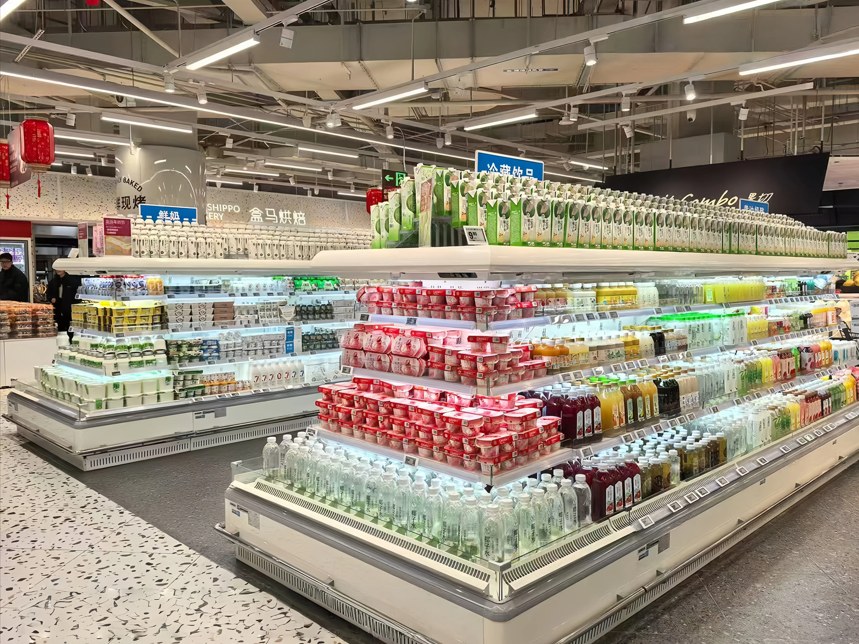
Although this case involved a hot cabinet, similar situations may also occur in refrigerated display cabinets, freezer cabinets, beverage coolers, and other commercial display equipment. The following analysis is based on this specific hot cabinet and LED lighting case and is intended for reference only.

Q1. What Is a Hi-Pot Test?
A Hi-Pot Test, short for High Potential Test, is also known as a Dielectric Withstand Test. Unlike a functional test, which checks whether equipment operates normally, a Hi-Pot Test is primarily used to verify the electrical insulation performance of equipment.
During the test, a voltage higher than the normal operating voltage is applied between specified electrical parts and accessible conductive parts according to the applicable testing requirements. The purpose is to determine whether the insulation system can withstand the specified voltage without breakdown, flashover, or leakage current exceeding the permitted limit. In simple terms, a Hi-Pot Test verifies whether the electrical circuits inside a device remain reliably insulated from metal parts that users may touch. For commercial equipment containing both electrical systems and metal structures, this is an important safety test.
Q2. Why Do Commercial Display Cabinets Need a Hi-Pot Test?
Commercial refrigerated display cabinets, freezers, hot cabinets, and similar equipment normally contain multiple electrical components, including power supplies, controllers, fans, sensors, wiring, connectors, and LED lighting systems. At the same time, these units often have metal housings or structural components. Under normal conditions, energized circuits should remain properly insulated from the metal cabinet. If insulation is damaged, wiring is incorrect, a component fails, or an installation problem creates an abnormal connection between an energized part and the cabinet, the cabinet may present an electrical safety risk.
One purpose of the Hi-Pot Test is therefore to verify the reliability of the equipment’s insulation system before the product leaves the factory. It is important to understand that a Hi-Pot Test is not simply a test of whether the “cabinet can withstand high voltage.” It is primarily an evaluation of the electrical insulation safety of the complete equipment.
Q3. Is a Hi-Pot Test Only Applied to the Cabinet?
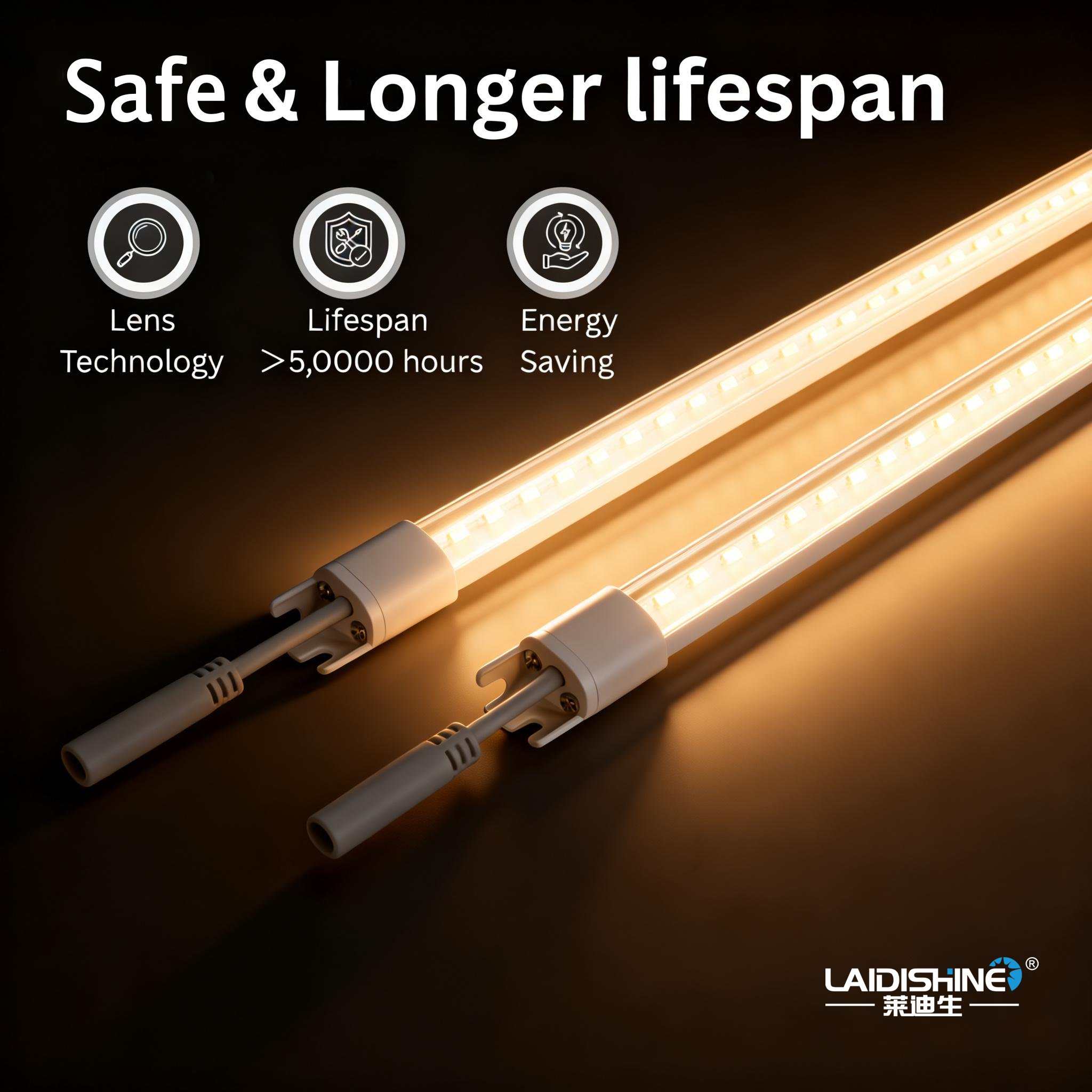
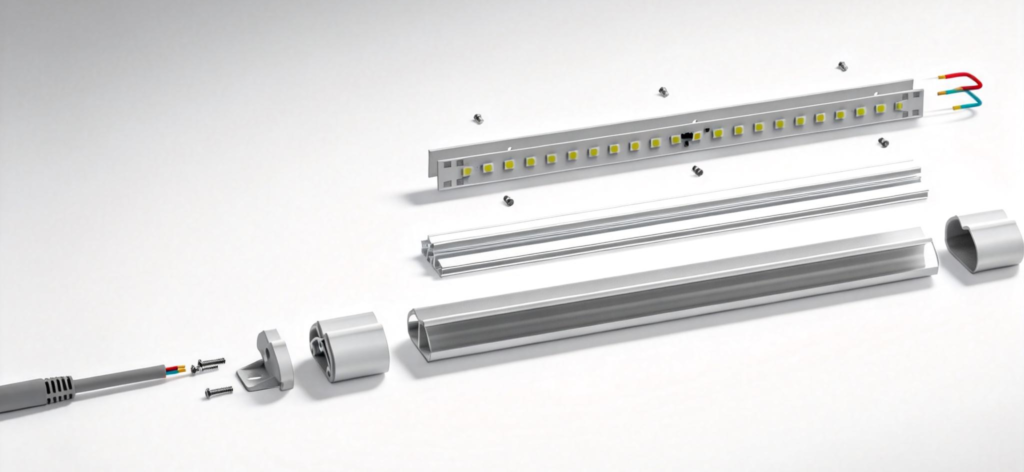
Not necessarily. A Hi-Pot Test is generally related to the electrical insulation system of the complete equipment, rather than simply testing a piece of metal sheet. A commercial hot or refrigerated display cabinet may contain many electrical components. In this case, the LED cabinet light consisted of an aluminum housing, PCB, LEDs, connecting wires, mounting brackets, and fixing screws. If the LED light remains electrically connected to the cabinet during the Hi-Pot Test, it may be affected by the test conditions in certain circumstances.
Therefore, before conducting a Hi-Pot Test, manufacturers should clearly define the test scope and disconnect electrical components that are not intended to be included in the test circuit. This is particularly important for LED lighting installed inside commercial display cabinets.
Q4. Can a Hi-Pot Test Damage an LED Light?
Under certain conditions, it is possible, but it is not an inevitable result.
The potential impact depends on several factors, including the test wiring configuration, test voltage and duration, whether the LED light remains connected to the test circuit, the electrical isolation between the cabinet and LED circuit, the LED light’s circuit and insulation design, and its actual installation method.
For example, a DC24V LED cabinet light using an appropriate isolated power supply may not directly experience the Hi-Pot Test voltage if its circuit remains properly isolated from the test circuit.
However, if a conductive path exists between the cabinet and the LED circuit, the LED light may unintentionally become exposed to the high-voltage test conditions, potentially resulting in damage.
Therefore, when investigating an LED lighting failure, we should not conclude that “the Hi-Pot Test definitely damaged the light” simply because the failure occurred after testing. The actual test conditions and the LED light itself need to be examined.
Q5. Why Can the Installation Structure Contribute to the Problem?
This was one of the key points we considered in this case. The LED light used by the customer had an aluminum housing and was fixed to the cabinet with mounting brackets and screws. The light also contained a PCB and other electrical components.
Under normal conditions, the conductive aluminum housing should remain properly insulated from the electrical circuits on the PCB. However, the mechanical installation structure also needs to be carefully considered.
For example, screws that are too long, screws positioned directly above PCB traces or solder joints, excessive pressure on the PCB against the aluminum housing, metal debris entering the light during installation, or other installation conditions could create an abnormal conductive path between the LED circuit and the metal cabinet.
Therefore, for aluminum-housed LED cabinet lights, mechanical installation and electrical insulation are closely related. It is not enough to consider whether the light can be securely fixed. Manufacturers should also verify whether the screws, brackets, aluminum profile, and PCB maintain proper electrical isolation after installation.
Q6. Why Would Only One Section of LEDs Stop Working?
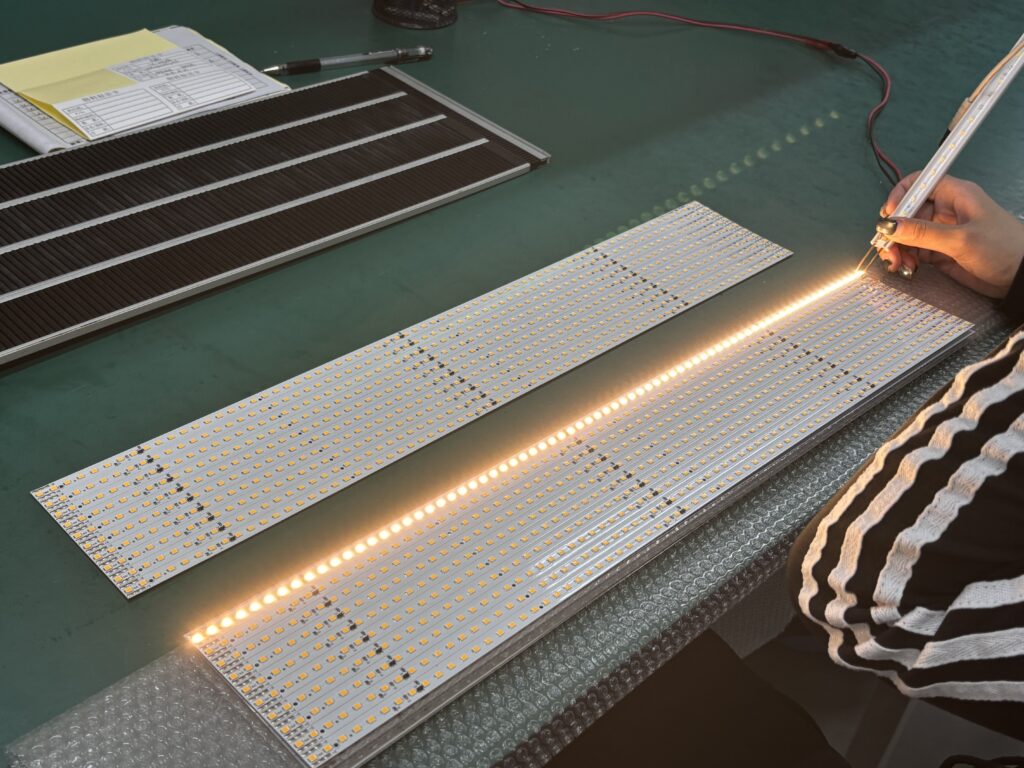
The customer also raised this question: if high voltage caused the damage, why did the entire LED light not fail? The answer may be related to the PCB structure. Some LED cabinet lights are not manufactured using a single PCB across the entire length. Instead, several PCB sections may be connected to form one complete light. If one PCB section is damaged while the other sections remain unaffected, only part of the LED light may stop working. The result can therefore be a localized section that remains unlit while the other sections continue to operate normally.
Q7. Does a Partially Unlit LED Light Prove That the Hi-Pot Test Caused the Failure?
No. A partially unlit LED cabinet light can have many possible causes, including electrical issues such as abnormal voltage, transient voltage, abnormal power output, driver failure, an open LED circuit, or PCB damage. Installation-related problems may also be involved, such as incorrect wiring, reversed polarity, hot-plugging, improper screw installation, PCB damage during installation, or unsuitable mounting accessories.
Mechanical factors, including PCB compression, cracked solder joints, screw-related damage, or impact during transportation or installation, should also be considered. Other possible causes include poor connector contact, loose wiring, defective components, moisture, condensation, or other environmental factors.
Therefore, before a complete failure analysis is completed, the Hi-Pot Test should be considered a possible cause rather than a confirmed conclusion.
Q8. How Can We Determine Whether an LED Failure Is Related to a Hi-Pot Test?
If an LED cabinet light fails after the cabinet has undergone a Hi-Pot Test, the first step is to confirm the test parameters, including the test voltage, test duration, and test scope. This helps determine whether the LED light could have been part of the test circuit. It is also necessary to check whether the LED light had already been installed during testing, whether it was connected to the cabinet, and whether its power supply was connected.
The installation structure should then be inspected, including screw length and position, bracket design, and the distance between the PCB and aluminum housing.
The failed section should also be tested separately. If the LED light uses multiple PCB sections, the normal and faulty sections can be tested independently to help determine whether the problem originated from the LED components, driver, circuit, or installation structure.
Q9. How Can Similar Problems Be Prevented?
The most important step is to treat the LED lighting system as part of the cabinet’s overall electrical system rather than as a completely independent component. Before conducting a Hi-Pot Test, manufacturers should confirm, according to the specific test procedure and LED light design, whether the LED lighting system needs to be disconnected. A DC24V LED light should not automatically be considered unaffected simply because its normal operating voltage is 24V. Its relationship with the cabinet’s electrical system and the Hi-Pot Test circuit must also be considered.
The mechanical installation and electrical isolation of the LED light should also be checked carefully. After the Hi-Pot Test is completed and the LED lighting is reconnected, a complete lighting test is recommended. Before moving to the next production stage, manufacturers should confirm that all LED sections operate normally, there is no flickering or localized dark area, connectors have good contact, and the power supply output is normal.
Conclusion
Only by combining the cabinet’s test conditions with the inspection results of the failed LED light can the root cause be identified more accurately.
For commercial display cabinets, refrigerated display cases, and hot cabinets, reliable lighting is not simply about using high-quality LEDs or achieving good optical performance. A reliable cabinet lighting solution should also consider how the light works together with the cabinet structure, electrical system, and actual manufacturing and installation process.
This is why we believe that good cabinet lighting should not only perform well on a specification sheet, but also withstand real production and installation conditions.