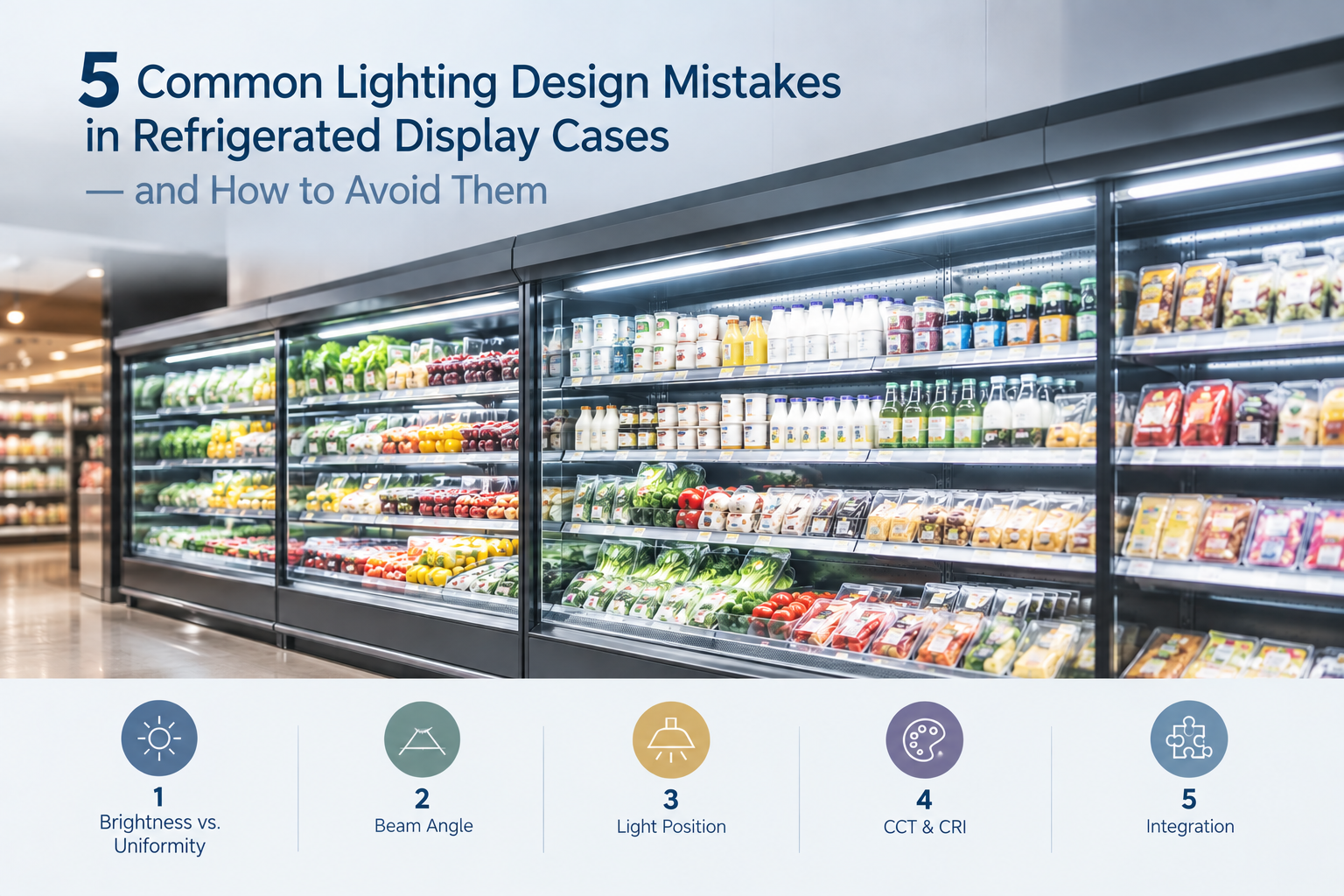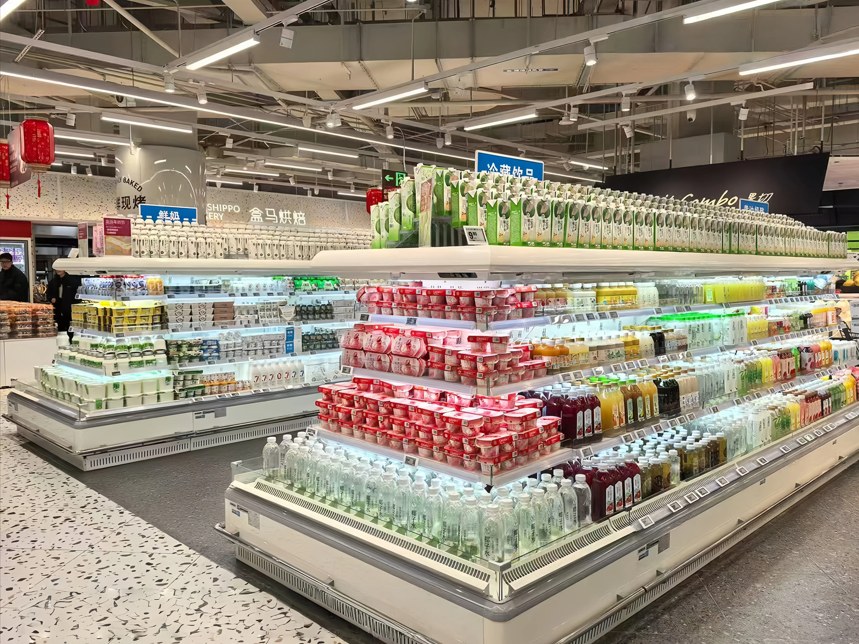
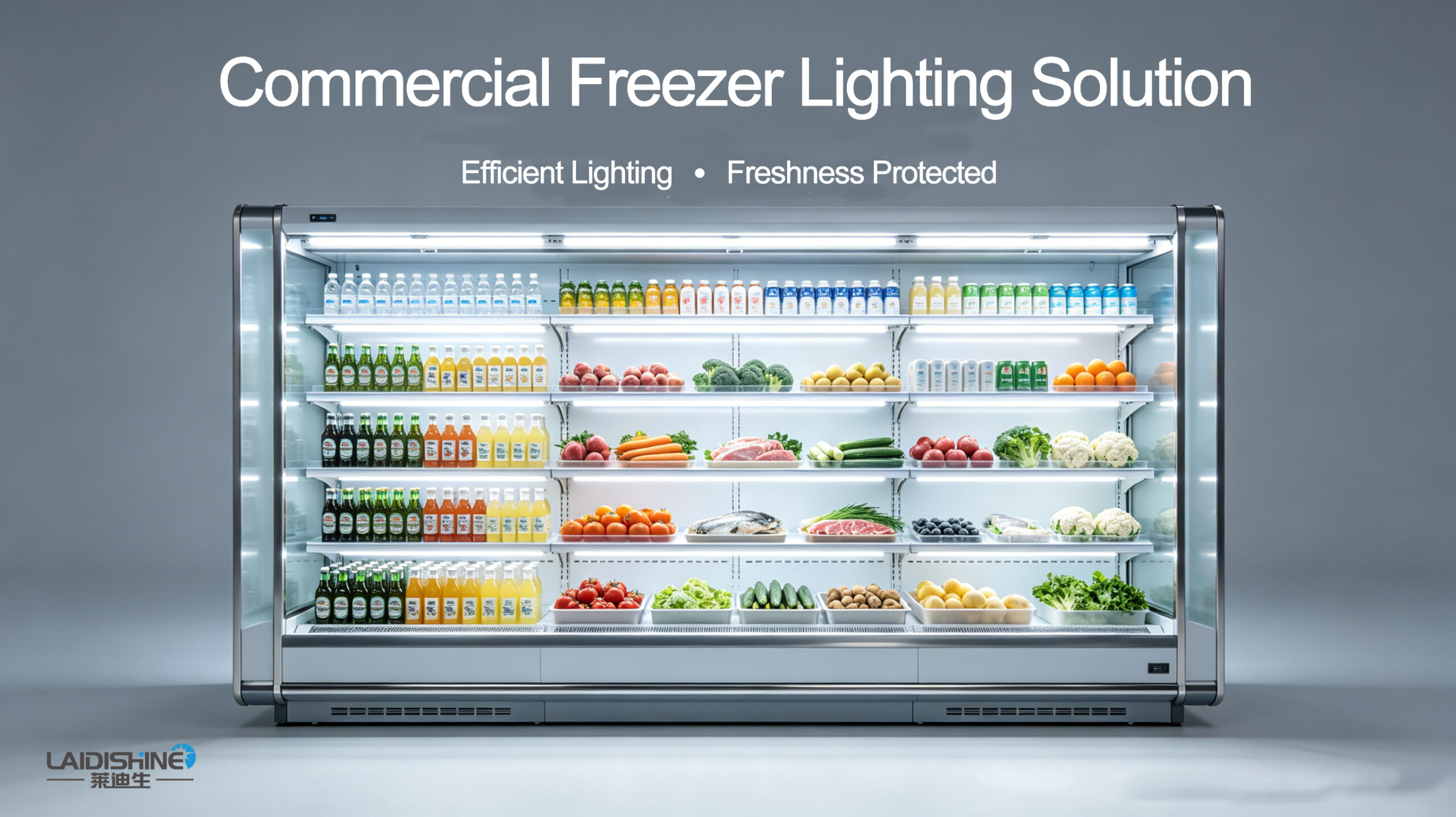
Most shoppers seldom pay special attention to the lighting inside supermarket display cabinets.
Yet this overlooked detail quietly shapes customers’ purchasing decisions.
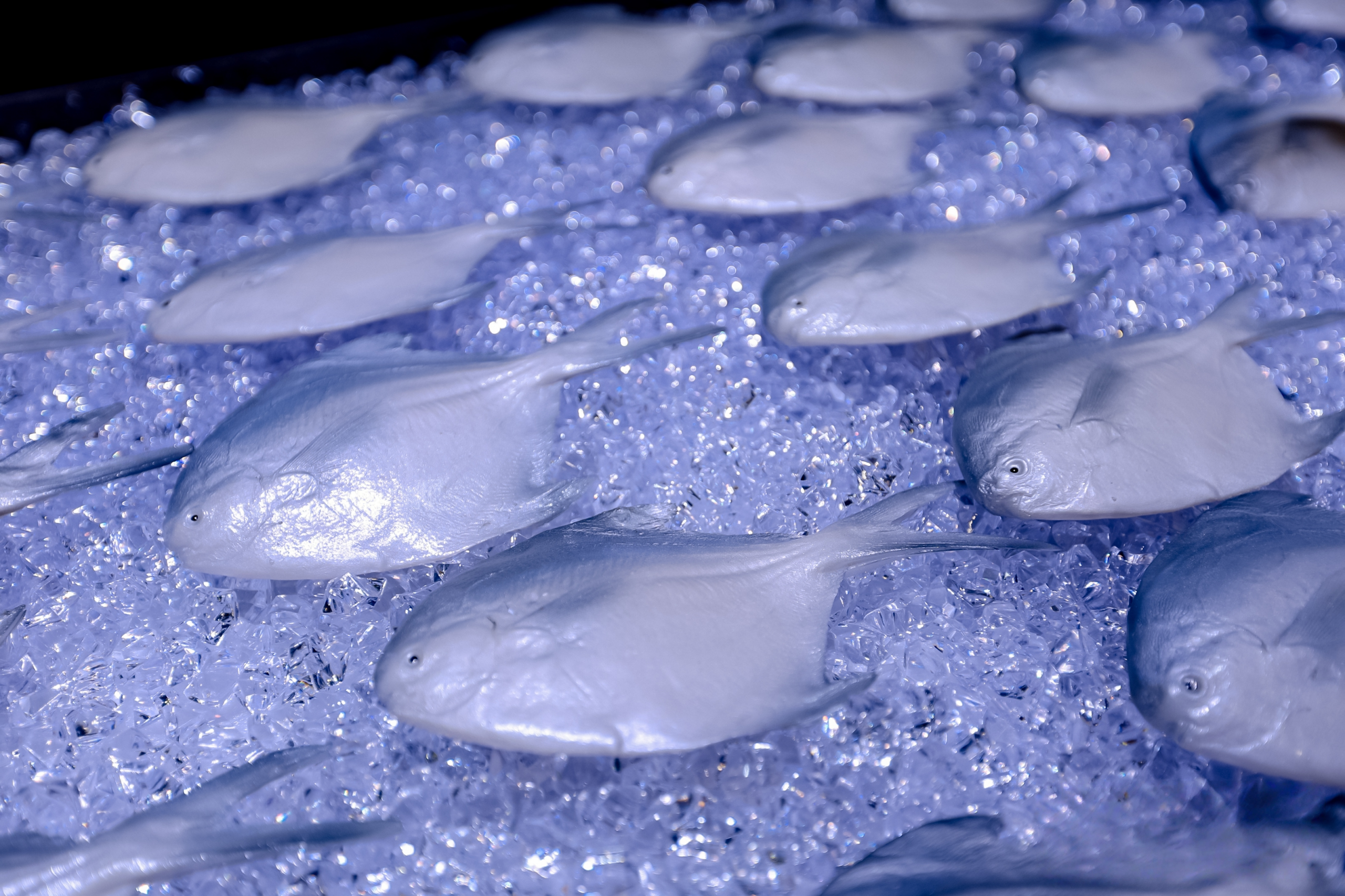
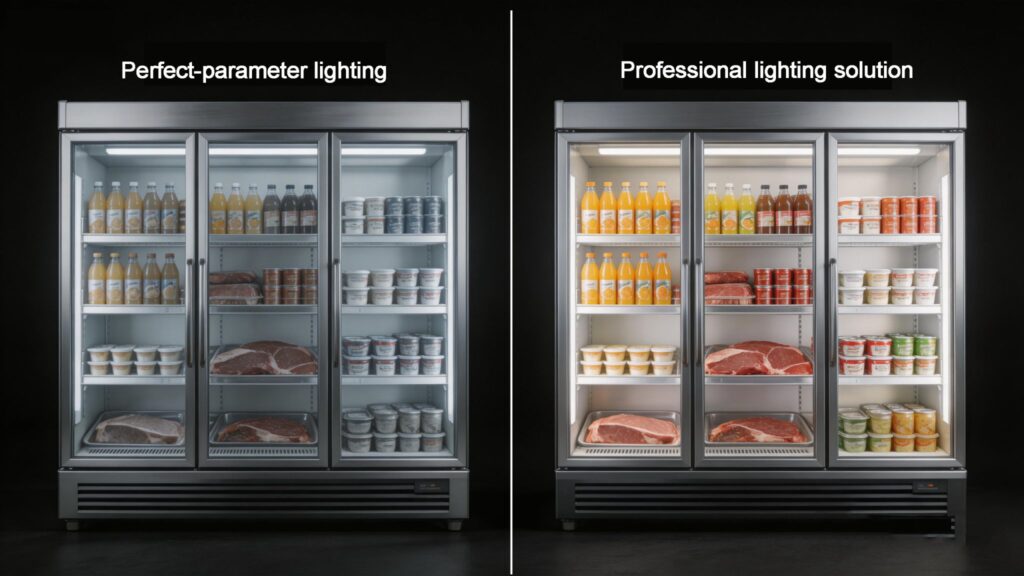
The same food product can look drastically different under varied lighting. Proper lighting makes ingredients look fresh and appealing to trigger purchase desire. By contrast, dim or heavily color‑shifted lighting will make even high‑quality meat, vegetables and frozen goods appear dull, aged, and cheap, discouraging customers from buying.
Conversely, a well‑matched cabinet lighting solution can restore the true texture of food to help customers instantly perceive freshness. Without tedious comparison, shoppers are more likely to make impulse purchases.
However, many store operators hold a common misconception: one universal lighting setup works for all display cabinets in‑store.
In fact, without differentiated tuning of color temperature, color rendering and illuminance, even premium merchandise cannot show its best value, wasting the inherent advantages of your products.
I. Why One‑size‑fits‑all Lighting Does Not Work for Display Cabinets
Different product categories have distinct lighting requirements.
Meat lighting needs to reproduce blood tones and muscle texture; fruit and vegetable lighting should highlight natural vivid hues; for dairy and bottled beverages, priority goes to restoring the original printed colors on packaging.
Mismatched lighting delivers poor results. Warm lighting designed for cooked food will turn green leafy vegetables yellow and wilted‑looking. Cool white light applied to fresh meat makes flesh look grey and lifeless.
Commercial cabinet lighting is far more than simply illuminating cabinets. It builds consumers’ first impression of freshness. Improper light sources distort the true appearance of food, leave negative perceptions and drive away potential buyers.
Therefore, the core principle of cold‑chain lighting is straightforward: implement zone‑specific lighting by product category to create exclusive visual focal points.
II. Lighting Matching Logic for Different Cabinets — Do Not Obsess Over Parameters Only
When selecting cabinet LED lights, do not focus merely on figures such as color temperature and brightness. Prioritize real‑world scenario demands: whether you need to accentuate food texture, restore packaging appearance, or ensure stable performance under harsh low‑temperature conditions. Priorities vary across applications.
1. Fresh Meat & Deli Cabinets: High Color Rendering for Strong Appetite Appeal
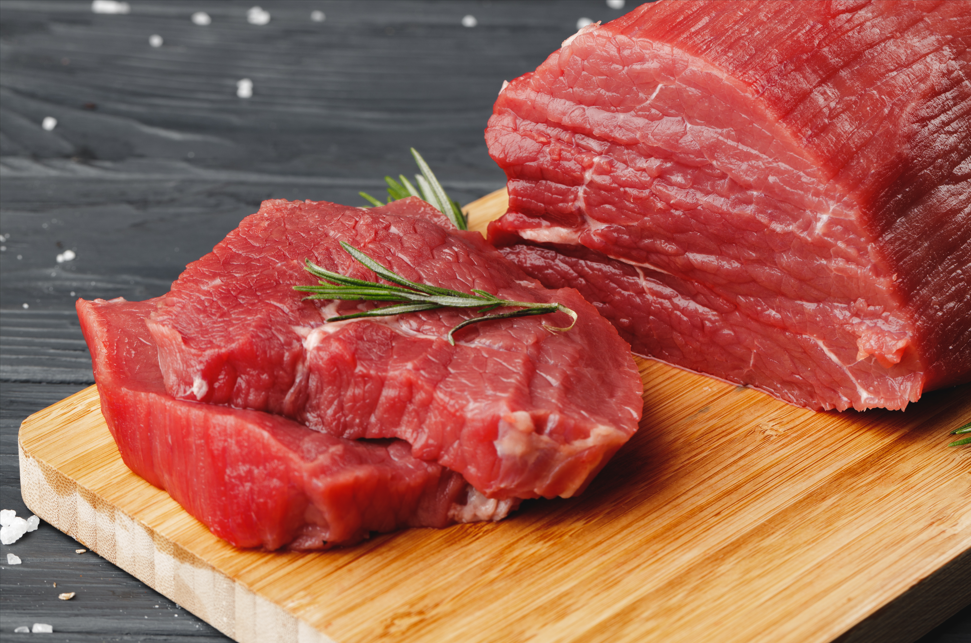
The key selling points of fresh meat and deli food lie in freshness, glossy surfaces and full muscle texture.
Many assume warm light with added red output is sufficient, which is not the case. Warm light with low color rendering only produces an artificial yellow tint. It fails to reproduce authentic meat tones and results in muddy, unappealing visuals.
High‑CRI warm‑toned LED lights specially designed for display cabinets are ideal for this scenario. With complete spectrum output, they accurately restore the bloody texture of raw meat and the glossy finish of cooked food. Customers can recognize premium quality directly through the cabinet glass. Bear in mind: color rendering matters far more than sheer brightness.
2. Fruit, Vegetable & Ready‑to‑eat Salad Cabinets: Neutral White Light for Natural True‑to‑life Colors
The appeal of produce comes from vibrant, multi‑colored freshness: emerald green leafy greens, rich berry shades and translucent melons all boost sales.
Excessively warm color temperature casts a yellow overlay and makes produce look dull and wilted.
Neutral white light around 4000K with high color rendering performs optimally. It faithfully reproduces natural colors of fruits and vegetables, eliminates color‑shift‑induced stale visuals and preserves the fresh‑picked look of fresh produce.
3. Dairy & Bottled Beverage Cabinets: Even Light Output with Anti‑glare for Easy Label Reading
Milk, yogurt and bottled drinks are mostly packaged goods, requiring no stylized color enhancement for raw ingredients.
Core lighting requirements for these cabinets: uniform and soft illumination, minimized reflection and glare on glass doors, enabling customers to quickly read labels and brand information for effortless selection.
Over‑high illuminance should be avoided. Excessive brightness causes severe glass reflection, obscures text and hinders the shopping experience.
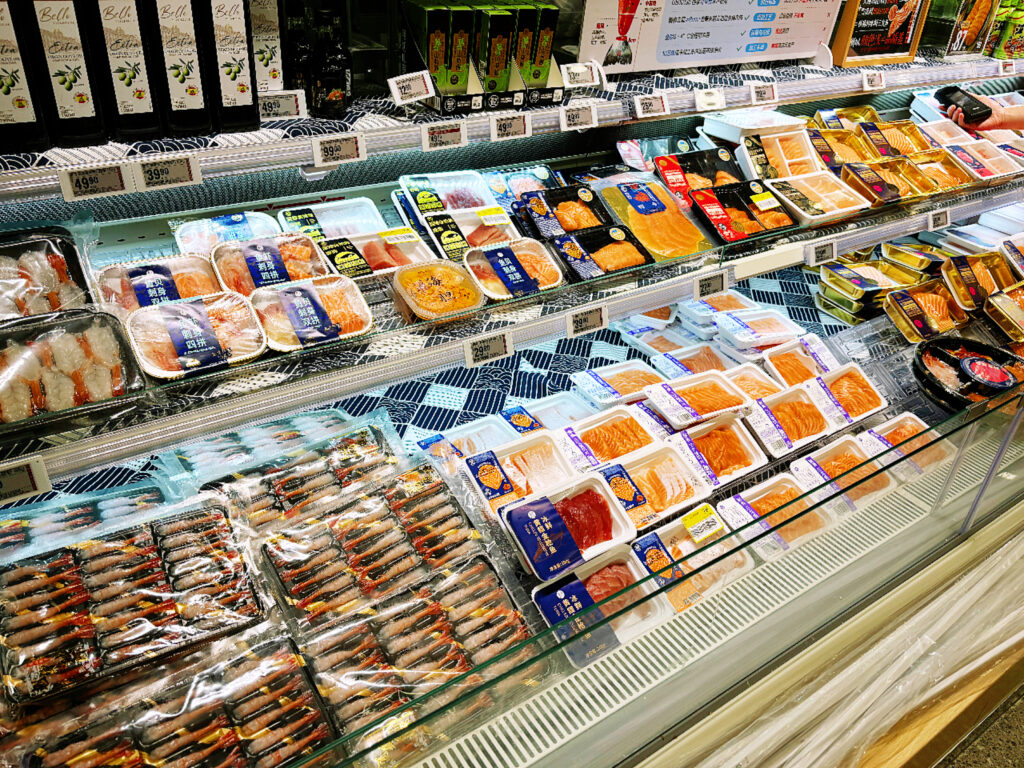
4. Deep Freezer Cabinets (-18℃ ~ -25℃): Reliable Performance Comes First
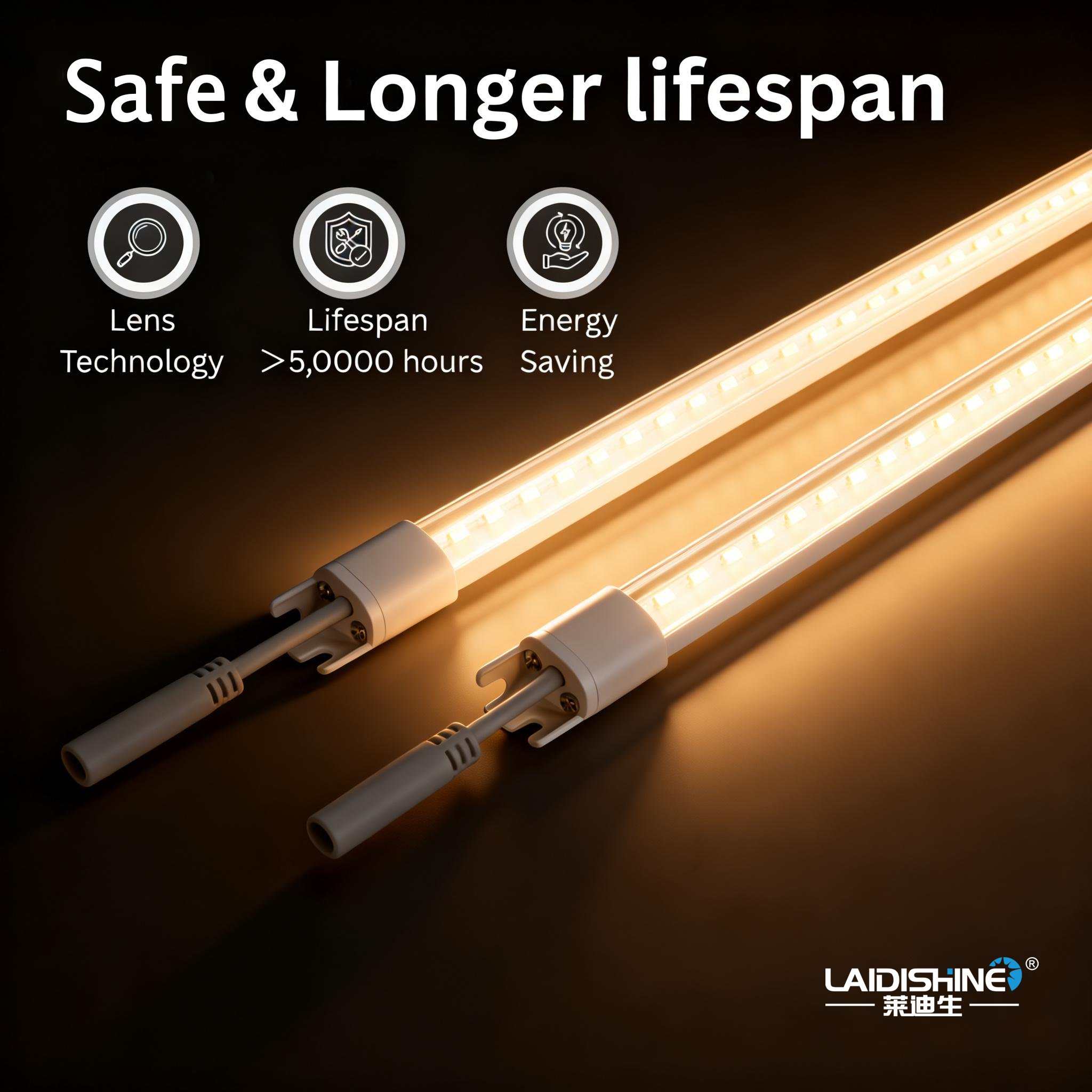
Deep freezers represent the harshest working environment among all cold‑chain applications. Persistent sub‑zero temperatures together with frequent frost and condensation place heavy stress on lamp drivers, enclosure protection and the low‑temperature resistance of electronic components. Visual presentation takes secondary priority here. Select dedicated LED fixtures with IP65 high ingress protection rated for extreme cold conditions. Stable, fault‑free operation is the prerequisite before considering merchandise display effects.
III. Two Common Pitfalls in Display Cabinet Lighting Procurement
Misconception 1: Higher Brightness Equals Better Display Performance
Many buyers ask first whether lights are bright enough. For supermarket merchandising, brightness is only a basic requirement. Color rendering determines how appealing your products appear. Even ultra‑bright lights with low CRI and incomplete spectrum cause severe color distortion: meat looks dark and produce lifeless. Excessive brightness also triggers harsh glare and heavy glass‑door reflection, impairing customers’ product viewing experience. Superior merchandising results always come from balanced collaboration of brightness, color rendering and color temperature.
Misconception 2: Focus Only on Upfront Purchase Price While Ignoring Total Cost of Ownership (TCO)
Some purchasers prioritize low initial cost and choose generic budget‑grade lights, overlooking total cost of ownership (TCO). Budget lamps cannot withstand cold, wet and condensation‑prone cabinet environments, leading to drastically shortened service life. Additional hidden costs accumulate: frequent lamp replacement, on‑site maintenance labor, product spoilage from equipment downtime, and degraded store image caused by faulty lighting. Professional cold‑chain‑specific LED lights carry slightly higher upfront costs, yet they pass rigorous tests for low temperature, condensation and vibration. They deliver low failure rates and longer replacement cycles. In the long run, they cut substantial operation and maintenance costs and achieve better overall cost‑effectiveness.
The core value of display cabinet lighting extends beyond simple product illumination.
It acts as an invisible visual merchandising tool to capture shoppers’ attention. A professional cabinet lighting solution achieves two major objectives:
- For commercial performance: science‑backed zoned lighting restores food freshness, stimulates consumption and lifts end‑user sales.
- For operational efficiency: hardware engineered for harsh cold‑chain conditions reduces equipment failures, maintenance frequency and goods spoilage to ease store operation burdens.
Laidishine has specialized in commercial display‑cabinet LED lighting for over a decade. We offer mature lighting solutions covering multi‑shelf display cabinets, glass‑door freezers, dedicated fresh‑meat and deli cabinets, balancing premium merchandising visuals and reliable low‑temperature operation. Sample testing and OEM/ODM customization are available. Feel free to contact us for tailored solutions for your projects.