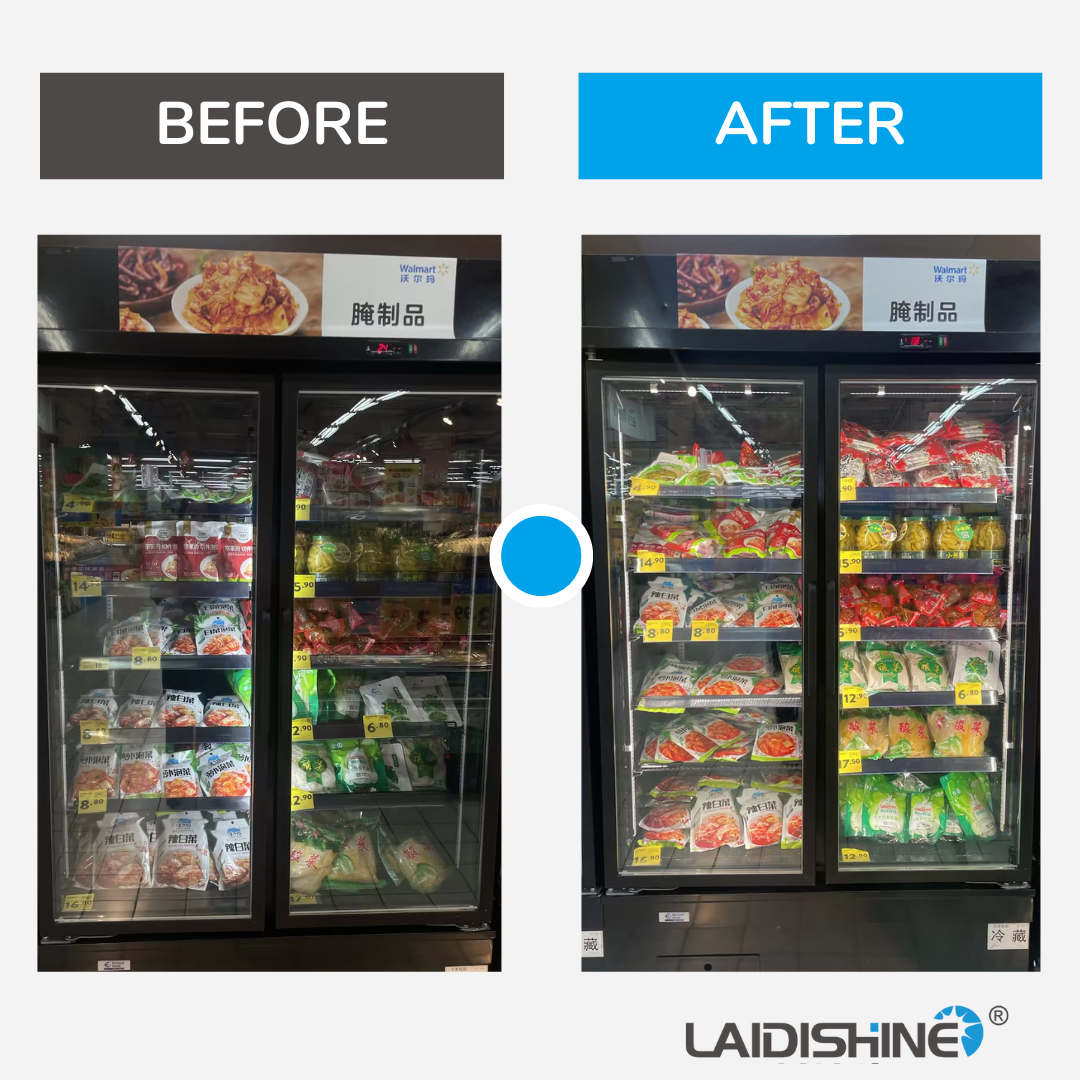
The Role of Light Distribution in Refrigeration
Great lighting is not just about illumination — it’s about precision, intelligent design and efficiency.
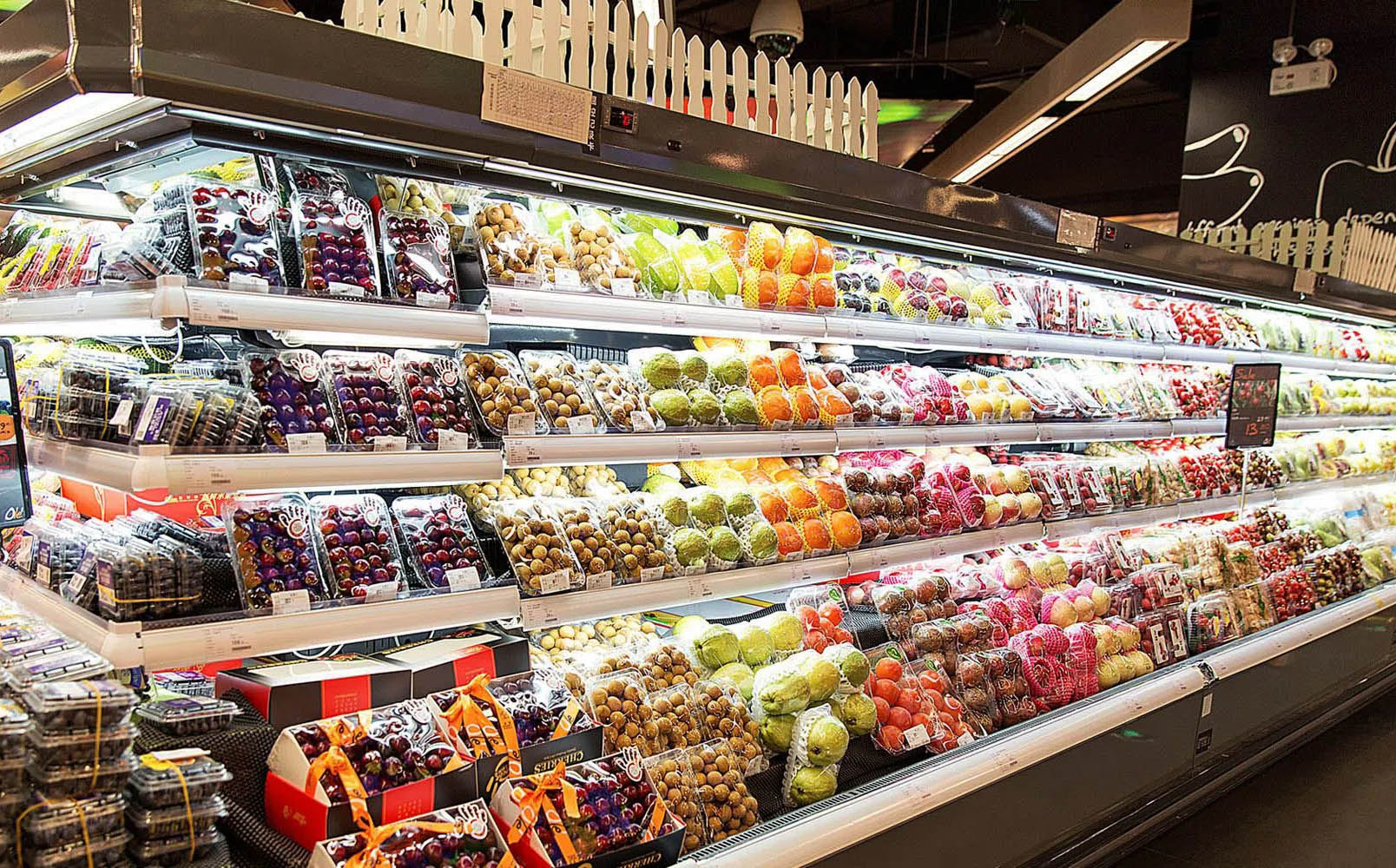
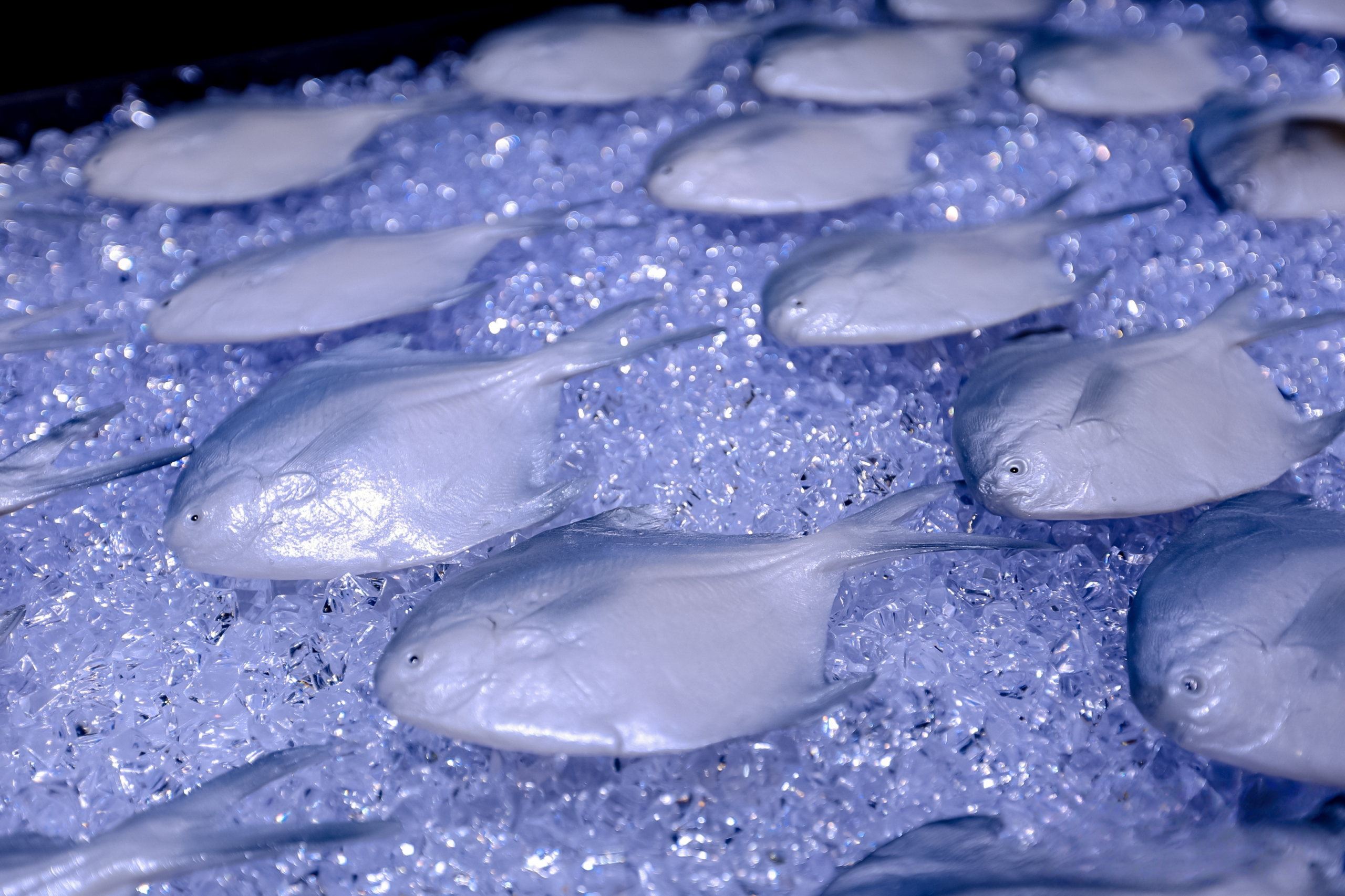
In commercial refrigeration, lighting plays an important role in how products are presented and how efficiently a refrigerated display operates. Whether it is a vertical glass-door cabinet in a supermarket, an open multideck display or an island freezer, the goal is not simply to make the interior brighter. It is to ensure that products are clearly visible, colours appear natural, and light reaches the areas where it can make the greatest difference.
Achieving this requires more than choosing an LED with high luminous efficacy. It starts with understanding how light behaves within a refrigerated display and how optical design can turn the output of a light source into useful illumination.
Why Light Distribution Matters
Not all light contributes equally to the final result.
When a lighting system is poorly matched to its application, some light may be directed towards areas where it provides little practical benefit. It may escape through gaps, fall onto cabinet structures, or create uneven brightness across the display. Simply increasing the power of the light source may improve overall brightness, but it does not necessarily solve the underlying problem.
A more effective approach is to consider where the light needs to go from the beginning.
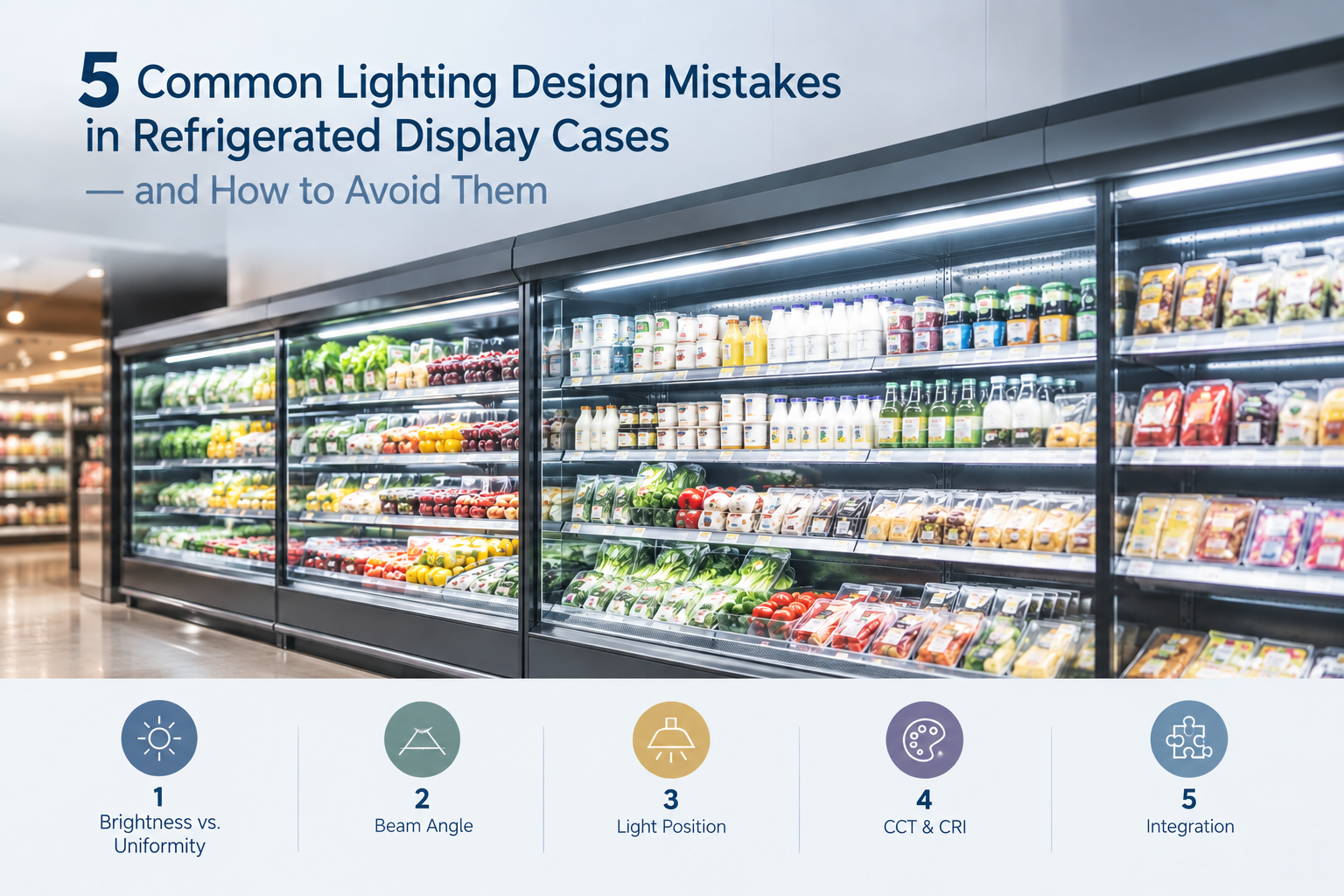
In a vertical refrigerated cabinet, for example, products on different shelves should be clearly visible without excessive brightness in one area and insufficient illumination in another. In an island freezer, the lighting needs to work with the cabinet’s geometry to provide suitable illumination across the product display. Each application presents different challenges, and the lighting design should reflect those differences.
By directing light more precisely, a well-designed system can reduce unnecessary light loss and make better use of the energy consumed.
Optical Design: Turning Light Output into Useful Illumination
The performance of a refrigeration lighting system depends not only on the LED itself, but also on how the light is controlled after it leaves the source.
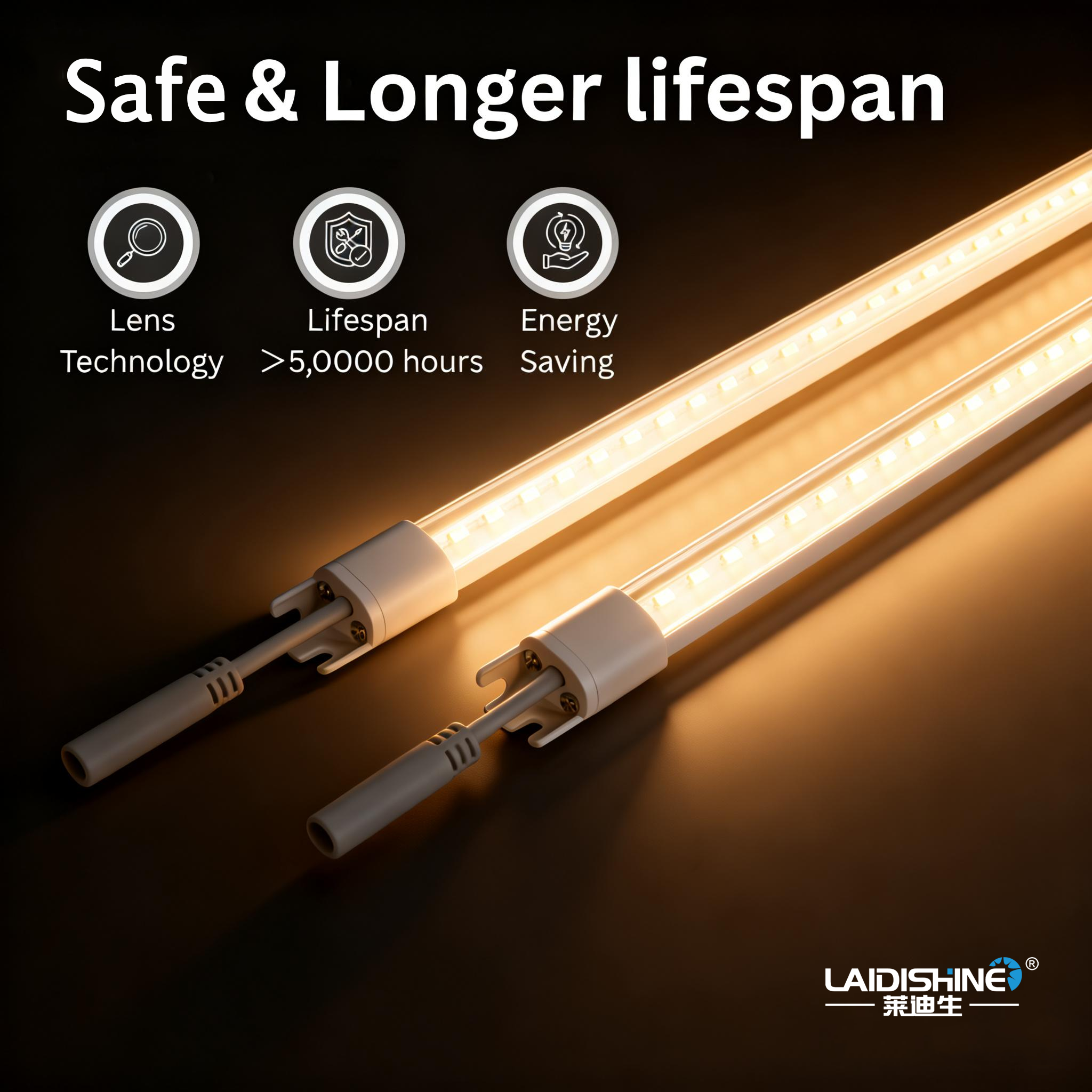
Optical systems and lens technology help determine the direction, distribution and coverage of the emitted light. The choice of lens, its geometry and its relationship with the LED all influence the final lighting effect.
For instance, a lens designed for vertical cabinet lighting may help distribute light along the height of a display, while a different optical design may be more suitable for illuminating products across a wider area. The objective is to match the light distribution to the actual installation rather than relying on a one-size-fits-all solution.
This is particularly important in refrigerated displays, where cabinet dimensions, shelf arrangements, mounting positions and viewing angles can vary considerably.
A carefully engineered optical system helps bring these factors together. Instead of treating the light source as an isolated component, it considers how the complete lighting assembly will perform within the cabinet.
The result is a more application-oriented approach to lighting design, where optical performance is evaluated in terms of the illumination it delivers to the products, not simply the amount of light produced by the LED.
Balancing Energy Efficiency and Lighting Quality
Energy efficiency is often associated with higher luminous efficacy — producing more lumens per watt. This is an important factor, but it does not tell the whole story.
A lighting system can produce a high lumen output and still perform poorly if much of its light does not reach the intended area. Conversely, a well-designed optical system can make better use of the available output by directing light where it is needed.
This is why the relationship between LED performance and optical design deserves careful attention.
The objective is not simply to reduce power consumption at any cost. It is to achieve the required lighting effect with an appropriate level of energy input, while maintaining good visibility and a consistent presentation of products.
In practical terms, this means considering several factors together:
- LED performance: Selecting a suitable light source for the required output, colour appearance and operating conditions.
- Optical efficiency: Using an appropriate lens and optical structure to control light distribution and minimise avoidable losses.
- Installation position: Placing the lighting where it can illuminate the display effectively.
- Application requirements: Matching the lighting concept to the cabinet type, dimensions and intended use.
- Overall lighting quality: Maintaining suitable brightness, uniformity and product visibility without unnecessary over-illumination.
When these elements are considered as part of one design process, energy efficiency becomes a result of the complete system rather than a specification considered in isolation.
One Lighting Concept Does Not Fit Every Refrigerated Display
Commercial refrigeration covers a wide range of applications, from chilled food cabinets to frozen displays and specialised refrigerated equipment. Their lighting requirements are not identical.
A vertical glass-door cabinet may require controlled light distribution along the full height of the display. An open multideck cabinet may need balanced illumination across several shelves, while an island freezer may call for a different optical approach to accommodate its structure and viewing angles.
The surrounding environment also matters. Reflections from glass, the colours of displayed products, mounting limitations and the available space for lighting components can all influence the final design.
For this reason, effective refrigeration lighting begins with the application itself.
Understanding the cabinet structure and the customer’s requirements allows lighting engineers to select or develop a more appropriate combination of light source, lens and mounting arrangement. In some projects, a standard lighting solution may be sufficient. In others, adjustments to optical design, dimensions or output may be necessary to achieve the desired result.
This flexibility is especially valuable for refrigeration manufacturers looking to balance visual performance, energy consumption, installation requirements and product consistency across different cabinet models.
Efficiency Starts with the Complete System
The real value of optical engineering becomes clear when lighting is evaluated as part of the complete refrigerated display.
Rather than focusing on a single specification, a well-considered lighting solution brings together LED performance, optical design, mechanical integration and the actual requirements of the application.
This approach also supports more informed technical decisions. Instead of increasing wattage whenever illumination appears insufficient, engineers can first examine whether the light distribution, lens selection or installation position can be improved.
In some cases, a more suitable optical design may help achieve the required illumination without increasing electrical power. In others, it may improve uniformity or product visibility while allowing the lighting system to operate at a more appropriate output level.
The actual result depends on the cabinet design, the selected components and the operating conditions. What remains consistent is the principle: better lighting begins with making better use of the light available.
Laidishine: Engineering Light for Refrigeration Applications
At Laidishine, we believe that real efficiency starts with smart engineering.
With a focus on commercial refrigeration lighting, we develop LED lighting solutions around the practical requirements of refrigerated displays. Optical performance, light distribution, installation conditions and the intended visual effect are all important considerations in the design process.
We understand that refrigeration manufacturers need more than a light source that meets a lumen-per-watt target. They need lighting that works with the cabinet design, supports clear product presentation and delivers reliable performance in its intended application.
That is why we look beyond the LED itself. By combining appropriate optical design with application-specific lighting solutions, we aim to help our customers make more effective use of every light source.
For us, efficiency is not simply a matter of producing more light or consuming less power. It is about finding the right balance between illumination, optical performance and the practical demands of commercial refrigeration.
Because sustainable lighting is not just about using less energy — it is about using light intelligently.
Read more: Which one is more suitable for commercial freezers, shelf lights or vertical lights https://www.laidishine.com/which-one-is-more-suitable-for-commercial-freezers-shelf-lights-or-vertical-lights/