Chia sẻ trường hợp sau bán hàng của Laidishine
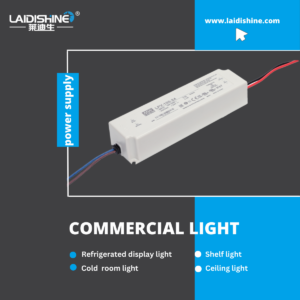
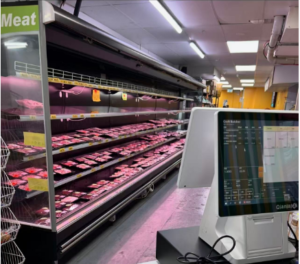
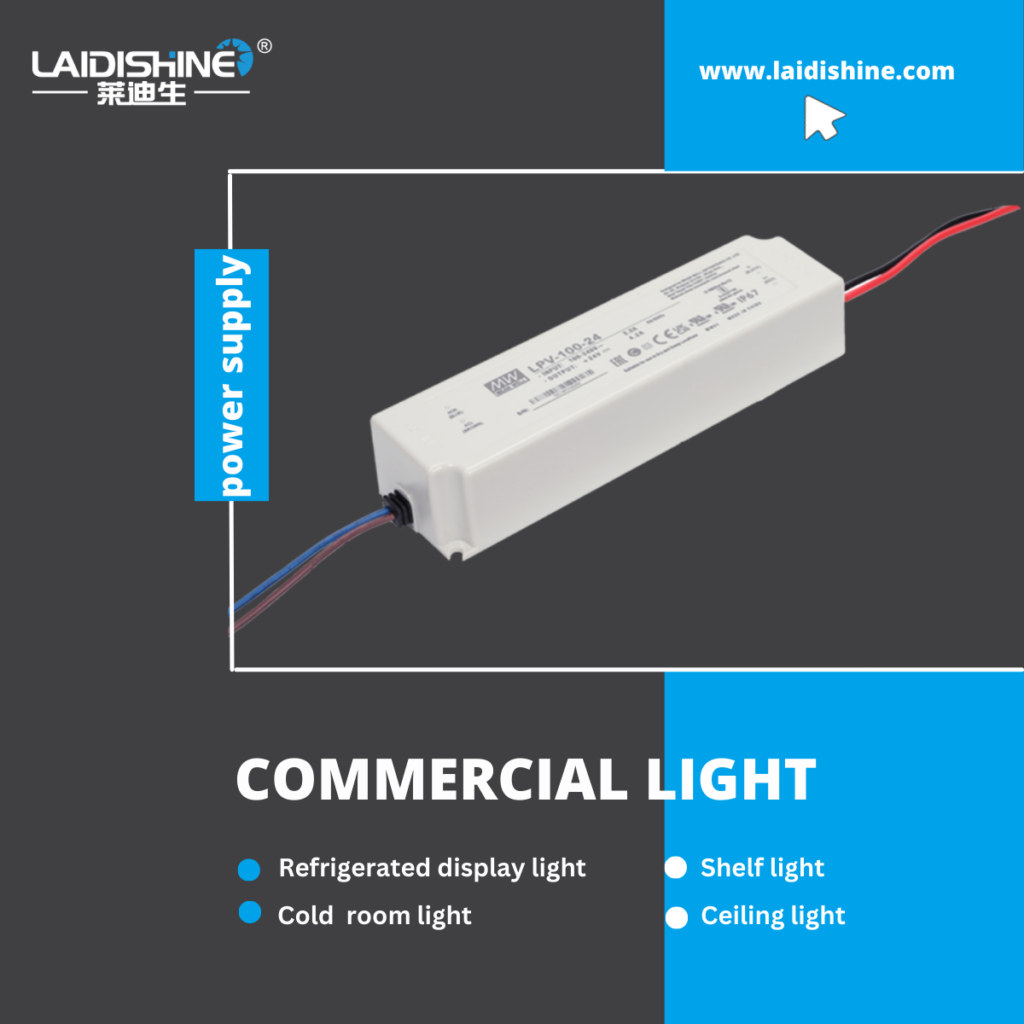
Trường hợp này bao gồm lỗi gặp phải với hệ thống chiếu sáng LED tích hợp vào tủ lạnh. Tổng công suất tải của bộ đèn hoàn chỉnh là 130W, được cung cấp bởi trình điều khiển điện áp không đổi 150W. Theo thông lệ phân phối điện tiêu chuẩn, công suất bộ điều khiển vượt quá tổng tải của đèn với khoảng không gian vừa đủ, phải đáp ứng đầy đủ các yêu cầu về nguồn điện cơ bản cho đèn điện LED.
Trong lần bật nguồn đầu tiên, tất cả các đèn đều sáng bình thường. Sau khi chạy được một thời gian, Tuy nhiên, đèn bắt đầu nhấp nháy và tắt theo chu kỳ khởi động-dừng lặp đi lặp lại. Hoạt động không ổn định làm gián đoạn nghiêm trọng việc chiếu sáng bình thường của các tủ lạnh.
Khắc phục sự cố nguyên nhân lỗi đèn điện
Việc tháo gỡ có mục tiêu và kiểm tra toàn diện đã được thực hiện để loại bỏ các nguyên nhân gốc rễ phổ biến và xác định chính xác vấn đề thực sự.
1. Kiểm tra bộ đèn: Không tìm thấy khuyết điểm trên từng đồ đạc
Toàn bộ hệ thống chiếu sáng đã được tháo rời, và mỗi bộ đèn được thử nghiệm riêng biệt ở nhiệt độ phòng xung quanh. Tất cả các thiết bị đều sáng đều và hoạt động ổn định, không nhấp nháy, bỏ học, hoặc suy giảm ánh sáng bất thường. Điều này loại trừ các chip LED bị hỏng, lỗi hệ thống dây điện, và tải bất thường của từng bộ đèn riêng lẻ.
2. Xác minh lợi nhuận: Phân phối điện tuân thủ các tiêu chuẩn ngành
Các hướng dẫn chung của ngành về lựa chọn trình điều khiển LED yêu cầu công suất đầu ra của trình điều khiển phải đạt ít nhất 120% tổng công suất tải LED, tức là, biên độ an toàn 20%. Trong dự án này, trình điều khiển 150W cấp nguồn cho tải đèn 130W, cung cấp đủ năng lượng. Nguyên nhân gốc rễ do quá tải và không đủ điện đã được loại bỏ.
3. Kiểm tra so sánh môi trường: Điều kiện hoạt động ở nhiệt độ cao được xác nhận là yếu tố kích hoạt
Các thử nghiệm môi trường độc lập đã được thực hiện trên trình điều khiển điện áp không đổi 150W. Khi vận hành ở nhiệt độ phòng bình thường với bộ đèn 130W ở mức đầy tải, người lái chạy liên tục và đáng tin cậy, không bị lỗi ngắt quãng.
Khi trình điều khiển tương tự được lắp vào vị trí ban đầu trên cụm tủ lạnh, lỗi tái diễn liên tục. Tủ lạnh tạo nhiệt liên tục trong quá trình hoạt động, tăng nhiệt độ môi trường xung quanh người lái xe. Nhiệt độ xung quanh tăng cao làm giảm hiệu suất của bộ điều khiển và gây ra hiện tượng bất thường về nguồn điện cho bộ đèn.
Phân tích nguyên nhân gốc rễ: Suy giảm hiệu suất của trình điều khiển điện áp không đổi trong điều kiện nhiệt độ môi trường cao
Trình điều khiển đèn LED có điện áp không đổi trong ứng dụng này có tính năng điều chỉnh dòng điện thích ứng theo điều kiện tải, cộng với tính năng ngắn mạch tích hợp, bảo vệ quá tải và quá áp. Với xếp hạng IP67, nó mang lại khả năng bảo vệ cơ bản mạnh mẽ và độ tin cậy cao trong điều kiện vận hành tiêu chuẩn.
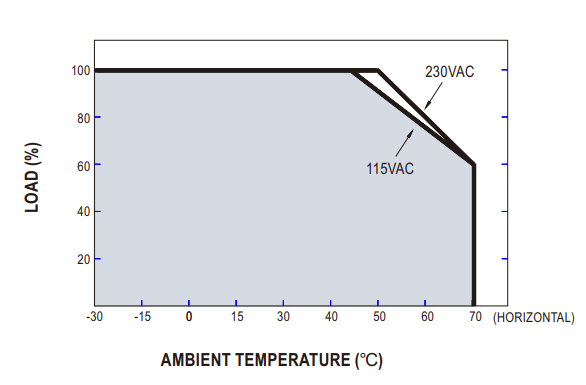
Tuy nhiên, hầu hết các trình điều khiển LED thông thường đều có chung một hạn chế: nhiệt độ môi trường xung quanh cao hơn làm giảm khả năng xử lý nguồn điện tổng thể và độ ổn định điều chỉnh điện áp. Linh kiện bên trong, bao gồm cả tụ điện, IC điều chỉnh điện áp và thiết bị nguồn, rất nhạy cảm với nhiệt độ. Nhiệt duy trì từ tủ lạnh làm giảm hiệu suất của linh kiện, gây ra biến động về điện áp và dòng điện đầu ra. Bộ điều khiển không còn có thể cung cấp đủ công suất ổn định cho tải đèn 130W.
Khi hiệu suất do nhiệt độ cao giảm làm giảm công suất đầu ra của trình điều khiển khả dụng, đèn tắt. Khi trình điều khiển nguội đi một chút, hiệu suất của nó phục hồi một phần và đèn bật lại. Điều này tạo ra triệu chứng đạp xe bật tắt được quan sát thấy. Đây là sự mất ổn định nguồn điện tiềm ẩn điển hình do sự xuống cấp của trình điều khiển do nhiệt độ cao gây ra, chứ không phải là lỗi sản xuất của chính trình điều khiển - nó xuất phát từ việc không thích ứng đủ với các điều kiện vận hành nhiệt thực tế.
Giải pháp & Khuyến nghị lựa chọn cho các lỗi tương tự
Dựa trên kết quả thử nghiệm hiện trường, Dưới đây là các biện pháp đối phó có chủ đích để giải quyết tình trạng đèn LED nhấp nháy không liên tục trong không gian kín hoặc điều kiện nhiệt độ cao sinh nhiệt.
1. Cải thiện cài đặt trình điều khiển và tản nhiệt
Tránh lắp bộ điều khiển gần các cửa xả nhiệt hoặc vùng có điểm nóng của thiết bị. Đảm bảo đủ không gian thông gió để tránh tích tụ nhiệt. Giá đỡ nhiệt hoặc miếng đệm giao diện nhiệt có thể được lắp để tăng tốc độ tản nhiệt, nhiệt độ vận hành thấp hơn và duy trì hiệu suất đầy tải.
2. Áp dụng trình điều khiển chuyên dụng có nhiệt độ cao
Đối với tủ lạnh, thiết bị công nghiệp và vỏ bọc kín tiếp xúc với điều kiện nhiệt độ cao, thay thế trình điều khiển nhiệt độ phòng đa năng bằng trình điều khiển điện áp không đổi trong phạm vi nhiệt độ rộng. Các thành phần được tối ưu hóa và thiết kế tản nhiệt duy trì khả năng xử lý điện năng ổn định ngay cả khi nhiệt độ môi trường xung quanh tăng cao và ngăn chặn tình trạng suy giảm hiệu suất do nhiệt gây ra.
3. Tăng biên độ cung cấp điện để bù đắp tổn thất do nhiệt độ cao
Mặc dù mức công suất 20% là đủ cho môi trường thông thường, Một 30 tỷ lệ ký quỹ % hoặc cao hơn được khuyến nghị cho các tình huống nhiệt độ cao. Điều này bù cho sự suy giảm công suất điện liên quan đến nhiệt và đảm bảo công suất đầu ra của bộ điều khiển vẫn cao hơn công suất đầy tải của đèn trong điều kiện nóng để tránh biến động về nguồn điện.
4. Ưu tiên các trình điều khiển được bảo vệ tốt với khả năng tải thích ứng
Chọn trình điều khiển điện áp không đổi được xếp hạng IP67 với khả năng bảo vệ toàn diện (ngắn mạch, quá tải, bảo vệ quá điện áp và quá nhiệt) và điều chỉnh dòng tải thích ứng. Chúng mang lại khả năng chống chịu môi trường vượt trội, cải thiện độ ổn định phù hợp với tải và kéo dài tuổi thọ của hệ thống.
Hiện tượng bật tắt liên tục của đèn LED không phải lúc nào cũng bắt nguồn từ các bộ đèn bị hỏng, không đủ điện hoặc trình điều khiển bị lỗi. Sự suy giảm hiệu suất của trình điều khiển do nhiệt độ cao là nguyên nhân gốc rễ thường bị bỏ qua. Đối với tủ lạnh, thiết bị công nghiệp và ứng dụng không gian kín, chỉ dựa vào mức công suất 20% thông thường là không đủ. Việc lựa chọn trình điều khiển phải tính đến nhiệt độ môi trường thực tế và các điều kiện tản nhiệt.
Tối ưu hóa cài đặt để tản nhiệt, việc sử dụng trình điều khiển chuyên dụng ở nhiệt độ cao và khả năng dự phòng nguồn điện mở rộng có thể loại bỏ một cách hiệu quả các lỗi chu trình gián đoạn của đèn LED trong môi trường nhiệt độ cao. Những biện pháp này hỗ trợ hiệu suất chiếu sáng ổn định lâu dài cho các dự án chiếu sáng LED công nghiệp và thiết bị thương mại.