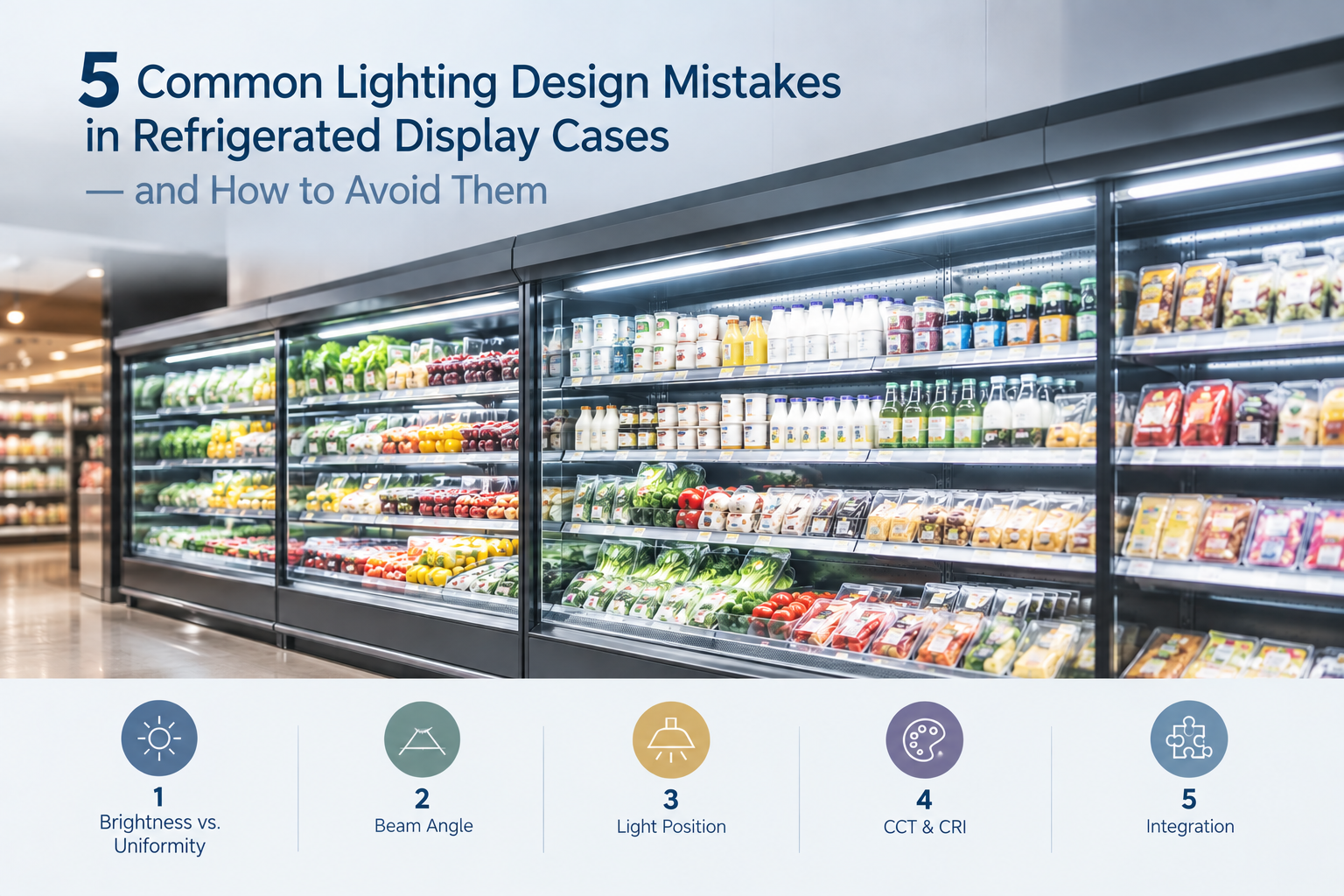
Тиде жапыште, рознице кевыт-влак корным кораҥдыме неле нелылык дене тӱкнат — интернет-кевыт да кочкышым кондымо платформо-влак кевытыште йолын коштшо-влакым чарныде сифонироватлат. Капка гыч шагалрак да шагалрак клиент-влак пурат, кажне унагудым кучен да нунын налме потенциалыштым почмаш кевытыште пашам ыштыме эн тӱҥлан шотлалтеш.
Но теве йодыш: клиент-влак кӧргыштӧ улыт гын, кузе кевытлаште тиде йолчиемым сайын кучен кертыт да тудым шукырак сделкыш савырен кертыт?
Йол дене коштшо-влакым налмаш — тиде клиент-влакын кевытыште илыме жапыштым шуяш, тидыже шке черетыштыже ешартыш налме вероятностьым кугемда.
Вашмут сложный капитально олмыктымо пашаште ок лий, но тыглай логике дене, кудым ятыр гана пеҥгыдемдыме: йырым-йырысе средам шижмаш кодаш кумылаҥмашым рашемда, да визуальный кумылаҥдымаш налме кумылым тарвата.
Кузе кевытлаште клиент-влакым шуяш лиеш’ жапым эртараш але нуным налмашым ышташ кумылаҥдаш?
Икымше, пеш чын сценарийым ончалына:
Супермаркетыш пурышо сатум налше-влак мӧҥгешла кок тӱшкалан шелыт: раш налме цель дене улшо-влак, да нуно, кӧ лач онча.
Тип деч посна, клиент пурымо жапыште, кевытыште волгыдо гын, яндар, да сайын организоватлыме, нунын умылымашышт раш вашталтеш — нуно шкеныштым йӧнан шижыт, да нунын кумылышт браузерыште пӱртӱс кугемеш.
Вашталтен, кевытыште волгыдо да йӱк-йӱан гын, цельыш шуаш тыршыше сатум налше-влакат, очыни, кӱлешым налын, вигак каят, тыглай йӱк-йӱан нерген ойлыманат огыл.

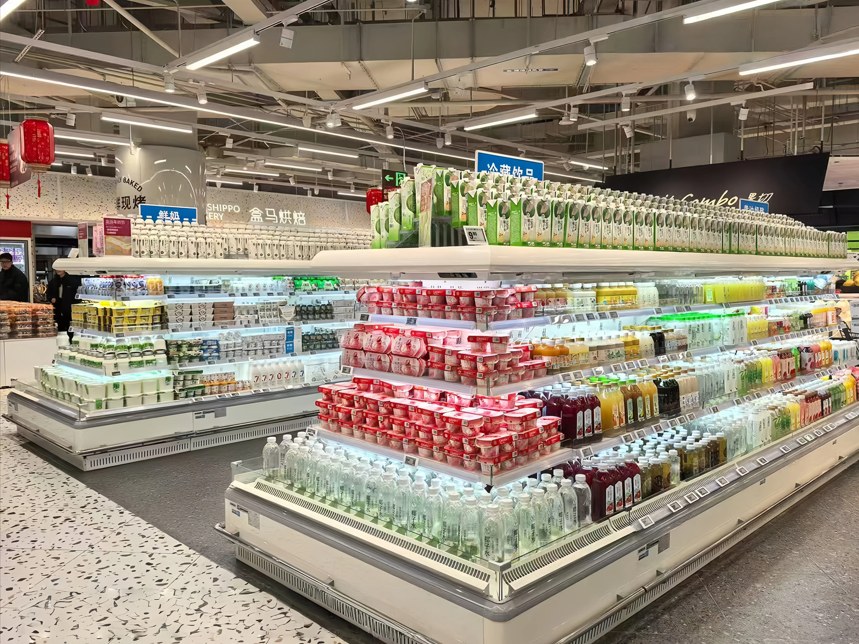
Кызыт, шоналтыза, клиентын раш цельже уло — нуно фруктым налаш шонат. Нуно тура продукт ужашыш каят, нунын арверыштым поген налаш, да кассе деке каяш. Но корнышто, йӱштӧ ужашыште свежа шыл ужар тӱсан коеш гын, а полкышто напитке-влак ӱжын волгалтыт гын, визуальный влияний вигак импульсым тарватен кертеш “эше иктым гына нал.”
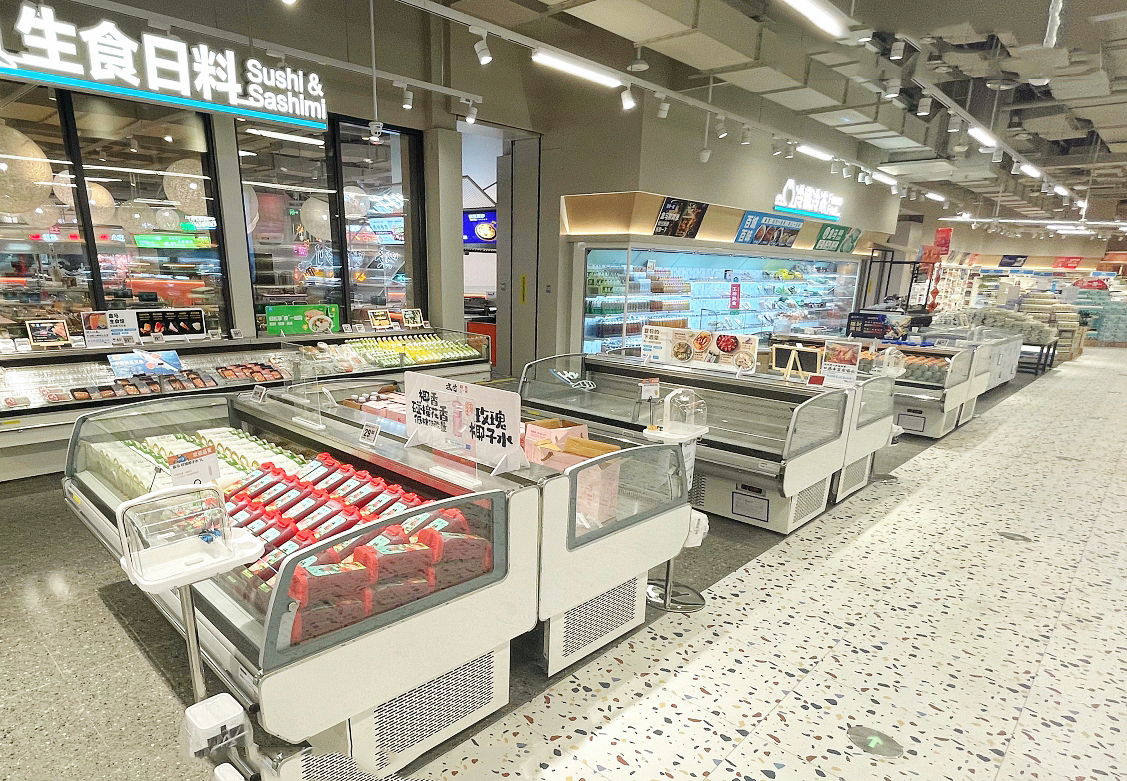
Браузер-влаклан, кудыштлан сатум налме план лийын огыл, йӧнан волгалтарыме схемым да раш палемдыме ужаш-влак нуным кажне корно дене кошташ утларак кумылаҥдат. Чеверын, шинчалан перныше кочкышым оптымо да гастрономий кумдыкышто кочкышым ямдылыме дисплей-влак — визуальный фокусын кажне татше пландыме ешартыш налме верыш савырнен кертеш.
Тыгай койыш пӱртӱс почеш лиеда. Бирок, кевытлаште, кудышт шке макетыштым кумылаҥдаш да ешартыш налмашым кумылаҥдаш манын, лӱмын ыштыме улыт, тиде лектышым утларак пеҥгыдын виктарат.
Ошондой, могай тыглай да эн пайдале йӧн дене тиде клиентна койыш-шоктышым влиянийым ыштен?
Волгыдо!
Волгыдо кевытыште чумыр атмосферым гына огыл ышта — тудо тыгак клиент-влакым визуально кумылаҥда, импульс дене налмашым тарватен.
Кевытыште йолын коштшо-влакым кучаш шонеда гын, те нуным визуально тарватышаш улыда. Тиде поснак чын, низкобилетный арвер-влаклан, кудышт импульс дене налме деке утларак эҥертат — нуно чын волгалтарыме йымалне ойыртемалтшаш улыт. Вет, “сай коеш” еҥ-влакым налаш кумылаҥдаш, жана “сай суаплык” еҥ-влакым налаш торешлана.
Мут:
- Закусочный проход-влак, ӧрыктарыше тӱрлӧ продукций дене темын, чын волгалтарыме годым шинчалан утларак перныше да ӧрыктарыше лийыт.
- Напитке ужаш-влак, яндар тӱс дене волгалтарыме, поснак самырык сатум налше-влаклан келша.
- Гастрономий кумдык арурак да утларак тамле коеш, налме да налме кумылым тарватен.
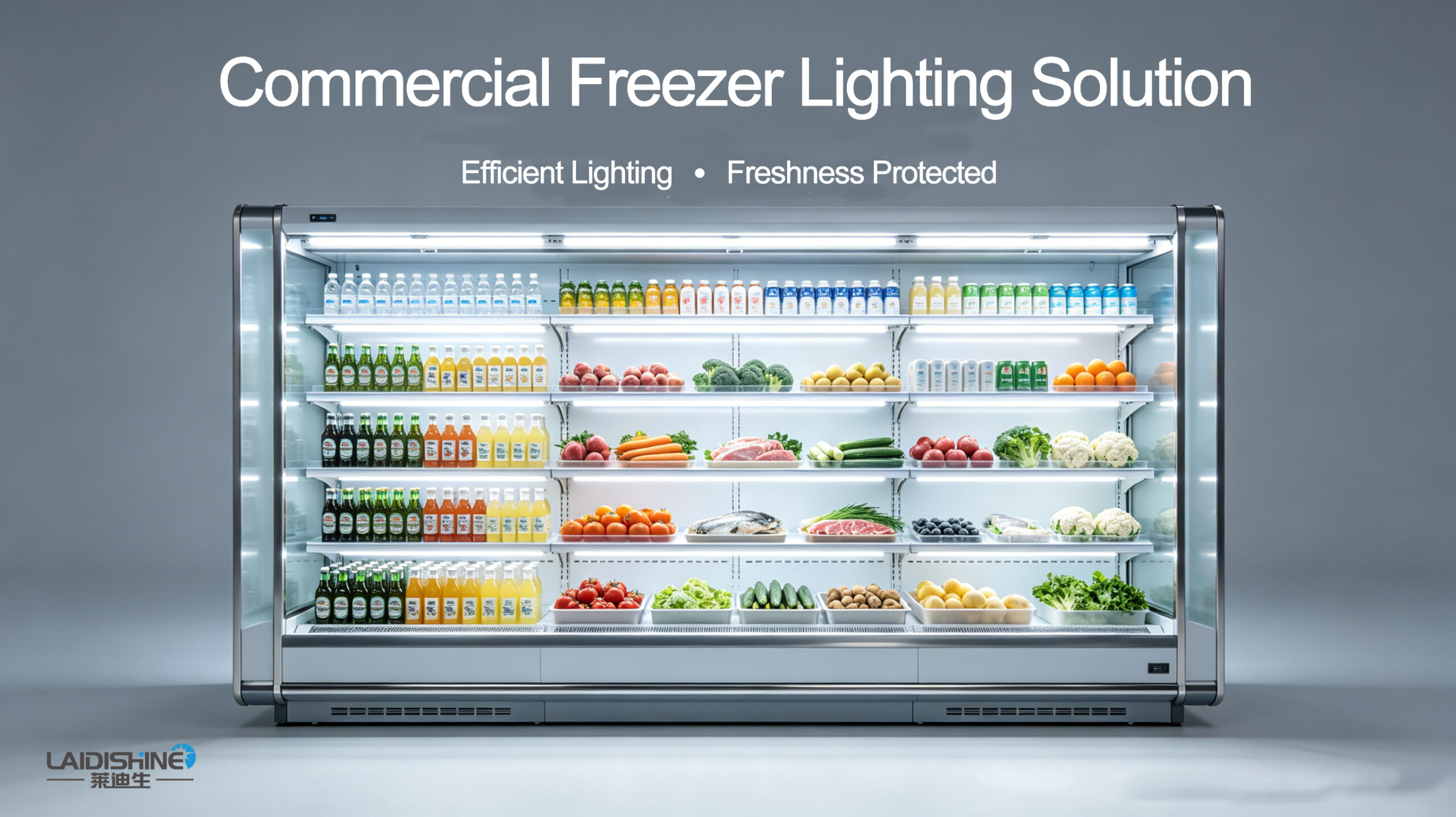
- А свежа продукт да шыл ужашлаште, пайдале волгалтарымаш свежалыкым шижмашым кугемда, налме вероятностьым кугемдымаш — вет, кунам еҥ-влак свежа шыл налыт да ыштен луктыт, нуно тиде пеш свежалыклан тӱлат.
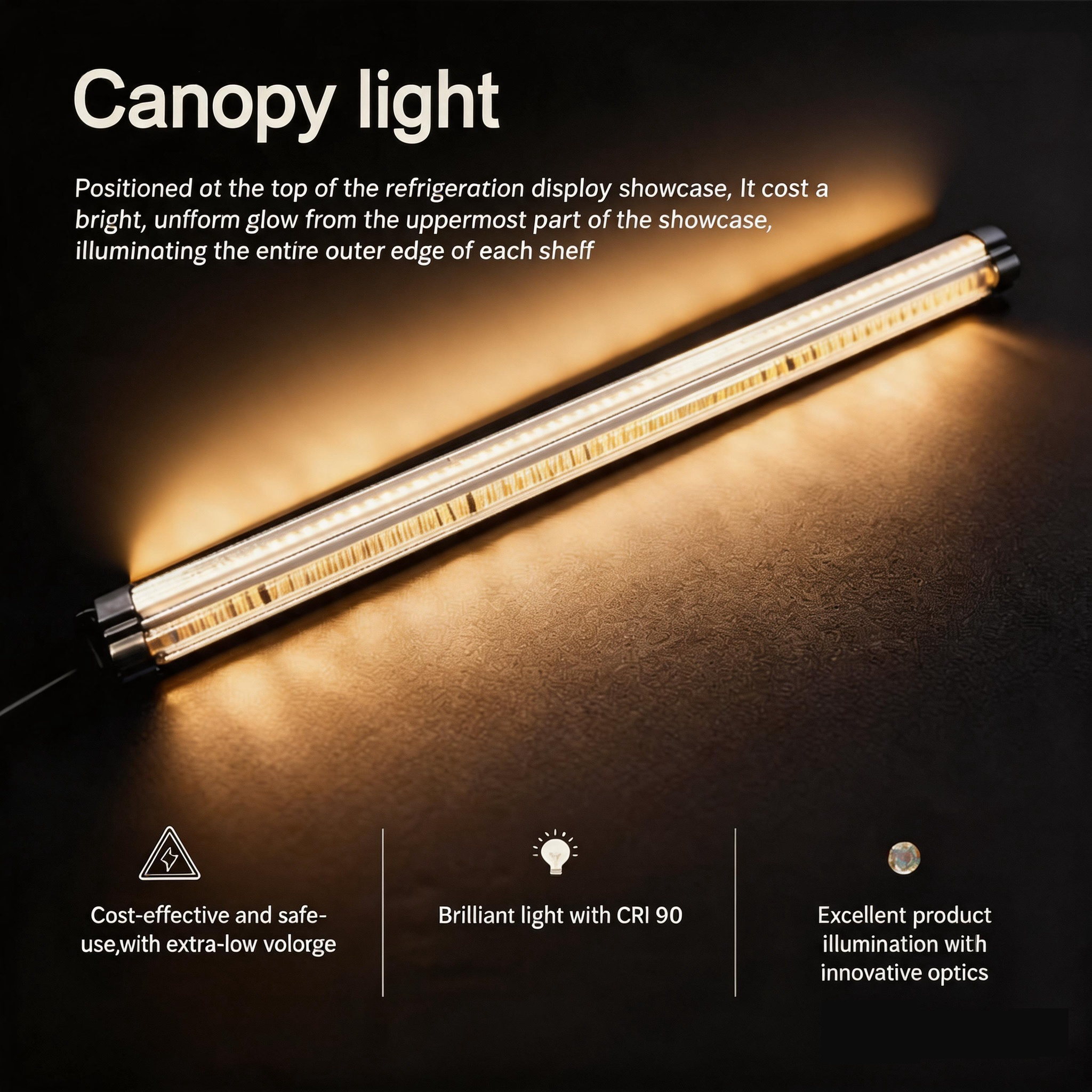
- Полко волгалтарыме да йӱштӧ ужаш волгалтарыме инвестиций — супермаркетлан ик гана роскот, но пайдаже кужу жаплан шуйна. Тыланда дорогостоящий олмыктымо пашам ышташ але у продукцийым да оборудованийым инвестироватлаш ок кӱл, кузе шуко моло кевытыште ыштат.
Кевытыште йолын коштшо-влакым кучаш, волгалтарымаш эн тыглай да эн пайдале йӧн.
Мемнан волгалтарыме йӧным шымлыза кейс шымлымаш, мемнан сатум ончалза, да мемнан дене кылдалтше тичмаш, тендан кӱлешлыкда дене келшышын ыштыме практический волгалтарыме йӧн.