Лайдишин послепродажный случай дене пайлаш
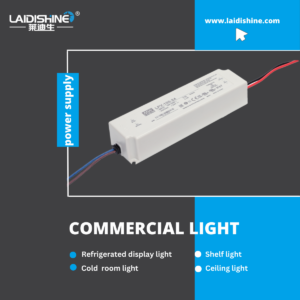
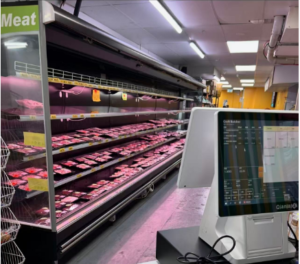
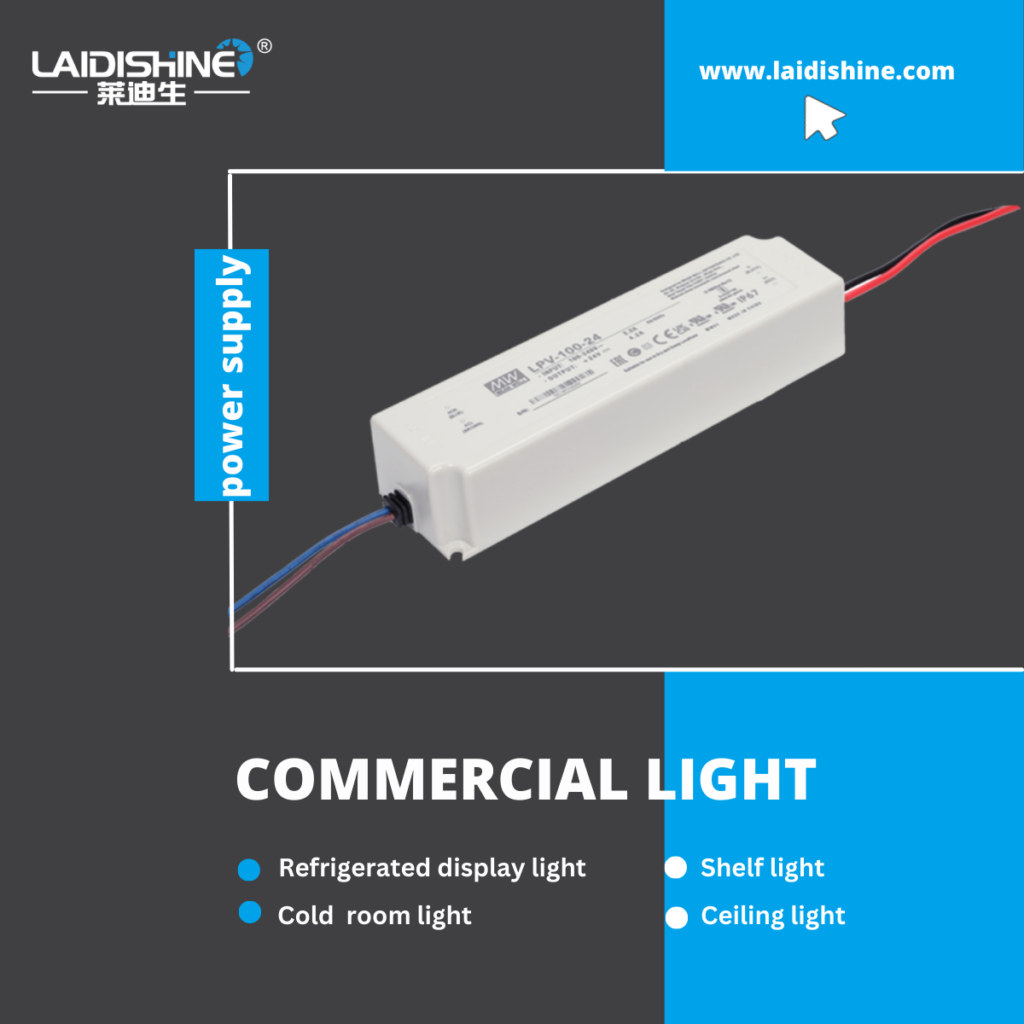
Тиде случай холодильник шкафлашке пуртымо светодиодный волгалтарыме системын экшыкшым ончыкта. Чылаже нагрузко куатше тичмаш светильник комплект 130 Вт, 150 Вт куатан постоянный напряжений дене пашам ыштыше драйвер дене пашам ышта. Стандарт куатым шеледыме практикым почеш, водительын куатше вуйдорыкшо ситыше дене волгалтарыше чумыр нагрузко деч кугурак, кудыжо светодиодный светильник-влаклан тӱҥ кочкышым пуымо йодмашлан тичмашнек келшен толшаш.
Тӱҥалтыш кочкышым пуымо годым, чыла лампе тыглай волгалтеш. Икмыняр жап куржмо деч вара, бирок, волгыдо-влак угыч да угыч тӱҥалме-чарыме цикл дене йӱлен да йӱлен тӱҥалыныт. Нестабильный паша йӱштӧ шкаф-влаклан тыглай волгалтарымашым чот пудыртен.
Светильникын локтылалтме амалжым кораҥдымаш
Тыглай тӱҥ амалым кораҥдаш да чын проблемым рашемдаш манын, целевой разборка да комплексный тергымашым эртарыме.
1. Светильникым тергымаш: Посна ӱзгарлаште нимогай ситыдымашым мумо огыл
Тӱрыснек волгалтарыме системым луктыныт, да кажне волгалтарыше блокым пӧлем температур годым посна тергеныт. Чыла агрегат-влак икгай волгалтареныт да пеҥгыдын пашам ыштеныт, нимогай йӱк-йӱан деч посна, лектын кайыме, але аномальный волгыдо лушкыдеммаш. Тиде локтылалтше светодиодный микросхемым кораҥден, проводко локтылалтмаш, да посна светильник-влакын аномальный нагрузкышт.
2. Куатым тергымаш: Куатым шеледымаш отрасль стандарт дене келшен толеш
Светодиодный драйверым ойырен налме шотышто тыглай отрасльысе йӧн-влак драйверын лектыш куатшым чумыр светодиодный нагрузко куат деч шагал огыл 120% лийже манын йодыт, т.е., 20% лӱдыкшыдымылык чек. Тиде проектыште, 150 Вт драйвер 130 Вт светильник нагрузкым пуэн, ситыше куатым темлымаш. Перегрузка да ситыше куатым пуымо тӱҥ амал-влакым кораҥдыме.
3. Пӱртӱс дене таҥастарымаште тергымаш: Кӱкшӧ температур дене пашам ыштыме состоянийым триггер семын пеҥгыдемдыме
150 Вт постоянно-напряжен драйверыште посна экологий тергымашым эртарыме. Тыглай пӧлем температур годым 130 Вт светильник дене тичмаш нагрузко дене пашам ыштыме годым, водитель чарныде да ӱшанлын жапын-жапын локтылалтде куржталын.
Кунам тыгаяк драйверым холодильник-шкаф монтажыште шке тӱҥ верышкыже вераҥдыме, йоҥылыш эреак угыч лийын. Йӱштӧ шкаф паша годым чарныде шокшым луктеш, водитель йыр йырым-йырысе температурым нӧлталмаш. Кӱкшытыштӧ йырым-йырысе температур водительын пашажым начаремден да светильник-влаклан электропитание аномалий-влакым тарватен.
Тӱҥ амалым лончылымаш: Кӱкшӧ температур годым постоянный напряжений дене пашам ыштыше драйверын паша лектышыжым волташ
Тиде приложенийыште постоянно-напряжен светодиодный драйвер нагрузко условий дене келшышын адаптивный ток дене келыштарыме ойыртемым ончыкта, плюс чоҥалтше кӱчык замыканий, перегрузка да перенапряжений деч аралыме. IP67 рейтинг дене, стандарт паша условийыште тудо пеҥгыде базовый аралыме да кугу ӱшанлыкым пуа.
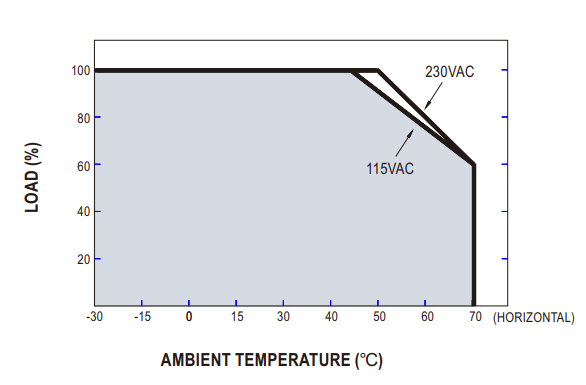
Туге гынат, эн тыглай светодиодный драйвер-влак тыглай ограниченийым пайлат: кугурак йырым-йырысе температур чумыр куатым кучылтмо да напряженийым регулироватлыме пеҥгыдылыкым иземда. Внутренний компонент-влак, конденсатор-влакым пуртымо, напряженийым регулироватлыше ИС-влак да куатым пуышо ӱзгар-влак, температурлан пеш чулым улыт. Йӱштӧ шкаф гыч лекше шокшо компонент-влакын паша лектышыштым волта, лектыш напряжений ден токын вашталтышыжым тарватен. Водитель ынде 130 Вт светильник нагрузко ситыше пеҥгыде куатым пуэн ок керт.
Кунам кугу температур дене кылдалтше паша лектыш волтен, драйверын лектыш куатшым иземда, светильник-влак йӱлен пытат. Ик гана водитель изишак йӱкшен, тудын паша лектышыже ужаш дене тӧрлана да волгыдо угыч ылыжеш. Тиде эскерыме on-off цикл симптомым ышта. Тиде тыглай тайнышт кочкышым пуышо нестабильность, кугу температур дене виктаралтше драйверын локтылалтмыжлан кӧра, драйверын шке ыштыме ситыдымашыже огыл — тудо чын шокшо паша условийлан ситыше келыштарыме деч лектеш.
Пунчалым лукмо & Тыгаяк йоҥылыш-влаклан ойырен налме темлымаш-влак
Полевой тергымашын лектышыже негызеш, йымалне петыралтше але шокшым ыштыше кӱкшӧ температур условийыште жапын-жапын светодиодный йӱк-йӱаным кораҥдашлан целевой вашмут мер-влак улыт.
1. Драйверым вераҥдыме да шокшым лукмо пашам саемдаш
Драйвер-влакым шокшо лукмо розетке але оборудованийын шокшо верже воктене вераҥдыме деч утлаш. Шокшо погынен огыл манын, ситыше вентиляций верым ыштыман. Шокшым йомдарымашым писынрак ышташ манын, шокшо кронштейн але теплоинтерфейс прокладке-влакым вераҥдаш лиеш, паша температурым волташ да тичмаш нагрузко лектышым арален кодаш.
2. Кӱкшӧ температурлан келшыше ойырен налме драйвер-влакым кучылтман
Йӱштӧ шкаф-влаклан, промышленный оборудований да петыралтше омса-влак кугу температур условийыште улыт, пӧлем температур дене пашам ыштыше общий цель дене пашам ыштыше драйвер-влакым кумда температур диапазонан постоянный напряжений дене пашам ыштыше драйвер-влак дене вашталташ. Оптимизировать компонент да тепловой конструкций стабильный куатым куча‐обрабатыватлыше куатым да кӱкшыт температур йымалне да тепловой‐индуцированный лектышым волташ чаракым ыштен.
3. Кӱкшӧ температур йомдарымашым кораҥдаш манын, энергийым пуымо чекым кугемдаш
Тыглай средалан 20% куатым сита гынат, ик 30 % але кугурак маржа кӱкшӧ температур сценарийлан темлалтеш. Тиде шокшо дене кылдалтше куатым куатым волтымо да куатым пуымо вашталтыш деч утлаш манын, шокшо условийыште драйверын лектышыже светильникын тичмаш нагрузко куатше деч кугурак кодеш манын ӱшандарен шога.
4. Адаптивный нагрузко дене сайын аралыме драйвер-влакым ончыл верыш шындаш
IP67-номинальный постоянный напряжений драйвер-влакым ойырен налза, нунын дене комплексный аралыме (кӱчык замыканий, перегрузка, ӱлнӧ напряжений да ӱлнӧ температур деч аралыме) да адаптивный-нагрузко-ток регулироватлымаш. Тиде экологийлан ӱлнӧ улшо чытымашым пуа, нагрузкым келыштарыме пеҥгыдылыкым саемдаш да системын служитлыме жапшым шуяш.
Светодиодный светильник-влакын жапын-жапын йӱкшен-йӱктен койышышт эре локтылалтше ӱзгар-влак деч ок лек, ситыше куат але локтылалтше драйвер-влак. Кӱкшӧ температур дене кылдалтше водительын паша лектышыже локтылалтмаш — чӱчкыдынак ӧрдыжеш кодымо тӱҥ амал. Йӱштӧ шкаф-влаклан, промышленный оборудований да петыралтше пространствыште кучылтмаш, тыглай 20% куатым гына ӱшанаш ситен огыл. Драйверым ойырен налме годым чын илыш температур да шокшо йӱлалтыме условий-влакым шотыш налаш кӱлеш.
Шокшым лукмо шотышто оптимизаций монтаж, кӱкшӧ температур дене специализироватлыме драйвер-влакым кучылтмаш да куатым кугемдыме избыточностьым кучылтмаш кӱкшӧ температур средаште светодиодный периодический цикл дене локтылалтмашым сайын кораҥден кертеш. Тиде мер-влак коммерческий оборудований да промышленный светодиодный волгалтарыме проект-влаклан кужу жаплан пеҥгыде волгалтарыме пашам ышташ полшат.