Partage de cas après-vente Laidishine
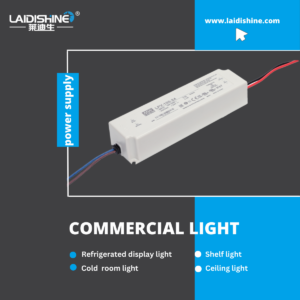
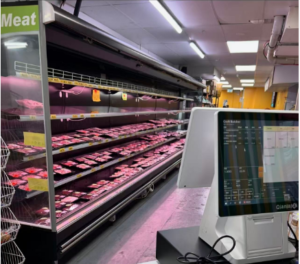
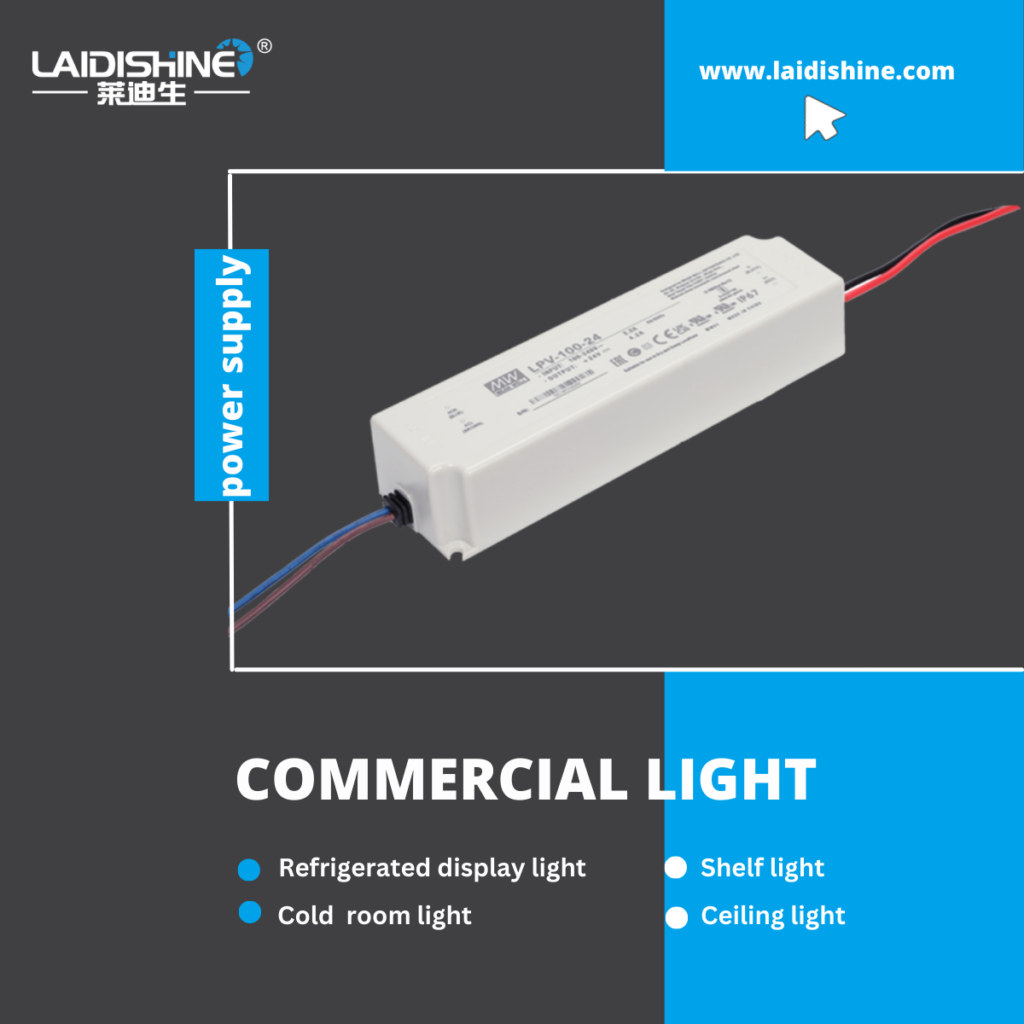
Ce dossier concerne un défaut rencontré sur un système d'éclairage LED intégré dans des armoires réfrigérées. La puissance de charge totale de l'ensemble complet de luminaires est de 130 W, alimenté par un driver à tension constante de 150 W. Conformément aux pratiques standards de distribution d'énergie, la puissance du pilote dépasse la charge totale du luminaire avec une hauteur libre suffisante, qui devrait répondre pleinement aux exigences de base en matière d'alimentation électrique pour les luminaires à LED.
Lors de la mise sous tension initiale, tous les luminaires sont allumés normalement. Après avoir couru pendant un certain temps, cependant, les lumières ont commencé à clignoter avec des cycles marche-arrêt répétés. Un fonctionnement instable a fortement perturbé l’éclairage normal des armoires réfrigérées.
Dépannage des causes de défauts du luminaire
Un démontage ciblé et des tests complets ont été effectués pour éliminer les causes profondes courantes et identifier le véritable problème..
1. Inspection du luminaire: Aucun défaut trouvé sur les luminaires individuels
Le système d'éclairage complet a été démonté, et chaque luminaire a été testé séparément à température ambiante. Toutes les unités sont éclairées uniformément et fonctionnent de manière stable sans scintillement, abandonner, ou une diminution anormale de la lumière. Cela exclut les puces LED endommagées, défauts de câblage, et charge anormale des luminaires individuels.
2. Vérification de la marge de puissance: La distribution électrique est conforme aux normes de l'industrie
Les directives industrielles courantes pour la sélection des pilotes de LED exigent que la puissance de sortie du pilote soit d'au moins 120 % de la puissance totale de la charge des LED., c'est-à-dire, une marge de sécurité de 20%. Dans ce projet, un driver de 150 W alimentait une charge de luminaire de 130 W, offrant une marge de puissance adéquate. Les causes profondes des surcharges et de l'alimentation électrique insuffisante ont été éliminées.
3. Test de comparaison environnementale: Condition de fonctionnement à haute température confirmée comme déclencheur
Des tests environnementaux indépendants ont été effectués sur le pilote à tension constante de 150 W. Lorsqu'il fonctionne à température ambiante normale avec le luminaire 130 W à pleine charge, le conducteur a fonctionné de manière continue et fiable, sans défauts intermittents.
Lorsque le même driver était installé dans sa position d'origine sur l'ensemble armoire réfrigérée, le défaut s'est répété systématiquement. L'armoire réfrigérée génère de la chaleur continue pendant son fonctionnement, augmenter la température ambiante autour du conducteur. Une température ambiante élevée a dégradé les performances du pilote et déclenché des anomalies d'alimentation électrique pour les luminaires..
Analyse des causes profondes: Dégradation des performances du pilote à tension constante sous une température ambiante élevée
Le pilote de LED à tension constante de cette application permet un ajustement adaptatif du courant en fonction des conditions de charge., plus court-circuit intégré, protection contre les surcharges et les surtensions. Avec un indice IP67, il offre une protection de base robuste et une fiabilité élevée dans des conditions de fonctionnement standard.
Néanmoins, la plupart des pilotes de LED conventionnels partagent une limitation commune: une température ambiante plus élevée réduit la capacité globale de gestion de la puissance et la stabilité de la régulation de tension. Composants internes, y compris les condensateurs, CI de régulation de tension et dispositifs d'alimentation, sont très sensibles à la température. La chaleur soutenue de l'armoire réfrigérée dégrade les performances des composants, provoquant des fluctuations de la tension et du courant de sortie. Le driver ne peut plus fournir une puissance stable suffisante pour la charge du luminaire de 130 W.
Lorsque la baisse des performances induite par une température élevée réduit la puissance de sortie disponible du pilote, les luminaires s'éteignent. Une fois que le conducteur a légèrement refroidi, ses performances se rétablissent partiellement et les lumières se rallument. Cela crée le symptôme de cycle marche-arrêt observé. Il s'agit d'une instabilité cachée typique de l'alimentation électrique causée par une dégradation du pilote due à une température élevée., plutôt qu'un défaut de fabrication du pilote lui-même — il provient d'une adaptation insuffisante aux conditions thermiques réelles de fonctionnement.
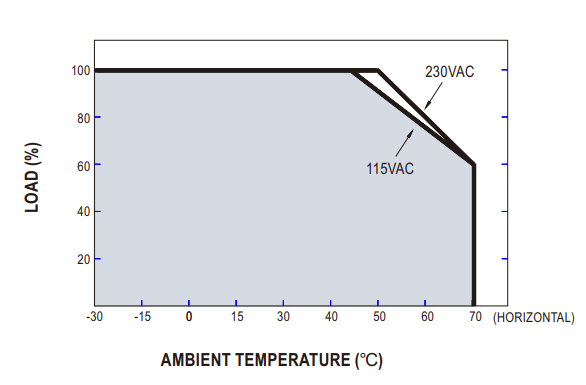
Solutions & Recommandations de sélection pour des défauts similaires
Basé sur les résultats des tests sur le terrain, vous trouverez ci-dessous des contre-mesures ciblées pour résoudre le scintillement intermittent des LED dans des espaces clos ou dans des conditions de température élevée génératrices de chaleur..
1. Améliorer l'installation du pilote et la dissipation thermique
Évitez de monter les pilotes à proximité de sorties d'évacuation de chaleur ou de zones de points chauds de l'équipement.. Assurer un espace de ventilation adéquat pour éviter l’accumulation de chaleur. Des supports thermiques ou des joints d'interface thermique peuvent être installés pour accélérer la dissipation thermique, température de fonctionnement inférieure et préservation des performances à pleine charge.
2. Adoptez des pilotes dédiés aux hautes températures
Pour armoires réfrigérées, équipements industriels et enceintes fermées exposés à des conditions de température élevée, remplacer les pilotes à température ambiante à usage général par des pilotes à tension constante à large plage de température. Les composants optimisés et la conception thermique maintiennent une capacité de traitement de puissance stable même à des températures ambiantes élevées et empêchent la dégradation des performances induite par la chaleur..
3. Augmenter la marge d'alimentation électrique pour compenser les pertes de température élevées
Alors qu'une marge de puissance de 20 % suffit pour les environnements ordinaires, un 30 % ou marge supérieure est recommandé pour les scénarios de températures élevées. Cela compense le déclassement de la capacité électrique lié à la chaleur et garantit que la puissance du pilote reste supérieure à la puissance à pleine charge du luminaire dans des conditions chaudes afin d'éviter les fluctuations de l'alimentation électrique..
4. Donnez la priorité aux conducteurs bien protégés avec une capacité de charge adaptative
Sélectionnez des pilotes à tension constante classés IP67 avec une protection complète (court-circuit, surcharge, protection contre les surtensions et les surchauffes) et régulation adaptative du courant de charge. Ceux-ci offrent une résistance environnementale supérieure, améliorer la stabilité de l'adaptation de charge et prolonger la durée de vie du système.
Le comportement d'allumage et d'extinction intermittent des luminaires LED ne provient pas toujours de luminaires endommagés, puissance insuffisante ou pilotes défectueux. La dégradation des performances du pilote induite par des températures élevées est une cause fondamentale souvent négligée. Pour armoires réfrigérées, équipements industriels et applications en espaces clos, se fier uniquement à la marge de puissance conventionnelle de 20 % n’est pas suffisant. La sélection du pilote doit tenir compte de la température ambiante réelle et des conditions de dissipation thermique..
Installation optimisée pour la dissipation thermique, l'adoption de pilotes spécialisés dans les hautes températures et une redondance de puissance élargie peuvent éliminer efficacement les défauts de cycle intermittent des LED dans les environnements à haute température. Ces mesures soutiennent des performances d'éclairage stables à long terme pour les projets d'équipement commercial et d'éclairage LED industriel..