Kollegen aus der Beleuchtungsbranche, Sind Sie jemals in diese Situation geraten?:
Labortests an Prototypen laufen perfekt, und die Kleinserienproduktion zeigt keine Probleme. Doch sobald die Massenproduktion beginnt, Unter den LED-Perlen treten inkonsistente Farben auf. Bei warmweißem Licht tauchen kaltweiße Flecken auf, Dies führt zu einer ungleichmäßigen und unordentlichen Gesamtlichtfarbe.
Die meisten Fabriken vermuten zunächst Störungen in der Produktionslinie oder unsachgemäßen Umgang des Bedieners, aber das ist selten die wahre Ursache. Die überwiegende Mehrheit der Chargen-zu-Charge-LED-Farbinkonsistenzen ist nicht auf eine plötzliche Verschlechterung der Herstellungsprozesse zurückzuführen. Stattdessen, Dies ist auf unzureichende Prüfstandards vor der Produktion und eine schlechte Kontrolle kritischer photometrischer Parameter zurückzuführen.
Viele Hersteller prüfen lediglich, ob LEDs leuchten, Einfache Überprüfung des Lichtstroms, Dabei werden Kernmetriken, die die Farbkonsistenz bestimmen, völlig außer Acht gelassen: Farbtemperatur, Farbkoordinaten, Farbtoleranz und Farbwiedergabeindex. Dies ist die Hauptursache für Farbabweichungen innerhalb derselben Charge von LED-Leuchten.
Vier Kernparameter, die die Farbkonsistenz von LEDs bestimmen
1. Farbtemperatur: Der Grundton des Lichts
Die Farbtemperatur definiert, ob das Licht warmgelb oder kaltweiß ist, und es ist die intuitivste visuelle Metrik für Endbenutzer. Selbst eine geringfügige Abweichung der Farbtemperatur während der Massenproduktion kann die Tongleichmäßigkeit während eines Produktionslaufs beeinträchtigen. Warmweißes Licht, das kühl wird, oder neutralweißes Licht, das gelb wird, sind typische Folgen einer ungenügenden Farbtemperaturkontrolle. Winzige Abweichungen können dazu führen, dass fertige Produkte sichtbar inkonsistent aussehen.
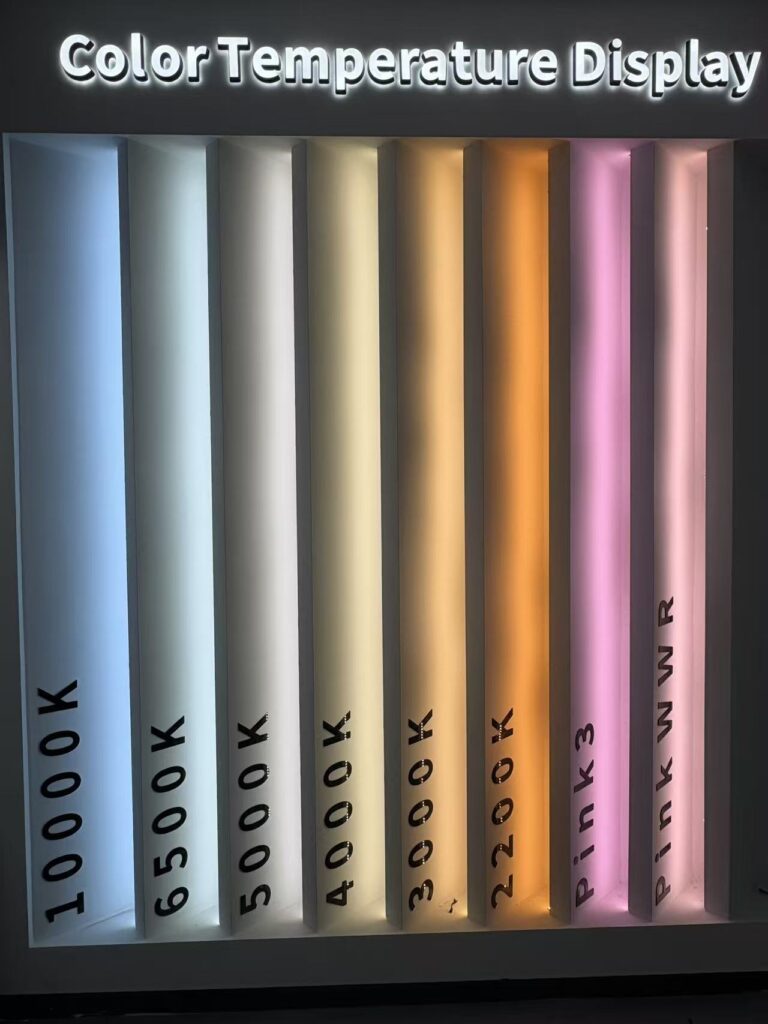
2. Chromatizitätskoordinaten: Die einzigartige „Farb-ID“ des Lichts
Wenn die Farbtemperatur einen allgemeinen Farbton ergibt, Farbkoordinaten sorgen für eine präzise Farbfixierung. Diese Schlüsselmetrik misst die Farbgenauigkeit. Das menschliche Auge kann Farbverschiebungen schon bei kleinen Abweichungen erkennen 0.001. Häufige Beschwerden wie „merkwürdiger Farbton“, Ein „stumpfer Graustich“ oder eine „Farbverfälschung“ bei Leuchten wird im Wesentlichen durch Farbortdrift verursacht.
3. Lichtstrom: Der verborgene Faktor, der Farbunterschiede verstärkt
Lichtstrom steht für Helligkeit. Viele Fabriken bestätigen nur Mindestanforderungen an die Helligkeit und ignorieren dabei die Gleichmäßigkeit der Helligkeit über alle Geräte hinweg. Ein ungleichmäßiger Lichtstrom zwischen den LED-Perlen verstärkt subtile Verschiebungen der Farbtemperatur und der Farbkoordinaten. Hellere Perlen können kühler erscheinen, dimmen Sie diejenigen wärmer, Dadurch entsteht ein wirrer visueller Effekt mit wechselnden Helligkeits- und Farbstichen.
4. Farbwiedergabeindex & Farbtoleranz: Maßgebend für Lichtgleichmäßigkeit und erstklassige Leistung
Der Farbwiedergabeindex (CRI) regelt die Farbtreue unter Beleuchtung. Die Farbtoleranz dient als entscheidende Messgröße für die Farbkonsistenz in Chargen und ist für die Qualitätskontrolle von High-End-Leuchten unerlässlich. In der Branche, Premium-Massenproduktionsstandards halten die Farbtoleranz bei ≤3 SDCM. Eine geringere Farbtoleranz sorgt für mehr Gleichmäßigkeit, Stabile Lichtausbeute und vermeidet Fleckenbildung, Farbtonverschiebungen und lückenhafte Ausleuchtung.

Optische Instrumente: Wichtige Tools zur Behebung von Farbabweichungen bei LEDs in der Massenproduktion
Professionelle LED-Hersteller sind mit Ulbrichtkugel-Testsystemen ausgestattet. Diese Instrumente messen präzise alle photometrischen und elektrischen Parameter: Farbtemperatur, Farbkoordinaten, Lichtstrom, CRI und Farbtoleranz, deckt alle Kernanforderungen der LED-Qualitätsprüfung ab.
Vor der Massenproduktion, Führen Sie Stichprobenkontrollen oder vollständige Inspektionen mithilfe von Ulbrichtkugeln durch. Filtern Sie LED-Perlen mit einer Farbtoleranz außerhalb der Spezifikation strikt heraus, Farbtemperaturdrift oder Farbartversatz, um Chargenfarbinkonsistenzen an der Quelle zu beseitigen.
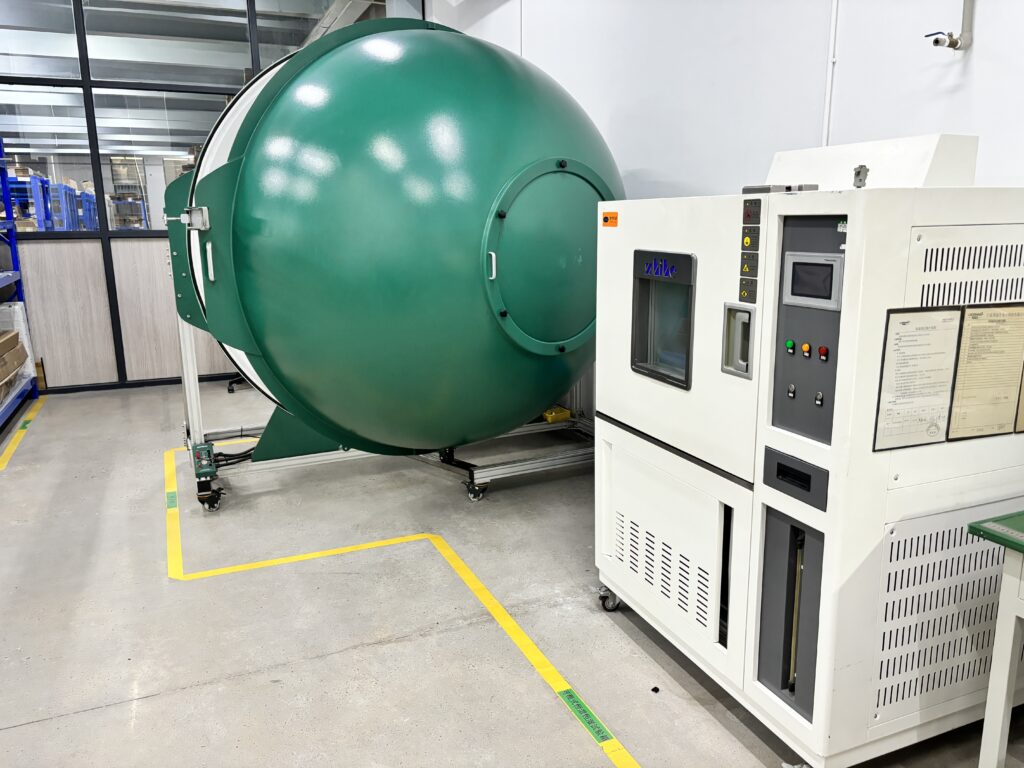
Mit 15 Jahrelanges und fundiertes Fachwissen in der gewerblichen Tiefkühlbeleuchtungsbranche, Ladishin ist bestrebt, perfekte Lichteffekte zu liefern. Um zu überprüfen, ob die Produktleistung den Designstandards entspricht, Wir sind mit fortschrittlichen optischen Instrumenten und einer umfassenden Palette hochpräziser experimenteller Ausrüstung ausgestattet. Um Produkte mit stabiler Qualität und hoher Konsistenz herzustellen, Laidisheng hat spezialisierte Produktions- und Prüfgeräte eingeführt und unabhängig entwickelt. Jedes Produkt wird vor der Massenproduktion umfassenden Tests unterzogen, um herausragende Stabilität und zuverlässige Leistung zu gewährleisten.
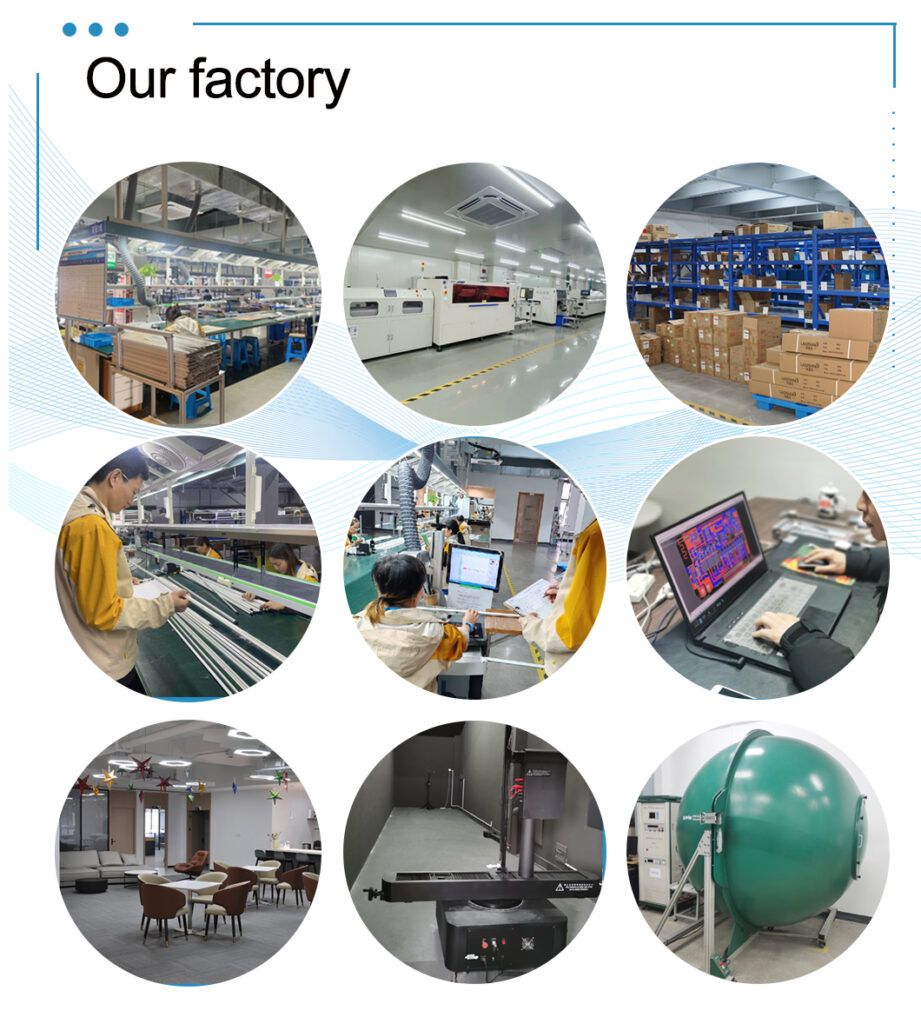
Eine inkonsistente Farbe der LED-Perlen in der Charge ist bei der Herstellung nie ein Pech. Dies ist eine unvermeidliche Folge unzureichender Qualitätskontrollstandards und unkontrollierter photometrischer Parameter.
Für Profis, die in der LED-Herstellung tätig sind, Qualitätsprüfung und Beschaffung: Welche Metrik priorisieren Sie bei der täglichen Qualitätskontrolle am meisten – Lichtstrom?, Farbtemperatur oder Farbkoordinaten? Nehmen Sie gerne Kontakt zu uns auf und teilen Sie Brancheneinblicke mit uns.