Đồng nghiệp trong ngành chiếu sáng, bạn đã bao giờ rơi vào tình huống này chưa:
Các thử nghiệm trong phòng thí nghiệm trên nguyên mẫu diễn ra hoàn hảo, và sản xuất hàng loạt nhỏ không có vấn đề gì. Tuy nhiên, một khi quá trình sản xuất hàng loạt bắt đầu, màu sắc không nhất quán xuất hiện giữa các hạt LED. Những đốm trắng lạnh xuất hiện trong ánh sáng trắng ấm, dẫn đến màu sáng tổng thể không đồng đều và lộn xộn.
Hầu hết các nhà máy lần đầu tiên đều nghi ngờ trục trặc trong dây chuyền sản xuất hoặc cách vận hành của người vận hành không đúng cách., nhưng đó hiếm khi là nguyên nhân thực sự. Phần lớn sự không nhất quán về màu sắc của đèn LED theo từng đợt không xuất phát từ sự xuống cấp đột ngột trong quy trình sản xuất. Thay vì, nó bắt nguồn từ việc thiếu tiêu chuẩn thử nghiệm trước khi sản xuất và khả năng kiểm soát kém đối với các thông số trắc quang quan trọng.
Nhiều nhà sản xuất chỉ kiểm tra xem đèn LED có sáng không, chỉ cần xác minh quang thông, trong khi hoàn toàn bỏ qua các số liệu cốt lõi chi phối tính nhất quán của màu sắc: nhiệt độ màu, tọa độ màu sắc, Khả năng chịu màu và chỉ số hoàn màu. Đây chính là nguyên nhân sâu xa của sự biến đổi màu sắc trong cùng một lô đèn LED.
Bốn thông số cốt lõi xác định tính nhất quán màu sắc của đèn LED
1. Nhiệt độ màu: Giai điệu cơ bản của ánh sáng
Nhiệt độ màu xác định ánh sáng nghiêng về màu vàng ấm hay trắng mát, và đây là thước đo trực quan nhất cho người dùng cuối. Ngay cả sự chênh lệch nhiệt độ màu nhỏ trong quá trình sản xuất hàng loạt cũng có thể làm hỏng tính đồng nhất về tông màu trong suốt quá trình sản xuất. Ánh sáng trắng ấm chuyển sang lạnh, hoặc ánh sáng trắng trung tính chuyển sang màu vàng, là kết quả điển hình của việc kiểm soát nhiệt độ màu lỏng lẻo. Những sai lệch nhỏ có thể làm cho thành phẩm trông không nhất quán rõ ràng.
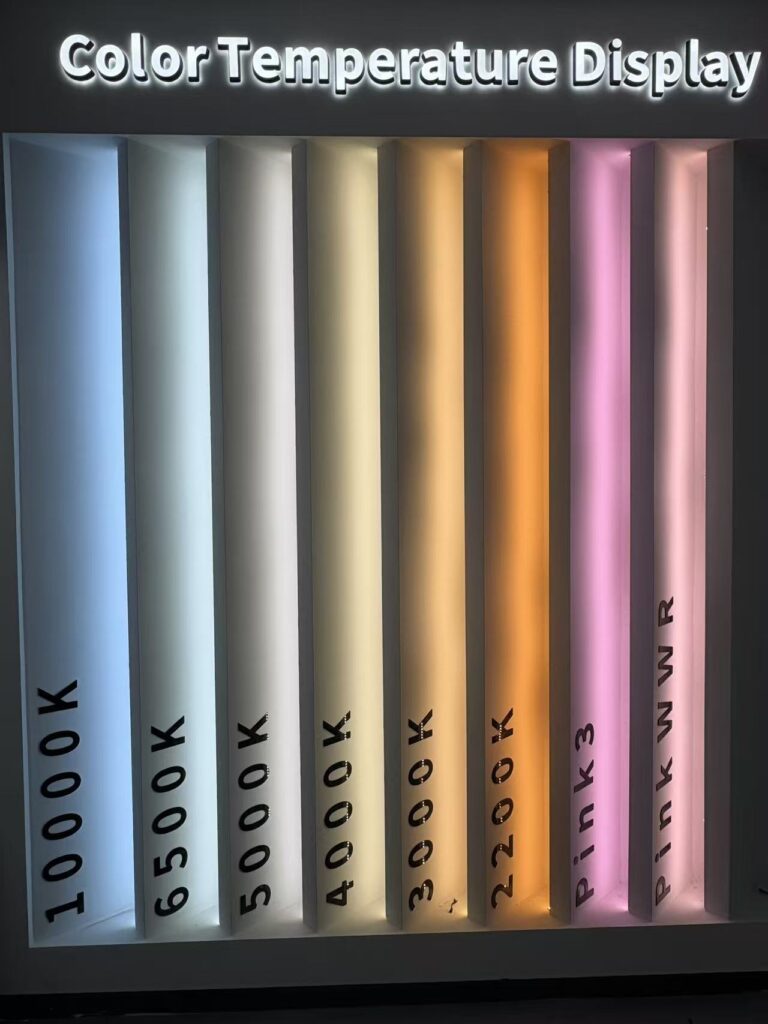
2. Tọa độ màu sắc: “ID màu” duy nhất của ánh sáng
Nếu nhiệt độ màu mang lại tông màu chung, tọa độ màu mang lại khả năng khóa màu chính xác. Số liệu quan trọng này đo lường độ chính xác của màu sắc. Mắt người có thể phát hiện sự thay đổi màu sắc ngay cả từ những sai lệch nhỏ như 0.001. Những lời phàn nàn phổ biến như “màu lạ”, “Xám xỉn” hoặc “biến dạng màu” trong bộ đèn về cơ bản là do lệch tọa độ màu.
3. Thông lượng phát sáng: Yếu tố ẩn khuếch đại sự khác biệt màu sắc
Quang thông tượng trưng cho độ sáng. Nhiều nhà máy chỉ xác nhận yêu cầu về độ sáng tối thiểu mà bỏ qua sự đồng đều về độ sáng giữa các đơn vị. Quang thông không đồng đều giữa các hạt LED phóng to sự thay đổi tinh tế về nhiệt độ màu và tọa độ màu sắc. Hạt sáng hơn có thể trông mát hơn, cái mờ hơn ấm hơn, tạo ra hiệu ứng hình ảnh lộn xộn với độ sáng và màu sắc xen kẽ.
4. Chỉ số hoàn màu & Dung sai màu: Tính đồng nhất của đèn điều khiển và hiệu suất cao cấp
Chỉ số hoàn màu (CRI) chi phối độ trung thực của màu sắc dưới ánh sáng. Dung sai màu đóng vai trò là thước đo quan trọng cho tính nhất quán màu sắc theo từng đợt và rất cần thiết để kiểm soát chất lượng bộ đèn cao cấp. Trong ngành, tiêu chuẩn sản xuất hàng loạt cao cấp duy trì dung sai màu ở mức 3 SDCM. Dung sai màu nhỏ hơn mang lại sự đồng đều hơn, Đầu ra ánh sáng ổn định và tránh lốm đốm, sự thay đổi màu sắc và ánh sáng loang lổ.

Dụng cụ quang học: Các công cụ quan trọng để giải quyết độ lệch màu đèn LED sản xuất hàng loạt
Các nhà sản xuất đèn LED chuyên nghiệp được trang bị hệ thống kiểm tra hình cầu tích hợp. Những thiết bị này đo chính xác các thông số quang và điện đầy đủ: nhiệt độ màu, tọa độ màu sắc, quang thông, CRI và khả năng chịu màu, đáp ứng tất cả các yêu cầu kiểm tra chất lượng LED cốt lõi.
Trước khi sản xuất hàng loạt, thực hiện kiểm tra tại chỗ mẫu hoặc kiểm tra toàn bộ thông qua quả cầu tích hợp. Lọc nghiêm ngặt các hạt LED có dung sai màu vượt quá thông số kỹ thuật, độ lệch nhiệt độ màu hoặc độ lệch màu, để loại bỏ sự không nhất quán về màu sắc hàng loạt tại nguồn.
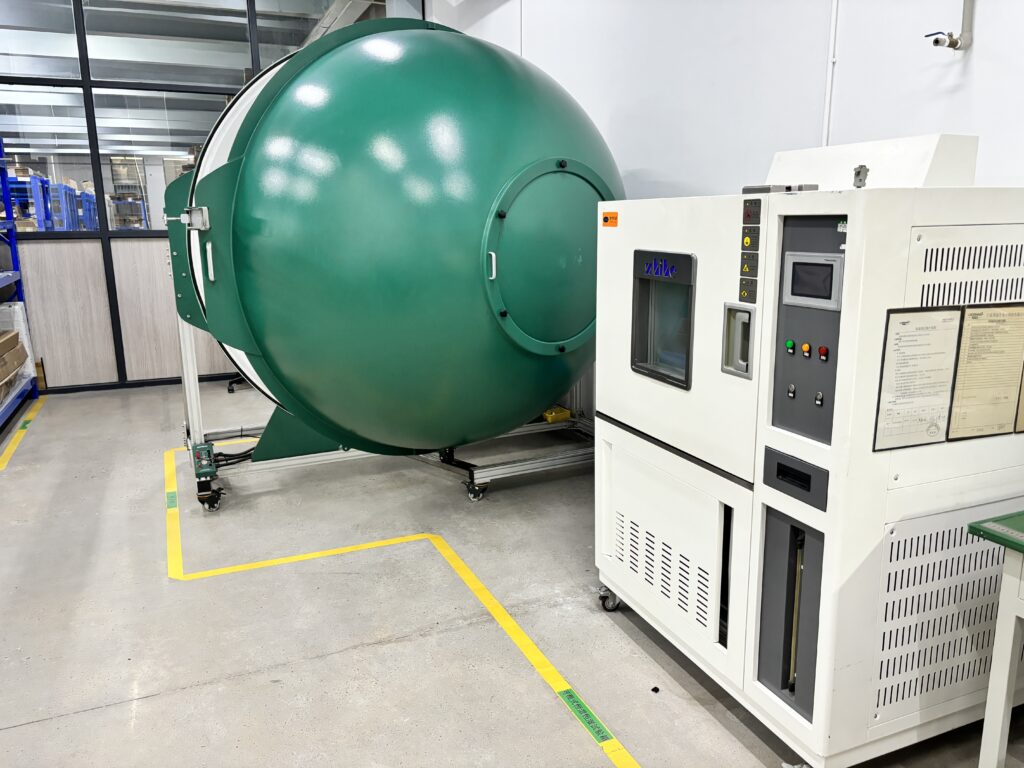
Với 15 năm kinh nghiệm chuyên sâu trong ngành chiếu sáng tủ đông thương mại, Ladisine cam kết mang lại hiệu ứng ánh sáng hoàn hảo. Để xác minh rằng hiệu suất sản phẩm đáp ứng các tiêu chuẩn thiết kế, chúng tôi được trang bị các dụng cụ quang học tiên tiến và đầy đủ các thiết bị thí nghiệm có độ chính xác cao. Để sản xuất ra sản phẩm có chất lượng ổn định và tính đồng nhất cao, Laidisheng đã giới thiệu và phát triển độc lập các thiết bị sản xuất và thử nghiệm chuyên dụng. Mỗi sản phẩm đều trải qua quá trình kiểm tra toàn diện trước khi sản xuất hàng loạt để đảm bảo độ ổn định vượt trội và hiệu suất đáng tin cậy.
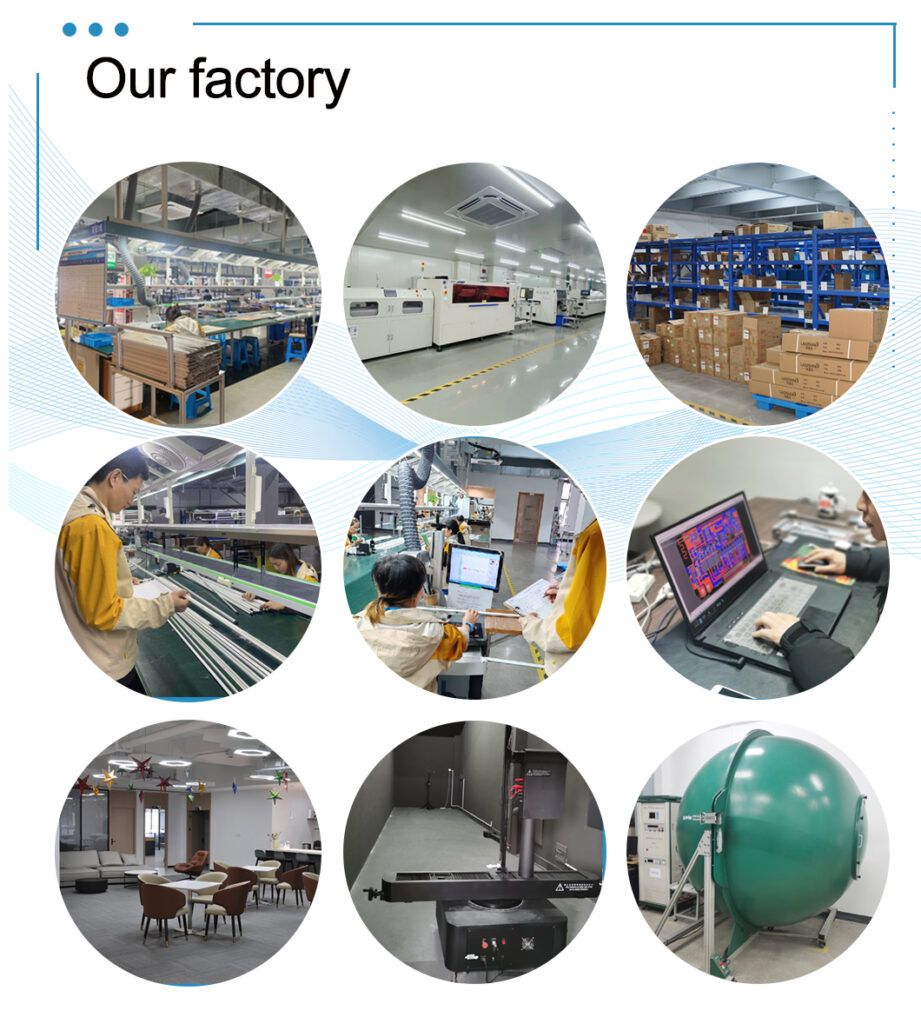
Sự không nhất quán về màu sắc của hạt LED hàng loạt không bao giờ là điều xui xẻo trong sản xuất. Đó là hậu quả tất yếu của việc thiếu tiêu chuẩn kiểm tra chất lượng và các thông số trắc quang không được kiểm soát..
Dành cho các chuyên gia tham gia sản xuất đèn LED, kiểm tra chất lượng và mua sắm: bạn ưu tiên số liệu nào nhất trong QC hàng ngày - quang thông, nhiệt độ màu hoặc tọa độ màu? Hãy liên hệ và chia sẻ những hiểu biết sâu sắc về ngành với chúng tôi.