Compreendendo a realidade térmica por trás de cada Watt
Em vitrines refrigeradas comerciais, a iluminação é frequentemente discutida em termos de brilho, renderização de cores, ou impacto de merchandising. No entanto, do ponto de vista da engenharia, a iluminação desempenha um papel muito mais crítico – influencia diretamente a carga térmica do sistema de refrigeração.
Para fabricantes OEM, engenheiros de refrigeração, e projetistas de sistemas, um fato permanece fundamental:
Cada watt de iluminação instalado dentro de uma vitrine refrigerada transforma-se em calor que deve ser removido pelo sistema de refrigeração.
Esta não é uma interpretação de marketing. É termodinâmica básica – e afeta diretamente o dimensionamento do compressor, consumo de energia, estabilidade de temperatura, e eficiência do sistema a longo prazo.
1. Iluminação dentro do limite de resfriamento: Por que é importante
Em um ambiente de supermercado, luzes de teto iluminam de fora do envelope de refrigeração. Seu calor se dissipa no ar ambiente armazenado.
Mas a iluminação do display refrigerado é diferente.
Módulos LED, motoristas, colchetes, e as lentes são instaladas dentro do gabinete isolado — dentro do limite de resfriamento definido. Isso significa:
- A energia elétrica entra no espaço refrigerado
- Quase tudo é convertido em energia térmica
- Esse calor deve ser continuamente extraído
Do ponto de vista da física:
Energia elétrica → Energia térmica → Remoção de refrigeração
Não há watt “livre” dentro de uma caixa refrigerada.
2. A relação termodinâmica
A relação é direta:
Onde:
- Q = Calor adicionado ao espaço refrigerado (C)
- P = Potência elétrica de entrada do sistema de iluminação (C)
Na prática, 95–100% da potência da iluminação LED se transforma em calor dentro do gabinete, dependendo de:
- Localização do motorista (interno x externo)
- Eficiência do dissipador de calor
- Design óptico
- Gerenciamento de fluxo de ar
Até mesmo LEDs altamente eficientes (160 lm/W ou superior) ainda converte a maior parte da energia de entrada em calor. A eficiência luminosa melhora a produção visual – mas não elimina a carga térmica.
É por isso que o design de iluminação é inseparável do design de refrigeração.
3. O que isso significa para os fabricantes OEM
Para fabricantes de vitrines, influências do poder de iluminação:
- Tempo de execução do compressor
- Carga do evaporador
- Frequência de descongelamento
- Tempo de retirada do gabinete
- Flutuação de temperatura perto das superfícies do produto
Uma diferença de 20–40 watts por gabinete pode parecer pequena – mas em geral:
- 50 casos em um supermercado
- 500 casos em uma rede de hipermercados
- Milhares de unidades em um lançamento de marca
A carga cumulativa de refrigeração torna-se significativa.
É por isso que os principais OEMs avaliam cada vez mais a iluminação não apenas pelo brilho, mas também pela contribuição térmica por metro linear.
4. Exemplo prático de engenharia
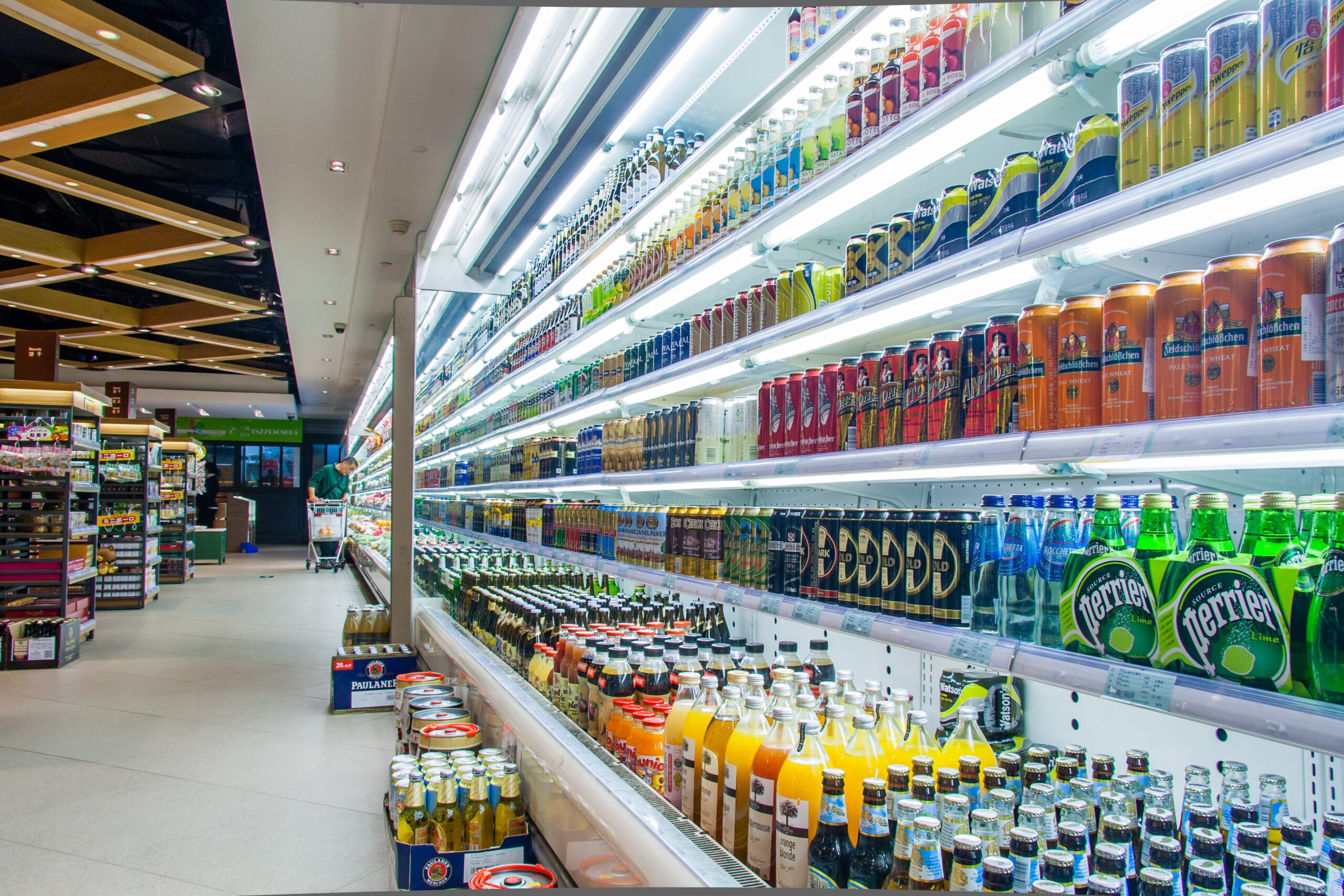
Considere um freezer vertical com porta de vidro de vários andares:
| Item | Caso A | Caso B |
|---|---|---|
| Potência de iluminação | 60 C | 35 C |
| Calor Diário Adicionado | 1.44 kWh | 0.84 kWh |
| Carga térmica anual | 525 kWh | 307 kWh |
Que 25 A redução de W economiza mais 200 kWh por caixa anualmente em remoção de refrigeração.
Multiplique isso por uma instalação de 200 casos, e a diferença de energia torna-se operacionalmente significativa.
5. Além da potência: Distribuição térmica é importante
Nem todos os sistemas de iluminação transferem calor da mesma maneira.
Os principais fatores incluem:
- Ângulo da lente e controle óptico
- Montagem em superfície vs design embutido
- Dissipação de calor em perfil de alumínio
- Separação de motorista
- Posicionamento em relação aos canais de fluxo de ar
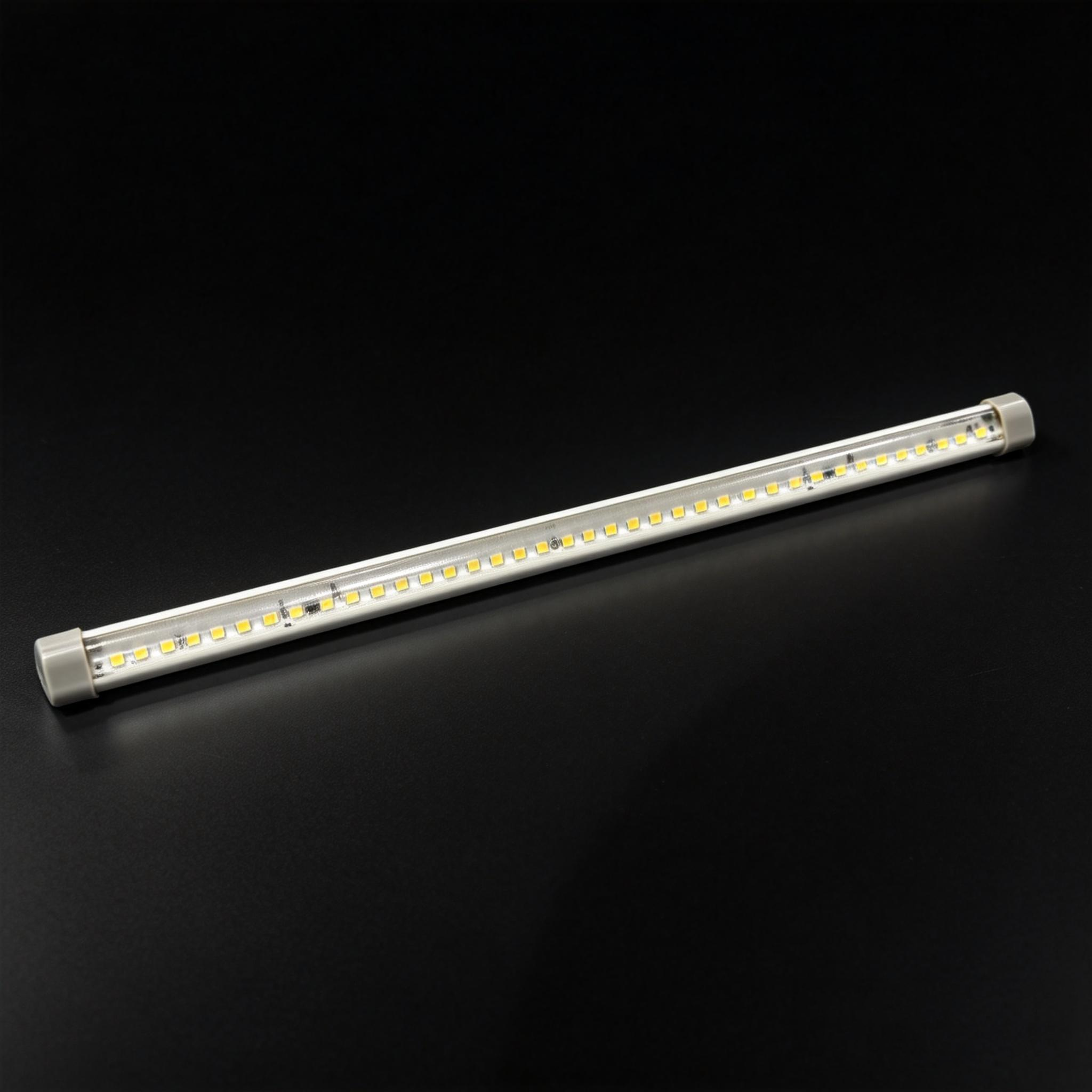
Em Laidishine, os sistemas de iluminação são projetados especificamente para ambientes refrigerados – não adaptados de luminárias gerais de varejo.
Por exemplo:
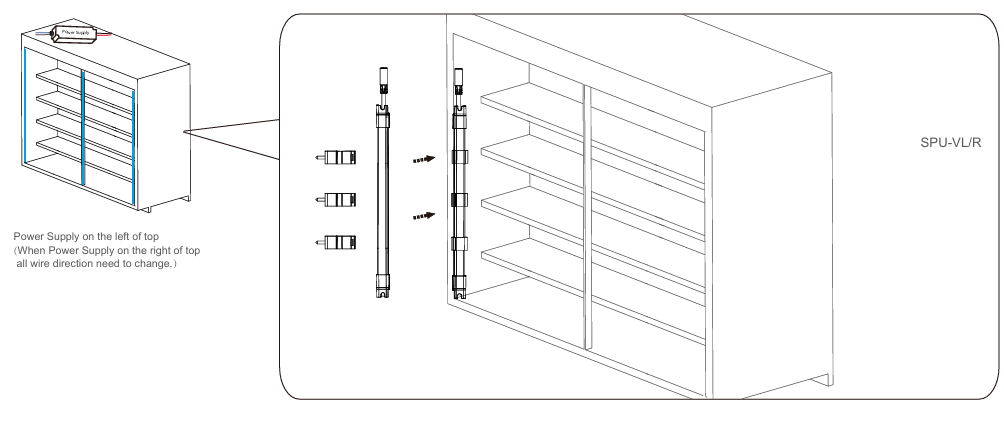
- Nossa série SPU foi projetada com caminhos térmicos otimizados
- Os sistemas DC24V reduzem o calor interno do driver
- A vedação IP65 mantém a estabilidade térmica em ambientes úmidos
- O controle óptico minimiza o aquecimento radiante desnecessário dos produtos
O objetivo não é apenas diminuir a potência – mas também controlar o comportamento do calor.
6. Por que isso está se tornando mais importante
Hoje, varejistas e parceiros OEM estão sob pressão crescente para:
- Atenda aos regulamentos de energia (CORÇA, Ecodesign da UE)
- Melhorar o desempenho ESG
- Reduza o ciclo do compressor
- Mantenha a temperatura consistente dos alimentos
A iluminação pode apoiar estes objetivos — ou prejudicá-los silenciosamente.
Fabricantes com visão de futuro agora tratam a iluminação como um componente de refrigeração, não é um acessório decorativo.
7. A conclusão estratégica
Para OEMs de vitrines refrigeradas:
- Cada watt de iluminação deve ser incluído nos cálculos de carga de refrigeração
- A menor potência conectada reduz a demanda do compressor
- O design óptico e térmico adequado protege a estabilidade da temperatura
- As decisões de iluminação impactam o desempenho energético a longo prazo
Em Laidishine, colaboramos com engenheiros de refrigeração no início do desenvolvimento do gabinete para garantir que a iluminação se integre termicamente, mecanicamente, e opticamente – sem adicionar carga desnecessária.
Porque no projeto de refrigeração, cada watt importa.
Mais parte de leitura 2: https://www.laidishine.com/what-ashrae-and-industry-standards-really-say-about-lighting-in-refrigerated-cases/
-1-scaled.jpg)