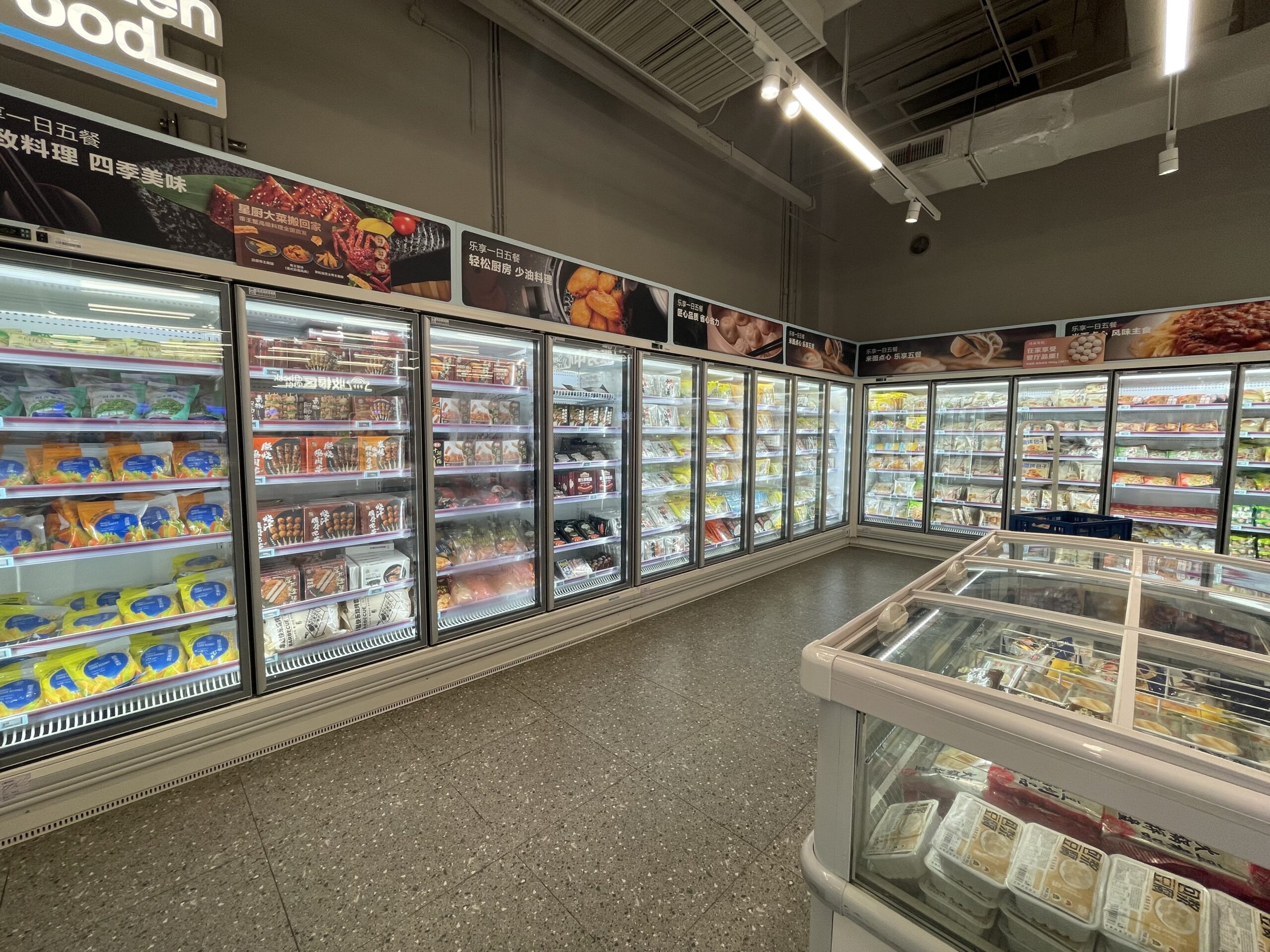
For a long time, competition in the commercial refrigeration industry focused mainly on technical indicators such as cooling capacity, temperature stability, compressor efficiency, and insulation structure. These factors remain important — but today, they have largely become industry standards.
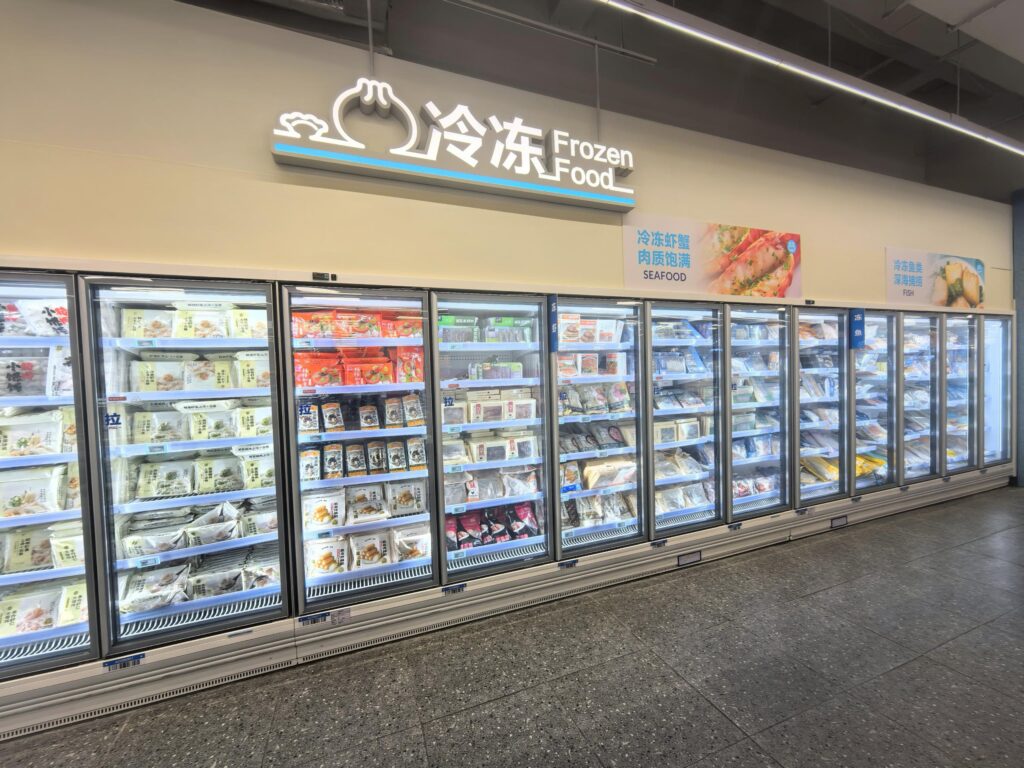
As the refrigerated display cabinet market matures, a clear reality has emerged: most freezers are already “good enough” in terms of basic refrigeration. True differentiation is now shifting toward sales performance. In this new context, refrigerated display lighting — once regarded as a simple accessory — is rapidly evolving into a key factor that influences product presentation, consumer purchasing decisions, operating costs, and brand image. Modern display freezers are no longer just storage equipment; they are becoming sales tools.

Сатузо-влаклан, a freezer must not only preserve freshness, but also:
- Enhance product visibility
- Convey freshness and quality at first glance
- Maintain consistent merchandising standards
- Align with overall store design and brand identity
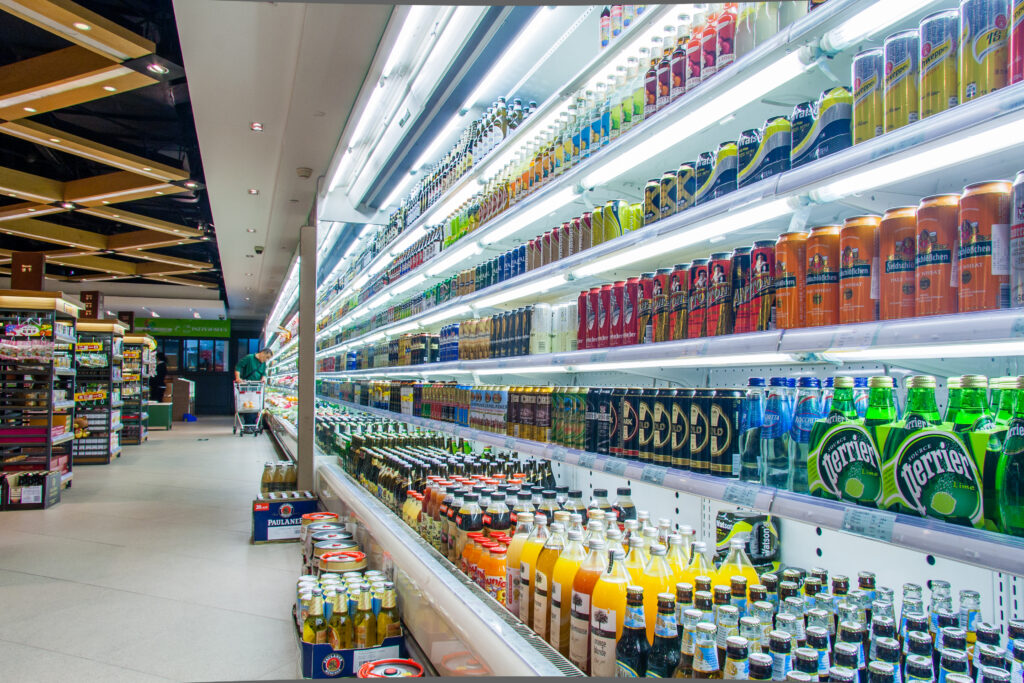
Lighting is one of the most powerful tools to achieve these goals. Poor illumination, uneven brightness, or inaccurate color rendering can make products appear dull or less fresh — directly reducing their appeal and negatively affecting buying decisions. Вашталтышым пуртымо, professionally designed LED lighting systems with high color rendering and optimized optics make the same products appear fresher, brighter, and more premium. Uniform light distribution reduces dark zones inside the cabinet, improves visual comfort, and elevates the overall appearance of the freezer.
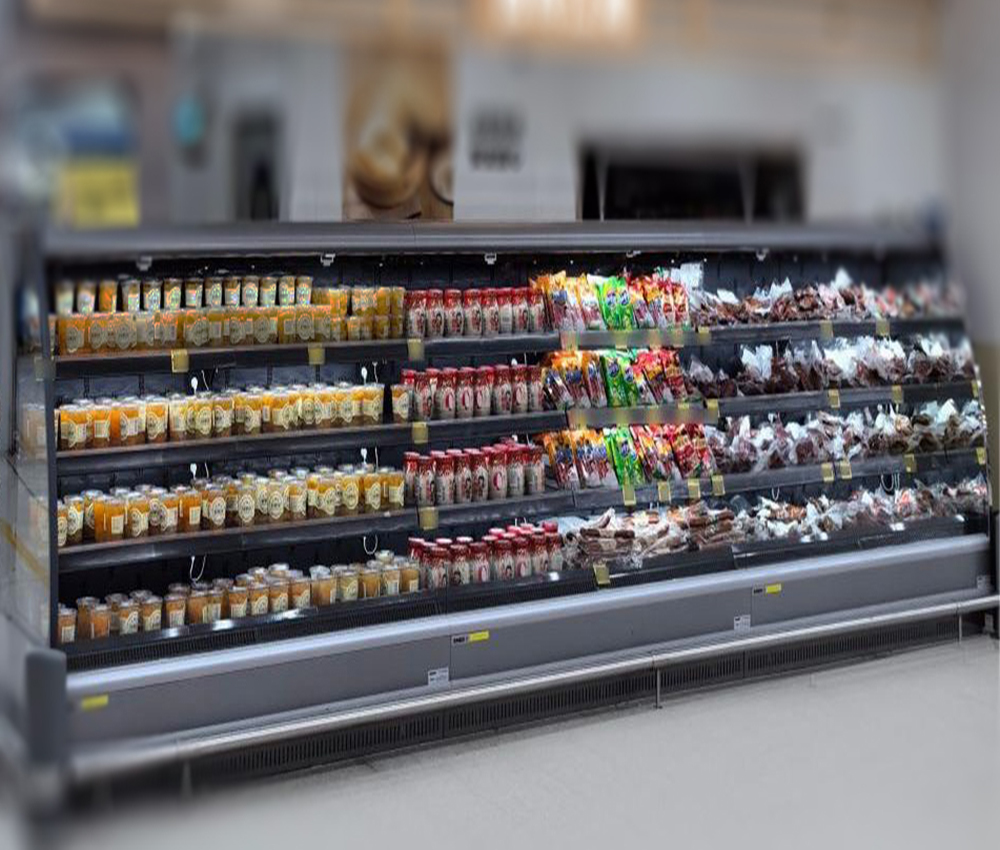
How Display Lighting Influences Consumer Purchase Decisions
In refrigerated zones — where decision-making time is extremely short — lighting has a direct and measurable impact on conversion rates. In supermarkets and convenience stores, consumers typically make purchasing decisions in the cold aisle within only a few seconds. This behavior is driven by several factors:
- Low thermal comfort in cold environments
- Highly standardized product assortments
- Predominantly planned purchasing behavior
Because shoppers prefer to complete their selection quickly and leave the cold area, they rarely compare products for long periods. Лектыш, whether a product attracts attention immediately becomes the determining factor. Multiple studies and retail observations show that lighting parameters inside refrigerated display cabinets — including brightness, uniformity, and color rendering — directly affect:
- Product visibility
- Perceived freshness
- Quality perception
- Purchase likelihood
Well-designed refrigerated display lighting not only improves visual merchandising but also significantly increases the chance that a product is chosen within the shopper’s limited decision window.

Key Lighting Factors That Shape Consumer Behavior
Because refrigerated environments include glass doors, condensation, reflections, and varying viewing angles, lighting quality becomes even more critical.
1. Brightness and Uniformity
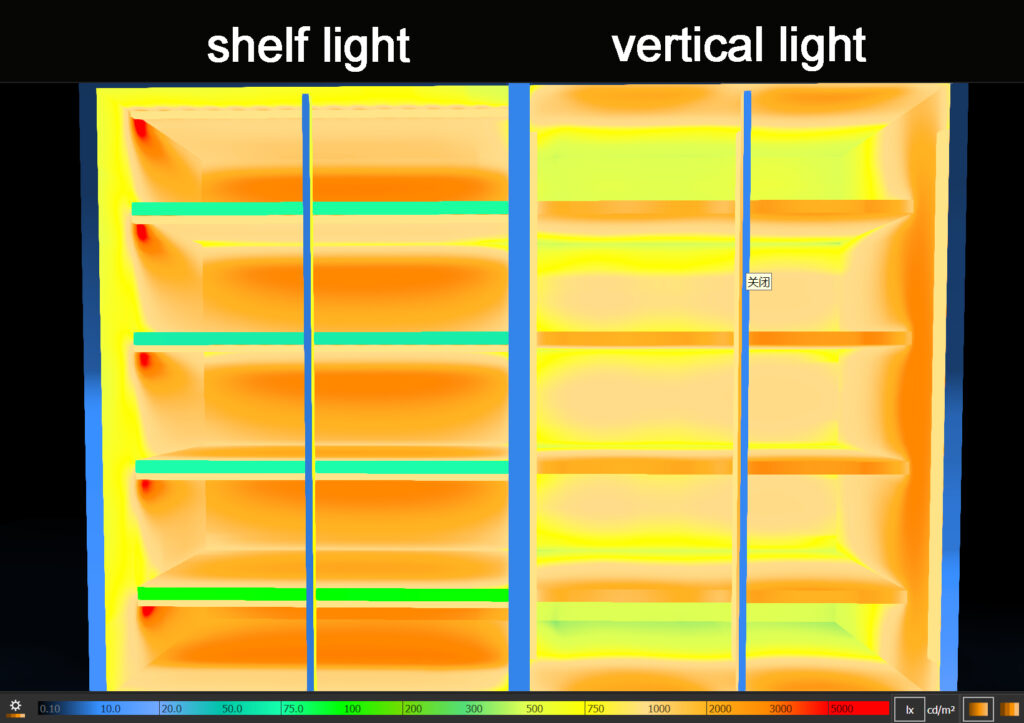
Insufficient or uneven lighting reduces product recognition and causes visual fatigue. Only uniform illumination across all shelves can prevent the common issue of “only the middle shelf sells well.”
2. Тӱсым ончыктышо индекс (CRI) and Color Temperature
High-CRI LED lighting accurately reproduces food colors, making products look natural and appealing. Proper color temperature selection enhances the freshness perception of dairy products, beverages, meat, and frozen foods.
3. Glare Control and Shadow Reduction
Optimized lamp positioning and optical design minimize reflections on glass doors and reduce shadows, ensuring clear visibility from different viewing angles.
In essence, lighting acts as a silent salesperson — working continuously, without rest.
Why Laidishine Refrigerated Display Lighting Makes a Difference
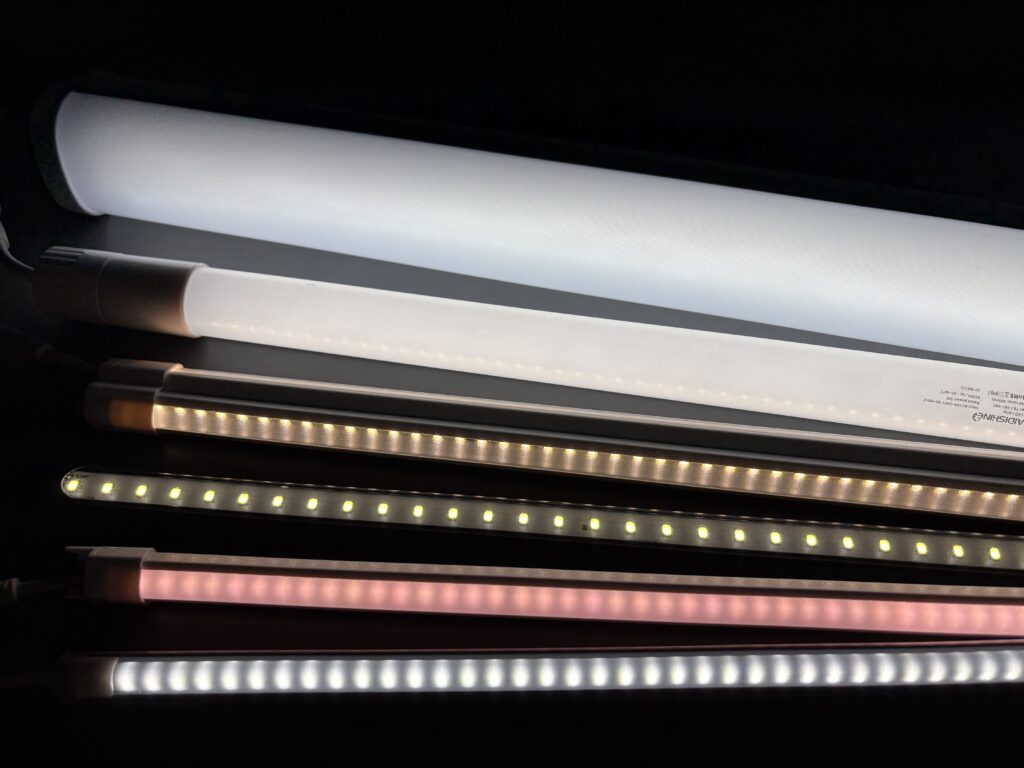
As refrigerated display cabinets evolve from simple cooling equipment into powerful merchandising tools, lighting performance has become a critical factor in both sales results and long-term operating costs. Laidishine develops refrigerated display lighting solutions specifically designed to meet the real-world demands of freezer manufacturers and retailers.
1. Тӱҥалына 70% Energy Savings Compared to Traditional Fluorescent Tubes
By replacing conventional fluorescent lighting with high-efficiency LED solutions, Laidishine helps reduce lighting energy consumption by nearly 70%. Lower power usage not only cuts electricity costs, but also reduces heat generation inside cabinets—helping refrigeration systems operate more efficiently.
2. Constant Current & Constant Voltage for Longer Lifespan
Laidishine adopts advanced IC driver technology that distributes current evenly to every LED chip. This constant current and constant voltage design minimizes electrical stress, significantly extending product lifespan and ensuring stable light output throughout years of operation.
3. Advanced Optical Lens Technology for Uniform Illumination
Our proprietary lens design ensures even light distribution across the entire display area, reducing harsh contrasts between bright and dark zones. The result is clearer product visibility, improved shelf uniformity, and a more professional in-store presentation.
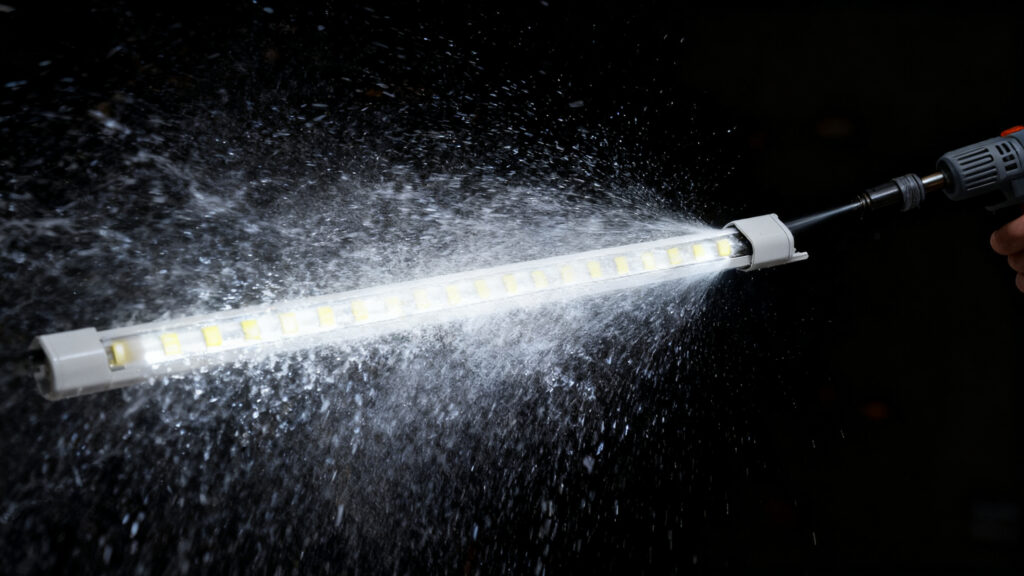
4. High Protection Ratings for Harsh Refrigerated Environments
Laidishine refrigerated lights are engineered for demanding conditions, offering IP65 жана IP67 protection levels. Selected models are specifically designed to resist condensation and moisture ingress, helping prevent premature failures and significantly lowering after-sales maintenance costs.
5. Flexible Configuration to Match Different Cabinet Designs.
To support diverse freezer designs and installation requirements, Laidishine offers multiple connector types, mounting brackets, and wiring harness options. This flexibility allows manufacturers to integrate lighting seamlessly into various cabinet structures without additional customization costs.
Why Refrigerator Manufacturers Can No Longer Ignore Lighting Systems
From a manufacturer’s perspective, lighting has historically been an afterthought, primarily driven by cost considerations. Бирок, this approach is rapidly becoming obsolete. More and more large retailers and chain customers are now explicitly specifying lighting parameters in their tender documents, demanding uniform brightness, тӱс температур, and lifespan standards, and incorporating lighting quality into the overall refrigerator evaluation system. If the lighting is poorly chosen, manufacturers will face higher after-sales maintenance and replacement costs. Customers may also attribute poor lighting effects to the refrigerator’s overall quality, potentially damaging the brand’s reputation in the long run and even leading to lost opportunities in high-end projects. Conversely, integrating high-quality, high-efficiency LED lighting as part of the overall refrigerator system design not only enhances the aesthetics of the refrigerator but also improves its overall performance during use. In the long run, high-quality refrigerator lighting reduces long-term after-sales risks and better meets customer shopping experiences. Lighting has become an integral part of the commercial value of refrigerators.
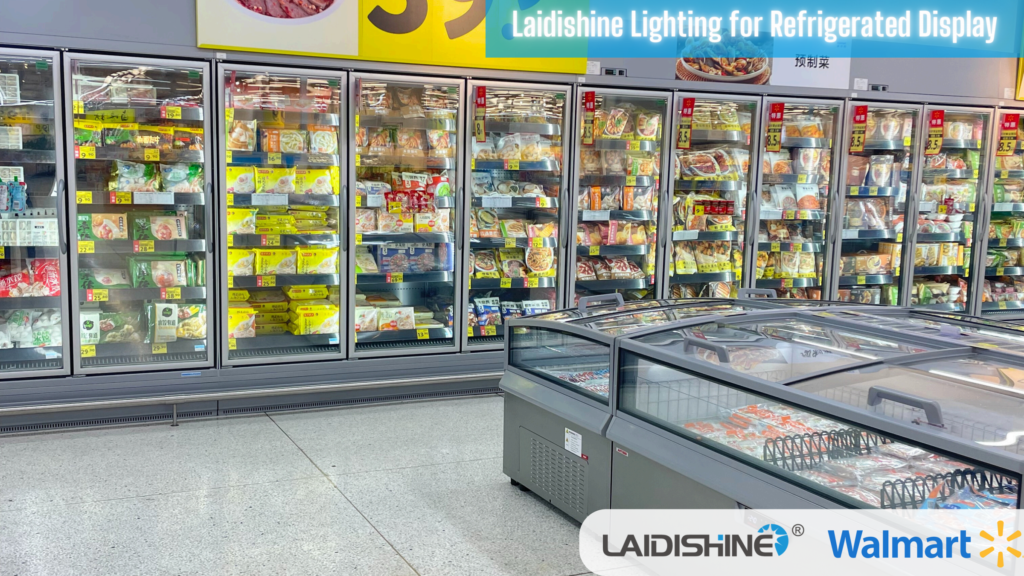
As the refrigeration performance of display cases becomes increasingly similar, the competitive advantage is shifting towards system integration capabilities. Lighting is one of the most easily underestimated, yet most cost-effective, areas for upgrades. Manufacturers who proactively prioritize lighting are transforming from “equipment suppliers” чейин “solution partners,” and retailers can, through better display systems, allow display cases to truly participate in the sales process.
The rapid development of the commercial refrigeration market is reshaping industry standards. Today’s competition is no longer just about whether the refrigeration works. Refrigerated display lighting is becoming a core competitive element connecting manufacturing, көрсөтүү, and retail strategies. For refrigerator manufacturers and retailers, the real question is no longer “should we prioritize lighting,” but rather, is the lighting correctly designed, appropriately selected, and deeply integrated? This will determine who will stand out in the market in the future.