Comprendere la realtà termica dietro ogni Watt
In vetrine refrigerate commerciali, l'illuminazione è spesso discussa in termini di luminosità, resa cromatica, o impatto sul merchandising. Eppure dal punto di vista ingegneristico, l’illuminazione gioca un ruolo molto più critico: influenza direttamente il carico termico del sistema di refrigerazione.
Per i produttori OEM, ingegneri della refrigerazione, e progettisti di sistemi, un fatto resta fondamentale:
Ogni watt di illuminazione installato all'interno di una vetrina refrigerata diventa calore che deve essere rimosso dal sistema di refrigerazione.
Questa non è un'interpretazione di marketing. Si tratta di termodinamica di base e influisce direttamente sul dimensionamento del compressore, consumo energetico, stabilità della temperatura, e l’efficienza del sistema a lungo termine.
1. Illuminazione all'interno del confine di raffreddamento: Perché è importante
In un ambiente da supermercato, le luci a soffitto si illuminano dall'esterno dell'involucro di refrigerazione. Il loro calore si dissipa nell'aria ambiente del deposito.
Ma l’illuminazione dei display refrigerati è diversa.
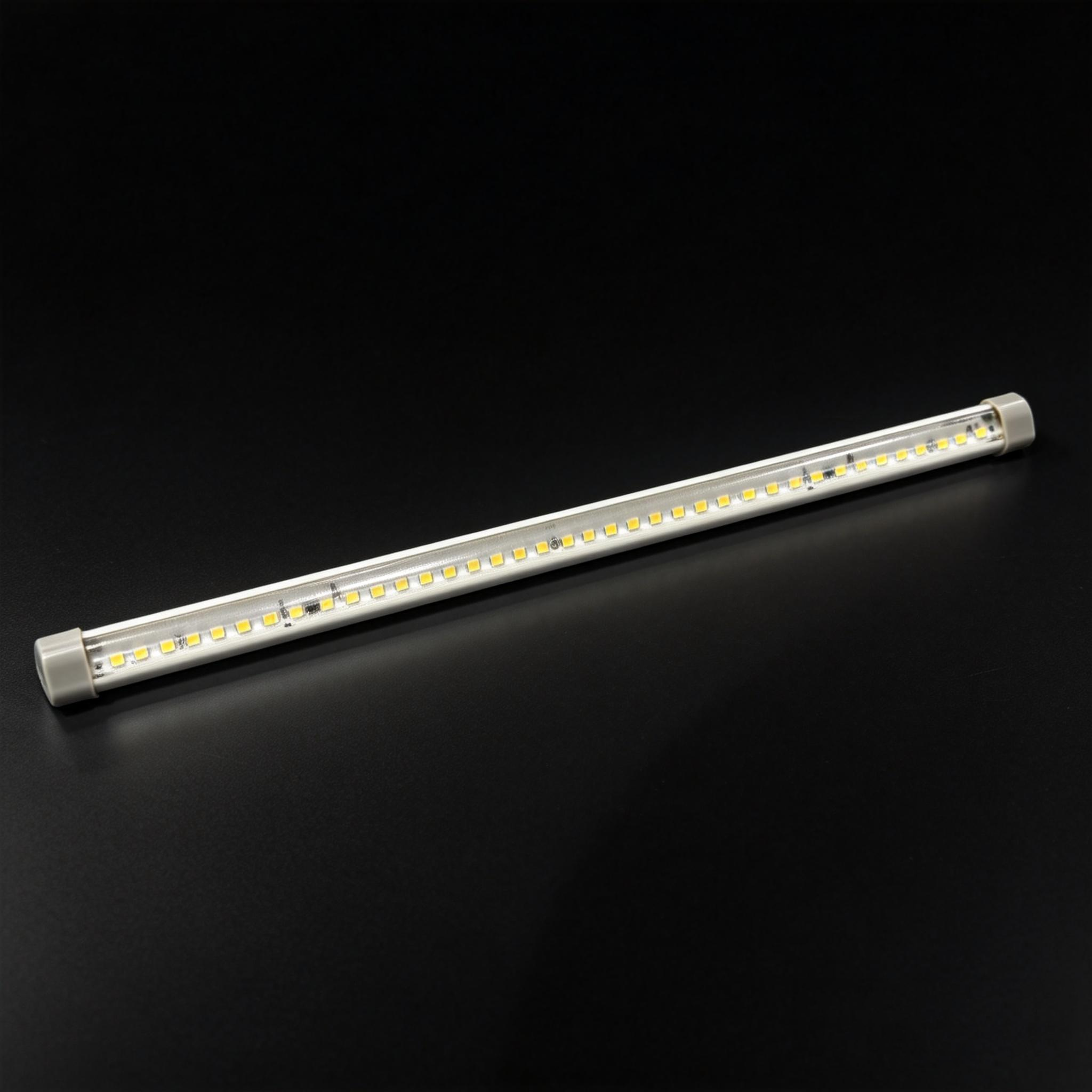
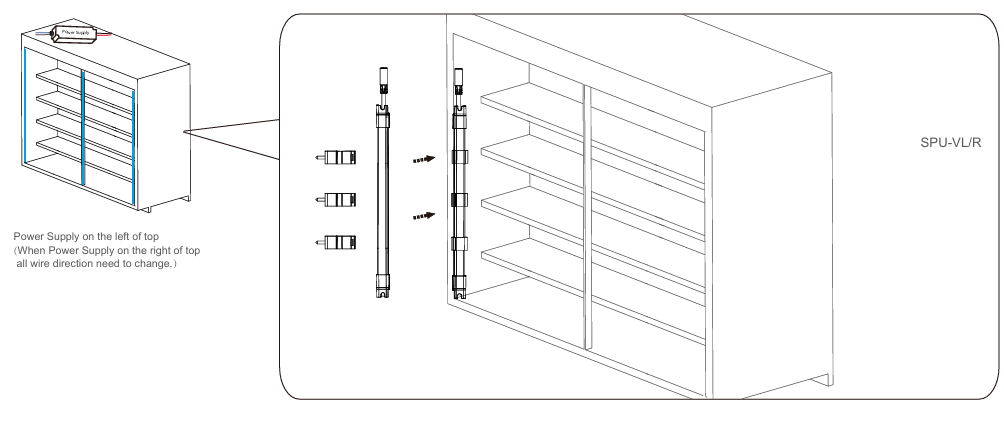
Moduli LED, autisti, parentesi, e le lenti sono installate all'interno dell'armadio isolato, entro il limite di raffreddamento definito. Ciò significa:
- L'energia elettrica entra nello spazio refrigerato
- Quasi tutto si converte in energia termica
- Quel calore deve essere continuamente estratto
Dal punto di vista fisico:
Energia elettrica → Energia termica → Rimozione della refrigerazione
Non c'è watt “libero” all'interno di una vetrina refrigerata.
2. La relazione termodinamica
La relazione è semplice:
Dove:
- Q = Calore aggiunto allo spazio refrigerato (W)
- P = Potenza elettrica assorbita dal sistema di illuminazione (W)
In pratica, 95–Il 100% della potenza dell'illuminazione LED si trasforma in calore all'interno del mobile, a seconda di:
- Posizione dell'autista (interno vs esterno)
- Efficienza del dissipatore di calore
- Progettazione ottica
- Gestione del flusso d'aria
Anche LED altamente efficienti (160 lm/W o superiore) convertono ancora la maggior parte della potenza in ingresso in calore. L'efficienza luminosa migliora la resa visiva, ma non elimina il carico termico.
Ecco perché la progettazione illuminotecnica è inseparabile dalla progettazione della refrigerazione.
3. Cosa significa questo per i produttori OEM
Per i produttori di vetrine, influenze sulla potenza luminosa:
- Autonomia del compressore
- Carico dell'evaporatore
- Frequenza di sbrinamento
- Tempo di abbassamento del mobile
- Fluttuazioni della temperatura vicino alle superfici del prodotto
Una differenza di 20–40 watt per cabinet può sembrare piccola, ma è sostanziale:
- 50 casse in un supermercato
- 500 casi in una catena di ipermercati
- Migliaia di unità durante il lancio del marchio
Il carico cumulativo di refrigerazione diventa significativo.
Questo è il motivo per cui i principali OEM valutano sempre più l’illuminazione non solo in base alla luminosità, ma anche in base al contributo termico per metro lineare.
4. Esempio pratico di ingegneria
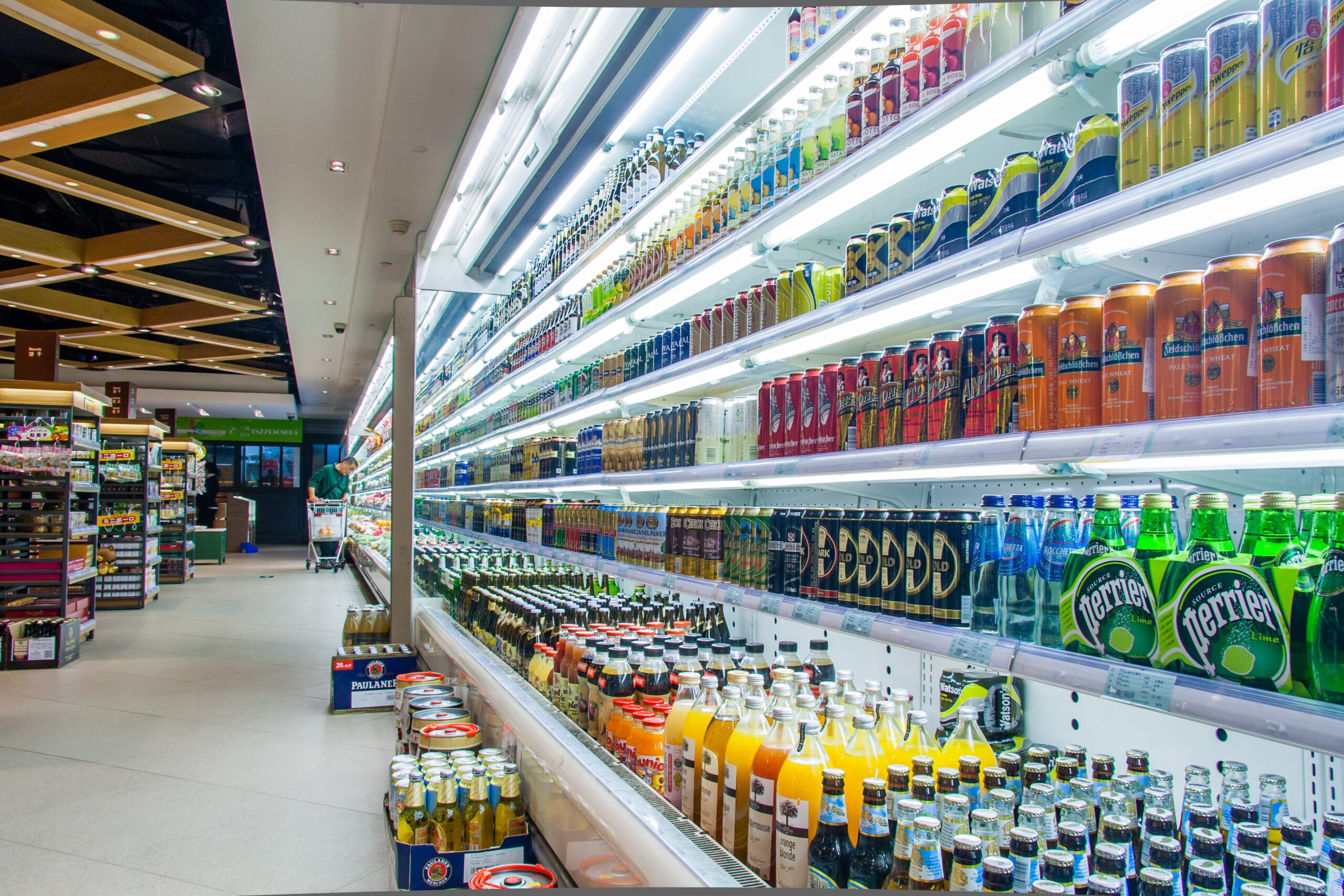
Prendi in considerazione un congelatore verticale con porta in vetro a più piani:
| Articolo | Caso A | Caso B |
|---|---|---|
| Potenza luminosa | 60 W | 35 W |
| Calore giornaliero aggiunto | 1.44 kWh | 0.84 kWh |
| Carico termico annuale | 525 kWh | 307 kWh |
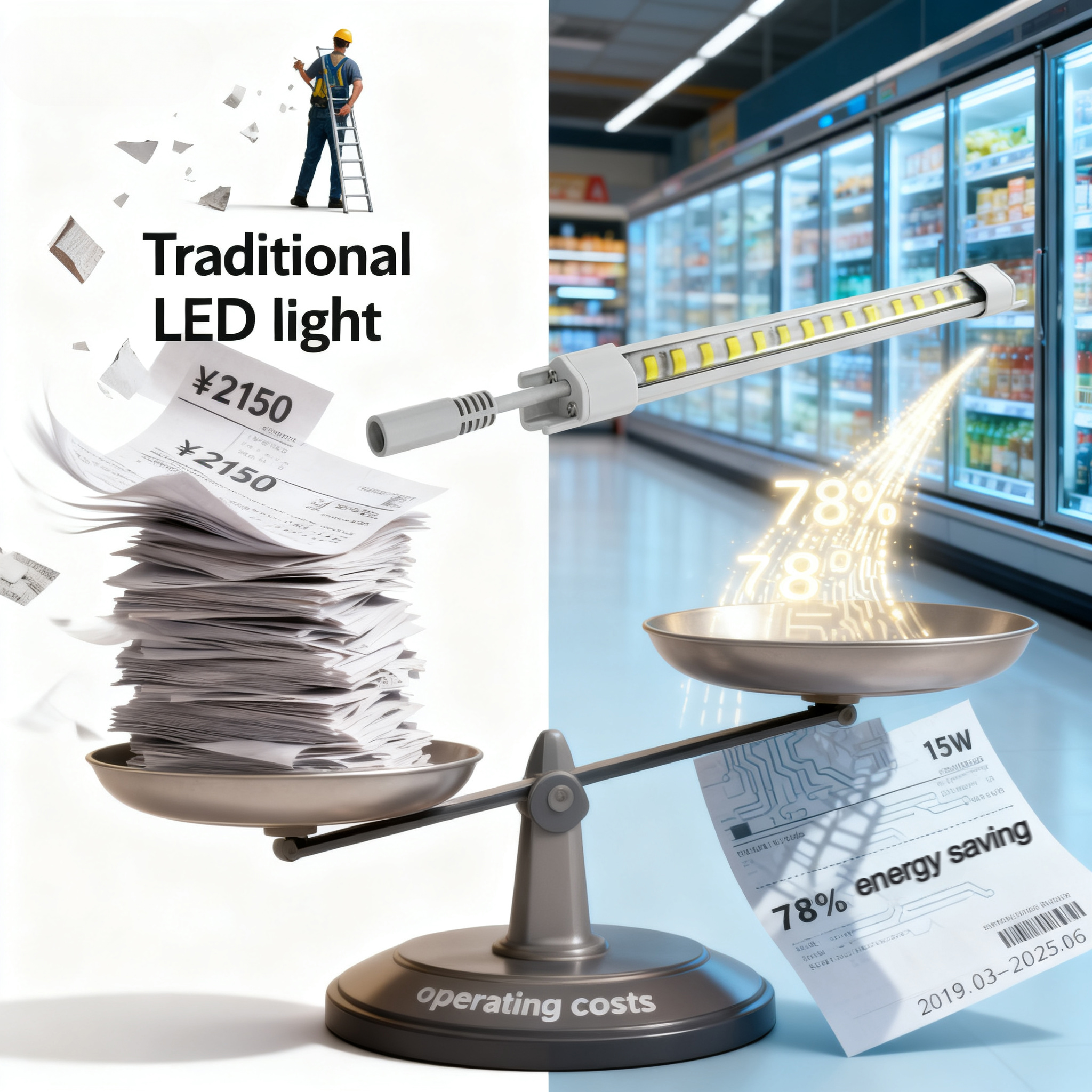
Quello 25 La riduzione di W salva 200 kWh per cassa all'anno nella rimozione della refrigerazione.
Moltiplicare questo per un'installazione di 200 casi, e la differenza energetica diventa operativamente significativa.
5. Oltre la potenza: Questioni di distribuzione termica
Non tutti i sistemi di illuminazione trasferiscono il calore allo stesso modo.
I fattori chiave includono:
- Angolo dell'obiettivo e controllo ottico
- Design a montaggio superficiale o a incasso
- Dissipazione del calore del profilo in alluminio
- Separazione dei conducenti
- Posizionamento rispetto ai canali del flusso d'aria
A Laidishine, i sistemi di illuminazione sono progettati specificamente per ambienti refrigerati, non adattati agli apparecchi di vendita al dettaglio generali.
Per esempio:
- La nostra serie SPU è progettata con percorsi termici ottimizzati
- I sistemi DC24V riducono il calore interno del driver
- La sigillatura IP65 mantiene la stabilità termica in ambienti umidi
- Il controllo ottico riduce al minimo il riscaldamento radiante non necessario verso i prodotti
L’obiettivo non è solo una potenza inferiore, ma anche un comportamento termico controllato.
6. Perché questo sta diventando più importante
Oggi, rivenditori e partner OEM sono sottoposti a crescenti pressioni:
- Rispettare le normative energetiche (DOE, Ecoprogettazione UE)
- Migliorare le prestazioni ESG
- Ridurre il ciclo del compressore
- Mantenere la temperatura del cibo costante
L’illuminazione può supportare questi obiettivi o indebolirli silenziosamente.
I produttori lungimiranti ora trattano l’illuminazione come un componente di refrigerazione, non un accessorio decorativo.
7. Il punto strategico
Per OEM di vetrine refrigerate:
- Ogni watt di illuminazione deve essere incluso nei calcoli del carico di refrigerazione
- Una potenza collegata inferiore riduce la richiesta del compressore
- Il corretto design ottico e termico protegge la stabilità della temperatura
- Le decisioni sull’illuminazione influiscono sulle prestazioni energetiche a lungo termine
A Laidishine, collaboriamo con gli ingegneri della refrigerazione nelle prime fasi dello sviluppo dell'armadio per garantire l'integrazione termica dell'illuminazione, meccanicamente, e otticamente, senza aggiungere carico inutile.
Perché nella progettazione della refrigerazione, ogni watt conta.
Altre parti di lettura 2: https://www.laidishine.com/what-ashrae-and-industry-standards-really-say-about-lighting-in-refrigerated-cases/
-1-scaled.jpg)