
Risoluzione dei problemi, Soluzioni, and Safety Maintenance Guide
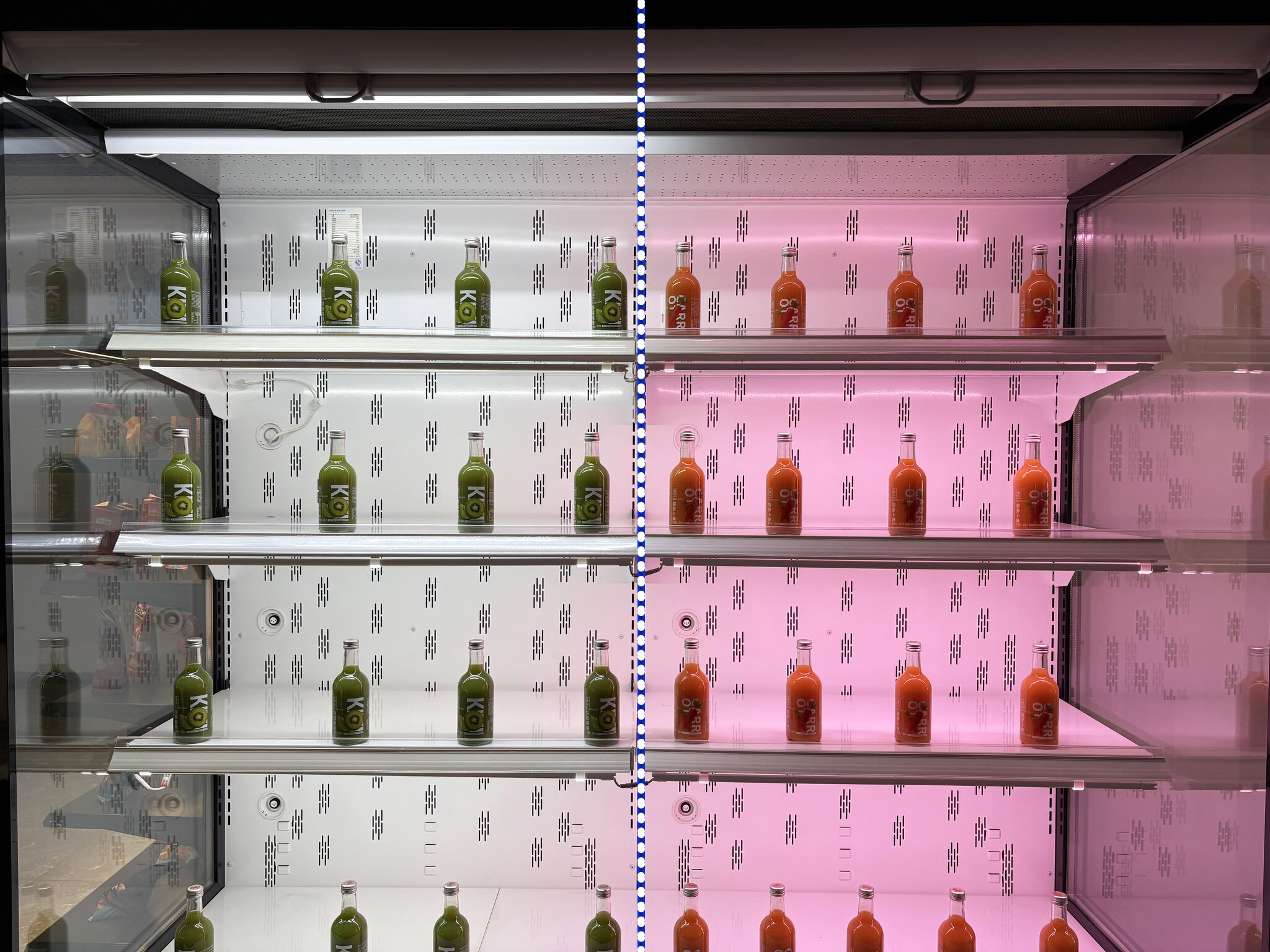
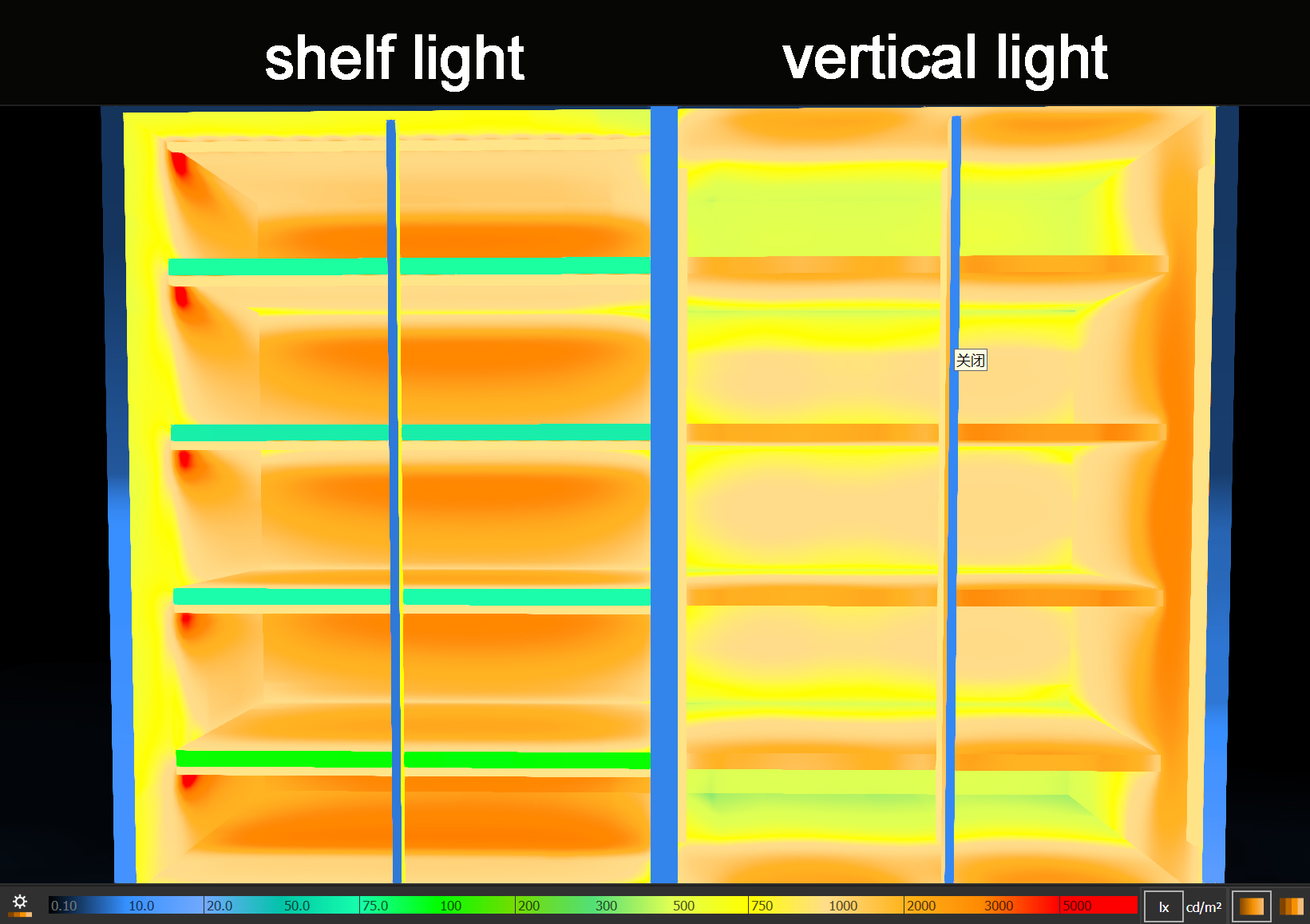
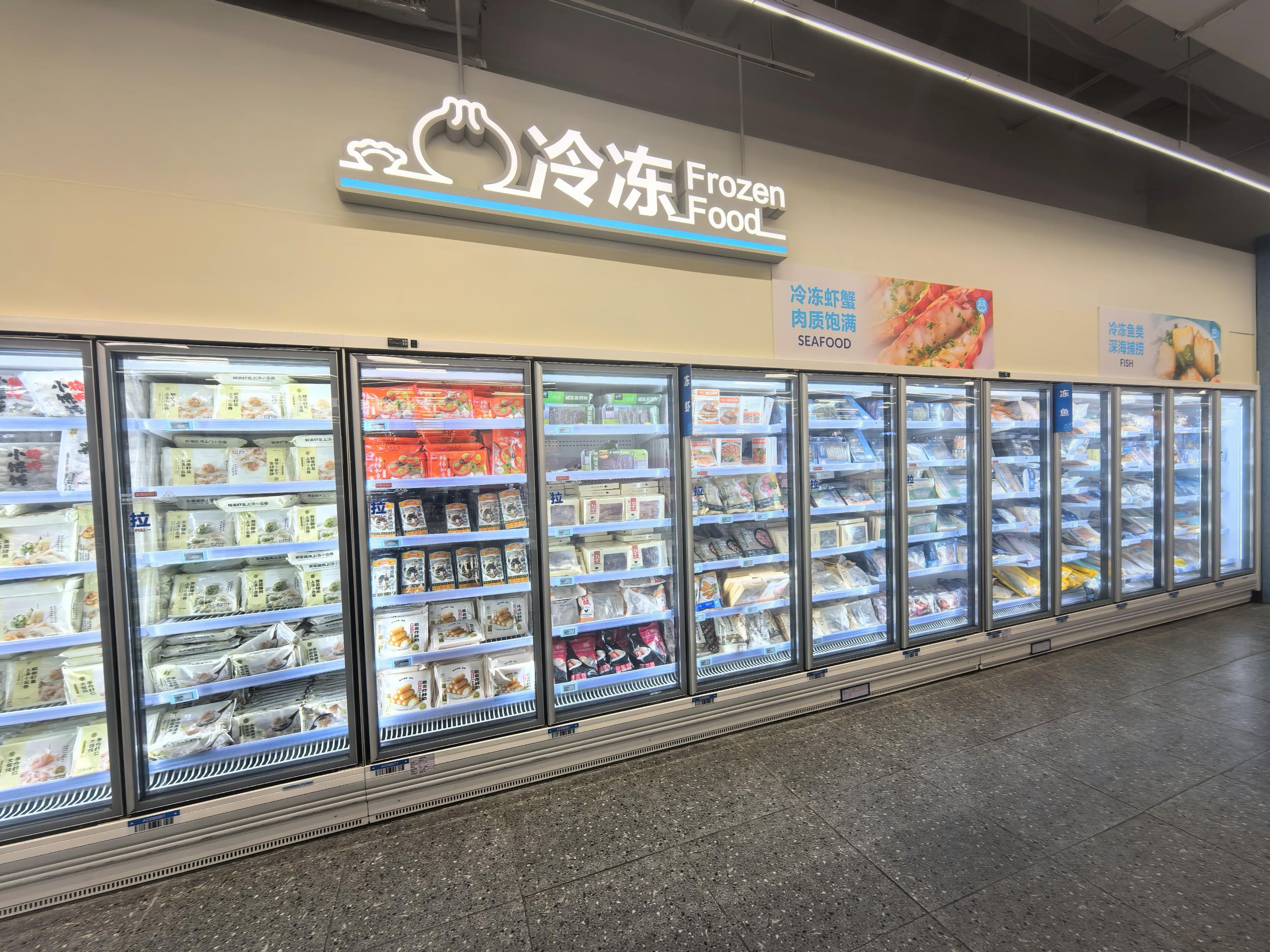
In commercial settings, le luci sugli scaffali svolgono un ruolo cruciale nell'esposizione dei prodotti e nel miglioramento dell'esperienza di acquisto. Tuttavia, during actual use, various issues may arise with shelf lights, affecting their normal lighting performance. This article will provide a detailed introduction to common problems with shelf lights, analyze their causes, and offer corresponding solutions.
1. Abnormal Brightness Issues
(IO) Uneven Overall Brightness
When multiple shelf lights are connected in series, if there is uneven overall brightness, with the lights getting dimmer towards the end, the main reason lies in the fact that the connection length of the lamps exceeds the appropriate range. Generalmente, when the connection length of the lamps exceeds 7 metri, such uneven brightness issues are prone to occur.
Soluzioni: There are two ways to handle this situation. Primo, disconnect the portion of the lights that exceeds 7 metri. After disconnection, the brightness of the lights usually returns to normal. Secondo, adopt a method of parallel connection to the conductive trough. It is recommended that the lights on each layer be connected in parallel. This ensures an even distribution of current, resulting in consistent brightness across the lamps.
(II) Insufficient Local Brightness
When all the shelf lights are turned on, if only certain local areas remain unlit, this is primarily caused by poor contact or a lack of power supply to the lights.
Soluzioni: Handling such issues is relatively straightforward. Simply re-plug the unlit lights to ensure good contact between the lights and the conductive trough, thereby restoring illumination.
II. Problem of Specific Shelf Lights Not Illuminating
When all shelf lights are powered on, but the lights on the first shelf fail to light up normally, the issue usually stems from poor contact at the point where electricity enters. The main reasons are as follows:
(IO) Poor Contact of the Clip in the Conductive Trough
If the clip inside the conductive trough is not installed properly, it will prevent the normal transmission of current to the lights on the first shelf.
Solution: Reinstall the clip in place to ensure a tight connection with the conductive trough, guaranteeing the smooth flow of current.
(II) Poor Contact of the Connecting Wire
If the clip has been installed correctly but the lights on the first shelf still do not illuminate, there may be poor contact between the connecting wire of the conductive trough clip and the lamp tube.
Solution: Reinstall the connecting wire and check to ensure a secure connection, so that current can be smoothly transmitted from the conductive trough to the lamp tube.
III. Problem of an Entire Set of Shelf Lights Not Illuminating
(IO) Inspection of the Drive Power Supply
When an entire set of shelf lights fails to illuminate, the first step is to inspect the drive power supply. Check whether the indicator light on the drive power supply is lit normally, as this serves as an important basis for judging its operational status.
Indicator Light Off: If the indicator light on the drive power supply is not lit, it is necessary to check whether the incoming high-voltage wire terminal is properly connected. Ensure that the high-voltage wire is securely connected without any looseness or disconnection.
Indicator Light On: If the power supply indicator light is illuminated, further inspection is required to verify whether the connecting wire from the drive power supply to the conductive trough is correctly connected. It should be noted that the drive power supply is directly connected to high voltage, and this operation should be performed by professionals to ensure safety.
Indicator Light Green but Lights Still Off: When the indicator light on the drive power supply is green, yet the lights on the entire set of shelves remain unlit, there may be poor contact in the wire connecting the drive power supply to the conductive trough.
Solution: Reconnect the wire with a poor contact to ensure a tight connection and restore current transmission.
IV. Problem of an Entire Set of Shelf Lights Flickering
(IO) Insufficient Power Supply Capacity
If an entire set of shelf lights flickers, the primary reason is that the total power consumption of the lamps exceeds the output power of the power supply, commonly known as the power supply being too small to handle the load of so many lamps.
New Store Scenario: If a new store encounters this issue, it may be due to the installation of an incorrect drive power supply.
Solution: It is necessary to check the renovation drawings with the salesperson to confirm whether the specifications of the drive power supply meet the requirements and replace it with an appropriate one.
Excessive Lamps Connected: Connecting too many lamps to the same power supply can also result in insufficient power supply capacity.
Solution: Disconnect the excess lamps and reasonably allocate the number of lamps to ensure that the power supply capacity can meet the demand.
Aging Drive Power Supply: If the store has been in operation for a long time, the drive power supply may have aged.
Solution: Contact the salesperson to replace the drive power supply with a new one to ensure the normal operation of the shelf lights.
V. Problem of Exposed Wire Ends
During the daily process of organizing goods, it may happen that the wire end at one side of a shelf light becomes exposed. Although we use a 24V safe voltage that poses no risk of electric shock, the exposed wire ends may still cause psychological unease for customers.
Solution: For the sake of safety and aesthetics, wrap the exposed wire ends with electrical tape and then tuck them inside the shelf. This not only eliminates customers’ safety concerns but also maintains the overall neat appearance of the shelf.
In summary, various issues may arise during the use of shelf lights. Tuttavia, as long as we master the correct troubleshooting and resolution methods, we can promptly restore their normal lighting performance. Allo stesso tempo, paying attention to safety maintenance can provide customers with a safe and comfortable shopping environment. It is hoped that the content introduced in this article can offer valuable references for the management and maintenance of shelf lights in commercial settings.