Confrères pairs de l’industrie de l’éclairage, as-tu déjà rencontré cette situation:
Les tests en laboratoire sur les prototypes se déroulent parfaitement, et la production en petits lots ne présente aucun problème. Pourtant, une fois la production de masse lancée, une couleur incohérente apparaît parmi les perles LED. Des taches blanc froid apparaissent sous un éclairage blanc chaud, ce qui entraîne une couleur de lumière globale inégale et désordonnée.
La plupart des usines soupçonnent d’abord des dysfonctionnements de la chaîne de production ou une mauvaise manipulation de l’opérateur., mais c'est rarement la vraie cause. La grande majorité des incohérences de couleur des LED d’un lot à l’autre ne proviennent pas d’une détérioration soudaine des processus de fabrication.. Plutôt, cela provient de normes de test de pré-production insuffisantes et d'un mauvais contrôle des paramètres photométriques critiques.
De nombreux fabricants vérifient uniquement si les LED s'allument, vérifier simplement le flux lumineux, tout en ignorant complètement les mesures de base qui régissent la cohérence des couleurs: température de couleur, coordonnées de chromaticité, tolérance des couleurs et indice de rendu des couleurs. C'est la cause première des variations de couleur au sein d'un même lot de luminaires LED..
Quatre paramètres fondamentaux déterminant la cohérence des couleurs des LED
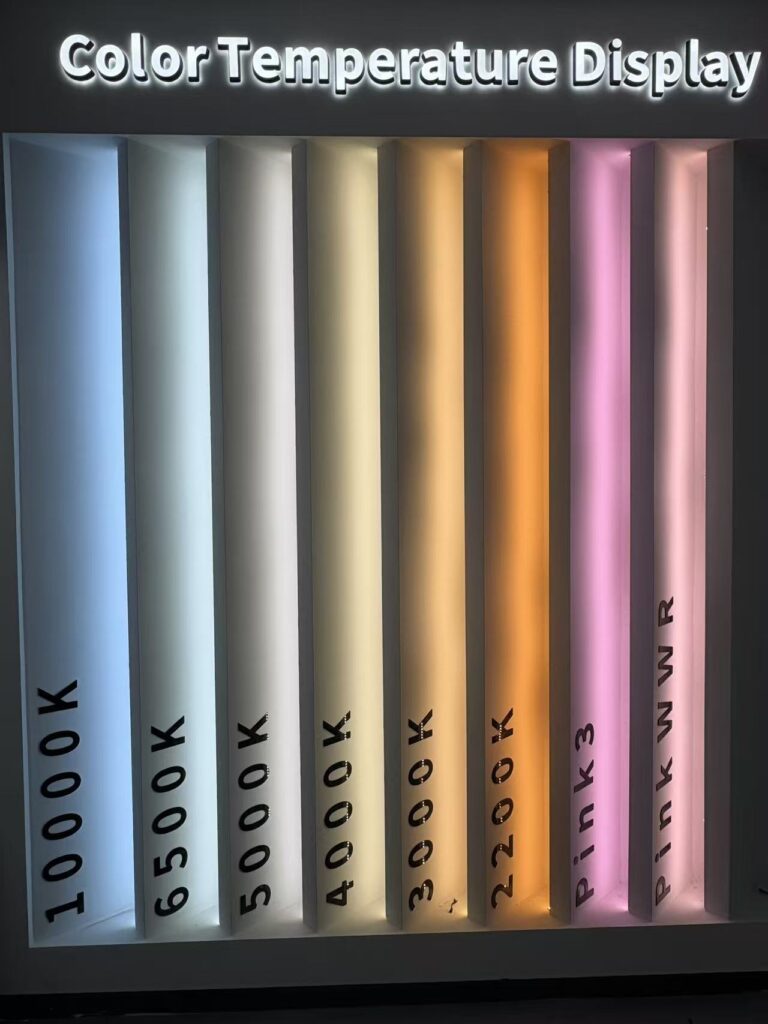
1. Température de couleur: Le ton de base de la lumière
La température de couleur définit si la lumière est jaune chaud ou blanc froid., et c'est la métrique visuelle la plus intuitive pour les utilisateurs finaux. Même une légère dérive de la température de couleur lors d'une production de masse peut ruiner l'uniformité des tons tout au long d'un cycle de production.. Lumière blanc chaud devenant froide, ou une lumière blanc neutre virant au jaune, sont des résultats typiques d’un contrôle lâche de la température de couleur. De minuscules écarts peuvent rendre les produits finis visiblement incohérents.
2. Coordonnées de chromaticité: L’« ID couleur » unique de la lumière
Si la température de couleur donne un ton général, les coordonnées chromatiques offrent un verrouillage précis des couleurs. Cette mesure clé mesure la précision des couleurs. L’œil humain peut détecter des changements de couleur, même à partir d’écarts aussi minimes que 0.001. Plaintes courantes telles que « teinte étrange », La « dominante gris terne » ou la « distorsion des couleurs » dans les luminaires sont essentiellement causées par une dérive des coordonnées chromatiques..
3. Flux lumineux: Le facteur caché amplifiant les différences de couleur
Le flux lumineux représente la luminosité. De nombreuses usines confirment uniquement les exigences minimales de luminosité tout en ignorant l'uniformité de la luminosité entre les unités.. Un flux lumineux inégal entre les perles LED amplifie les changements subtils de température de couleur et de coordonnées chromatiques.. Les perles plus brillantes peuvent paraître plus froides, les plus faibles sont les plus chauds, créant un effet visuel confus avec une alternance de luminosité et de dominantes de couleurs.
4. Indice de rendu des couleurs & Tolérance des couleurs: Gérer l'uniformité de la lumière et les performances de qualité supérieure
L'indice de rendu des couleurs (IRC) régit la fidélité des couleurs sous éclairage. La tolérance de couleur sert de mesure essentielle pour la cohérence des couleurs par lot et est essentielle pour le contrôle qualité des luminaires haut de gamme.. Dans l'industrie, les normes de production de masse haut de gamme maintiennent la tolérance des couleurs à ≤3 SDCM. Une tolérance de couleur plus petite offre une couleur plus uniforme, rendement lumineux stable et évite les marbrures, changements de teinte et éclairage inégal.

Instruments optiques: Outils essentiels pour résoudre les écarts de couleur des LED de production de masse
Les fabricants de LED professionnels sont équipés de systèmes de test de sphère intégrés. Ces instruments mesurent avec précision tous les paramètres photométriques et électriques: température de couleur, coordonnées de chromaticité, flux lumineux, IRC et tolérance des couleurs, couvrant toutes les exigences fondamentales en matière d'inspection de qualité des LED.
Avant la production de masse, effectuer des contrôles ponctuels ou des inspections complètes via des sphères d'intégration. Filtre strictement les perles LED avec une tolérance de couleur hors spécifications, dérive de température de couleur ou décalage de chromaticité, afin d'éliminer l'incohérence des couleurs des lots à la source.
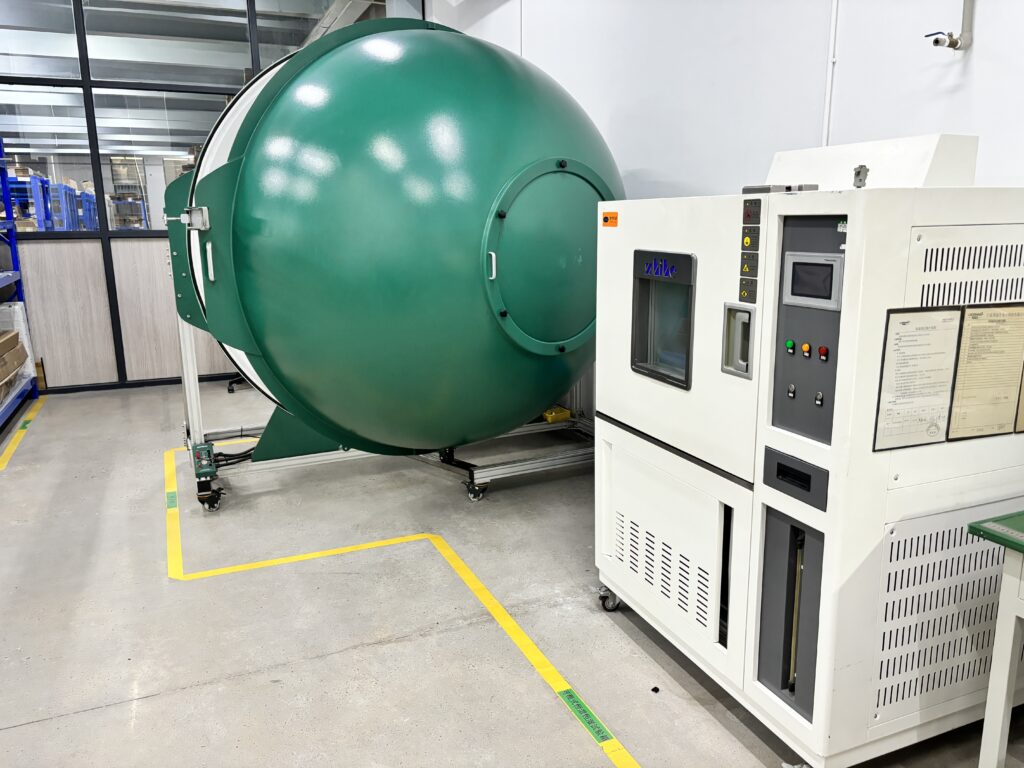
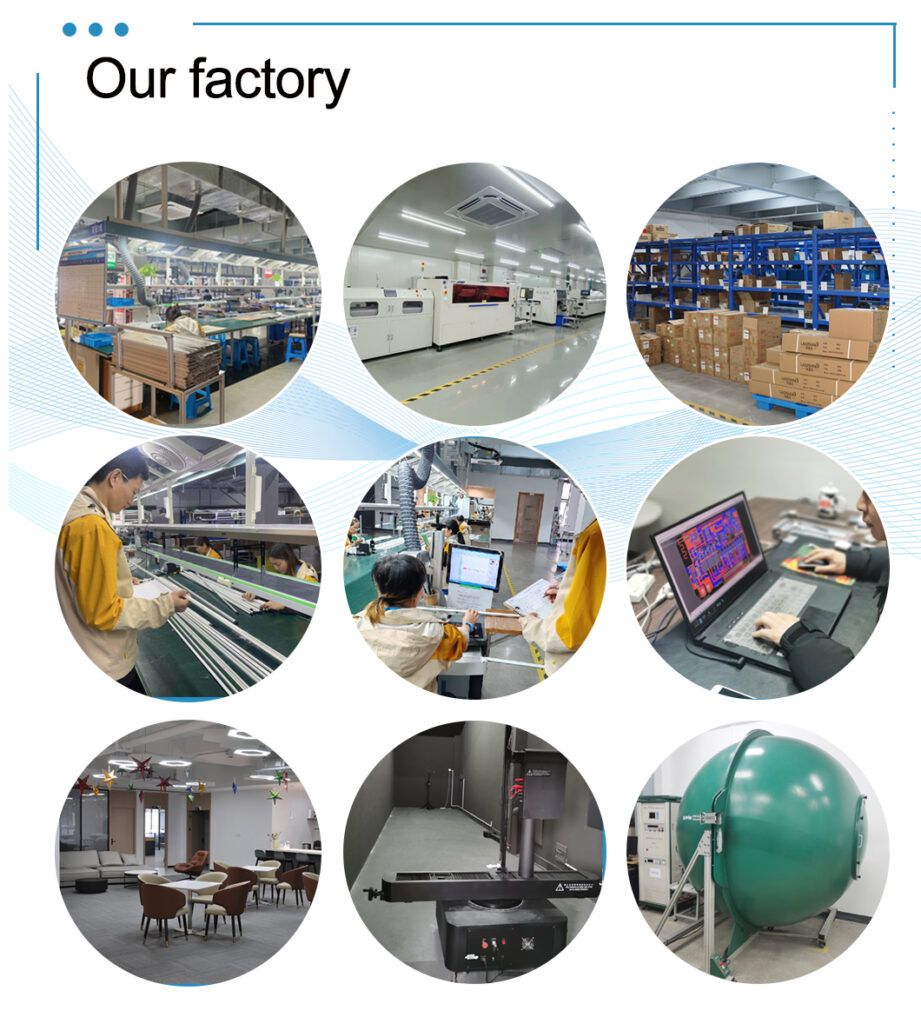
Avec 15 années d'expertise approfondie dans l'industrie de l'éclairage des congélateurs commerciaux, Ladishine s'engage à fournir des effets d'éclairage parfaits. Vérifier que les performances du produit répondent aux normes de conception, nous sommes équipés d'instruments optiques avancés et d'une gamme complète d'équipements expérimentaux de haute précision. Afin de fabriquer des produits avec une qualité stable et une cohérence élevée, Laidisheng a introduit et développé indépendamment des équipements de production et de test spécialisés. Chaque produit est soumis à des tests complets avant la production en série pour garantir une stabilité exceptionnelle et des performances fiables..
L’incohérence des couleurs des perles LED par lots n’est jamais une mauvaise chose dans la fabrication. C'est une conséquence inévitable de normes de contrôle de qualité inadéquates et de paramètres photométriques non contrôlés..
Pour les professionnels engagés dans la fabrication de LED, inspection de la qualité et approvisionnement: quelle métrique accordez-vous la priorité au contrôle qualité quotidien : flux lumineux, coordonnées de température de couleur ou de chromaticité? N'hésitez pas à nous contacter et à partager des informations sur l'industrie avec nous.