1. Refrigerated Display Lighting: Where Stability Matters More Than Ever
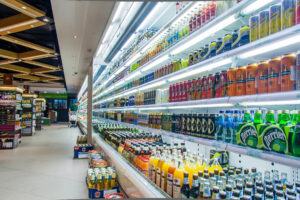
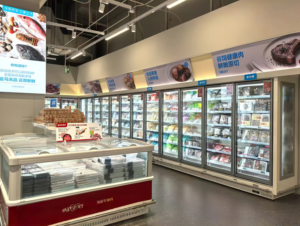
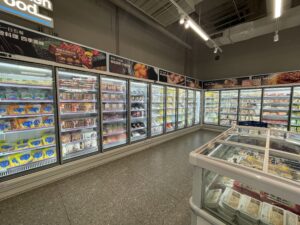
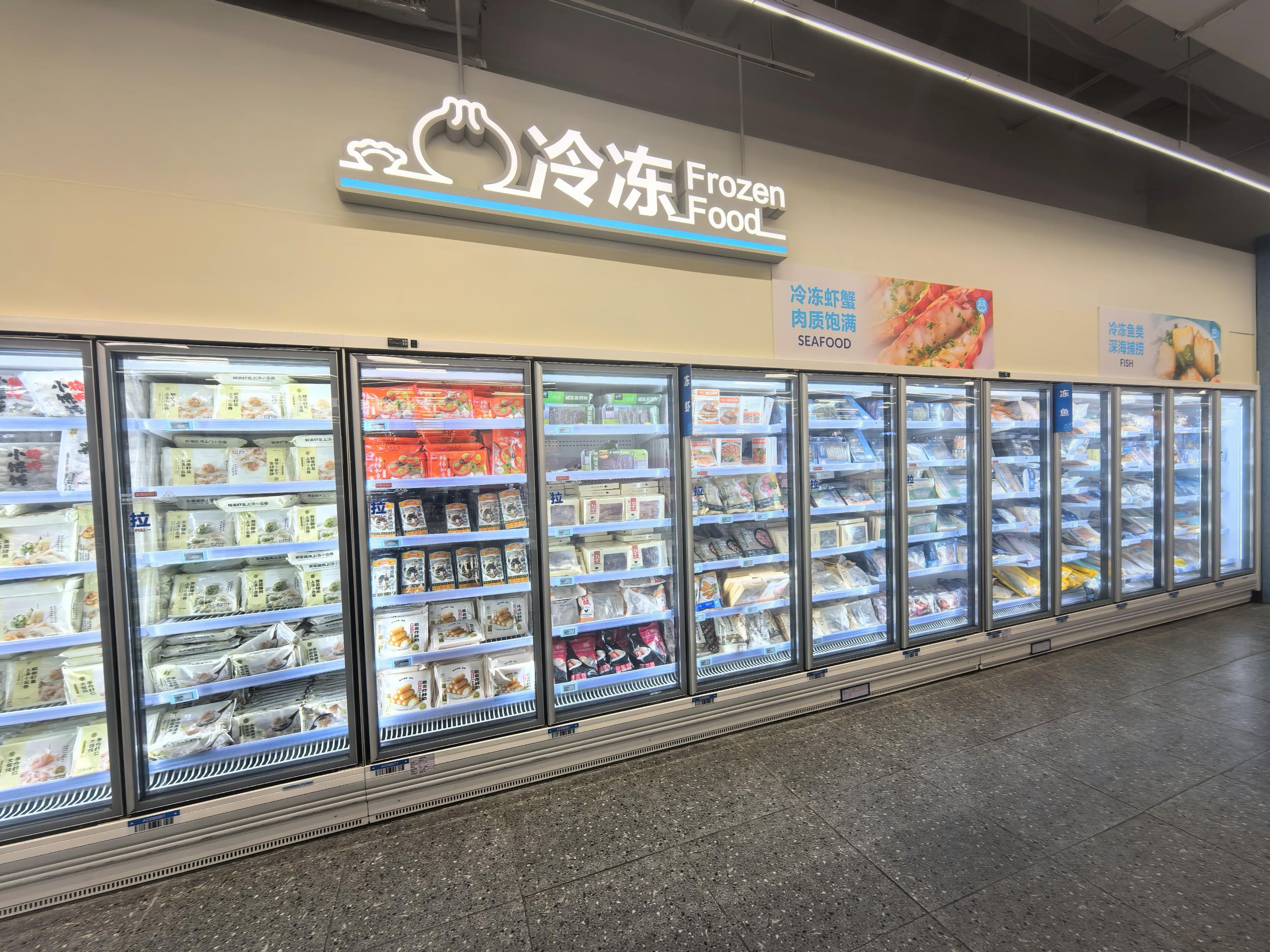
As the refrigerated display cabinet market continues to mature, the performance gap between cabinet manufacturers is gradually narrowing. Cooling efficiency, temperature control, and structural design have reached a relatively high and stable level across the industry. Como resultado, differentiation is increasingly shifting toward components and system-level details—where lighting plays a critical role. Lighting is not an optional accessory in refrigerated display cabinets. It directly affects product presentation, visual consistency, and the overall shopping experience. Refrigerated display LED lights are required to operate continuously for long hours in low-temperature and high-humidity environments. This places much higher demands on material reliability, manufacturing consistency, and long-term stability compared with general commercial lighting.
En un supermercado, the failure of a ceiling light may go largely unnoticed due to ambient lighting and redundancy. Sin embargo, when an LED tube inside a refrigerated display cabinet suddenly goes dark while a customer is selecting products, the impact is immediate and visible. The shopping experience is disrupted, the visual integrity of the display is compromised, and the perceived quality of the cabinet—and even the brand—can be negatively affected.

Por esta razón, lighting stability has become an increasingly important evaluation criterion in the refrigerated display industry. Reliable performance is not achieved by chance; it is the result of disciplined manufacturing systems and a stable supply foundation.
2. Warehouse Management: More Than Storage, Part of the Value Chain
In modern manufacturing, warehouse management is no longer just about storing materials. It is an integral part of the production, delivery, and customer service system.
A factory can only operate stably and predictably when materials are systematically organized. From production and assembly to packaging and shipment, a wide variety of materials are involved—electronic components, aluminum profiles, accessories, semi-finished products, and finished goods. Classifying these materials by type, material, and application, and clearly labeling them, allows warehouse personnel to quickly identify and pick the correct items.
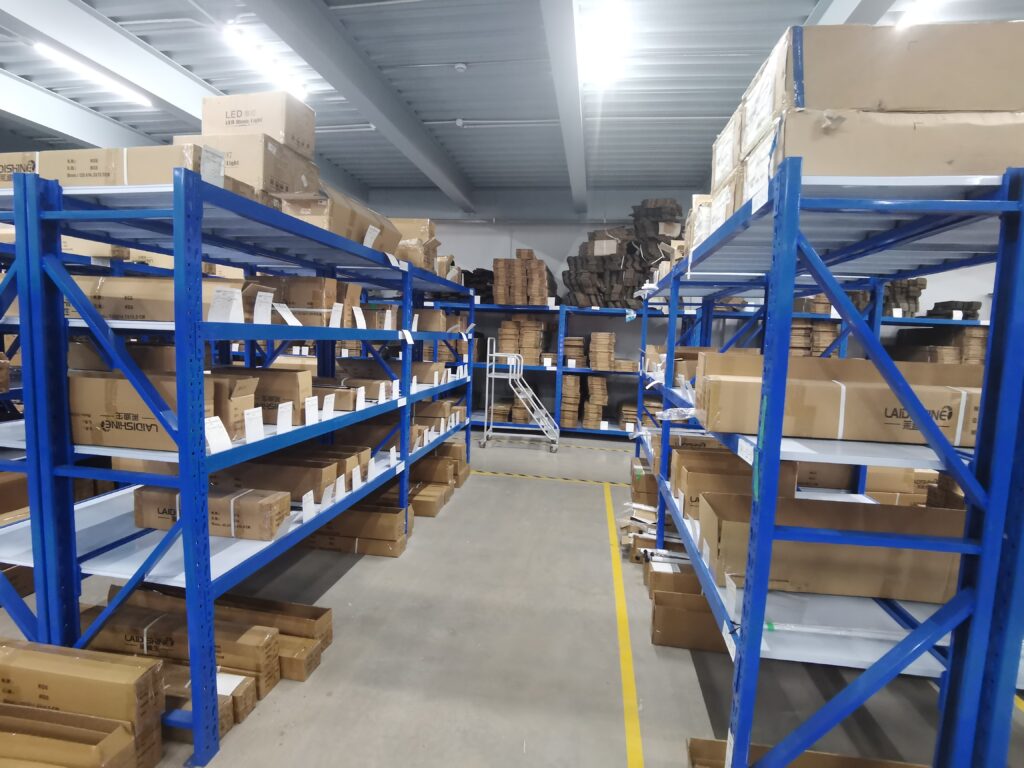
Efficient material picking reduces waiting time on the production line and improves manufacturing efficiency. Más importante, when materials are properly managed and visible, production planning becomes more reliable, and delivery commitments made to customers become more credible. From a customer’s perspective, strong warehouse management is not an internal process—it is a key factor behind consistent lead times and dependable supply.
3. Supporting Production Stability Through Structured Inventory Control
For manufacturing, material availability is the foundation of efficiency. Even the most advanced production lines cannot operate smoothly without a stable supply of components. Desde Laidishine, commonly used materials are managed through rolling replenishment planning. Key components such as LED chips, driver ICs, PCBs, and aluminum profiles are maintained with safety stock in the warehouse. This approach ensures that a single order can be produced from the same material batch, significantly reducing the risk of color deviation, electrical parameter fluctuations, and performance inconsistencies.
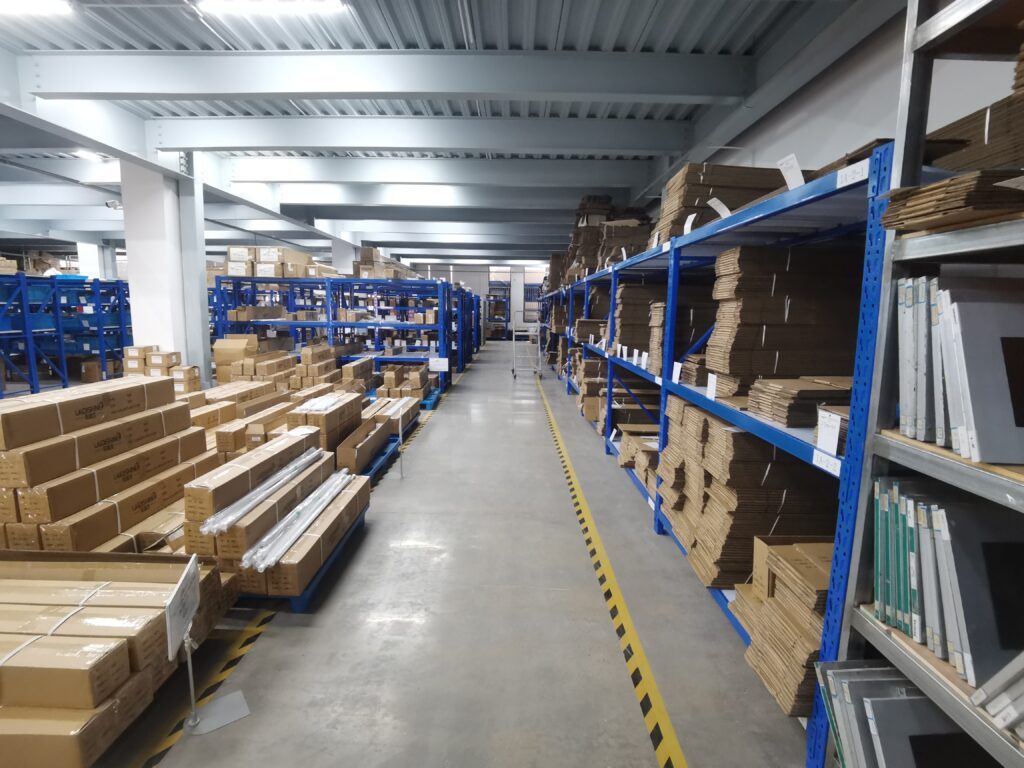
Regular inventory inspections are conducted not only to verify quantities but also to monitor storage duration. By tracking material age and usage status, first-in, first-out (FIFO) principles can be strictly applied. This prevents material aging and helps maintain stable performance throughout production. For non-standard or project-specific materials, limited advance stocking is arranged based on order forecasts. This allows production to start promptly upon order confirmation, making better use of production capacity and reducing unnecessary delays. Avoiding production stoppages caused by material shortages is not only about meeting delivery schedules—it also reflects the overall operational discipline of a manufacturing facility.
4. From Material Condition to Product Reliability
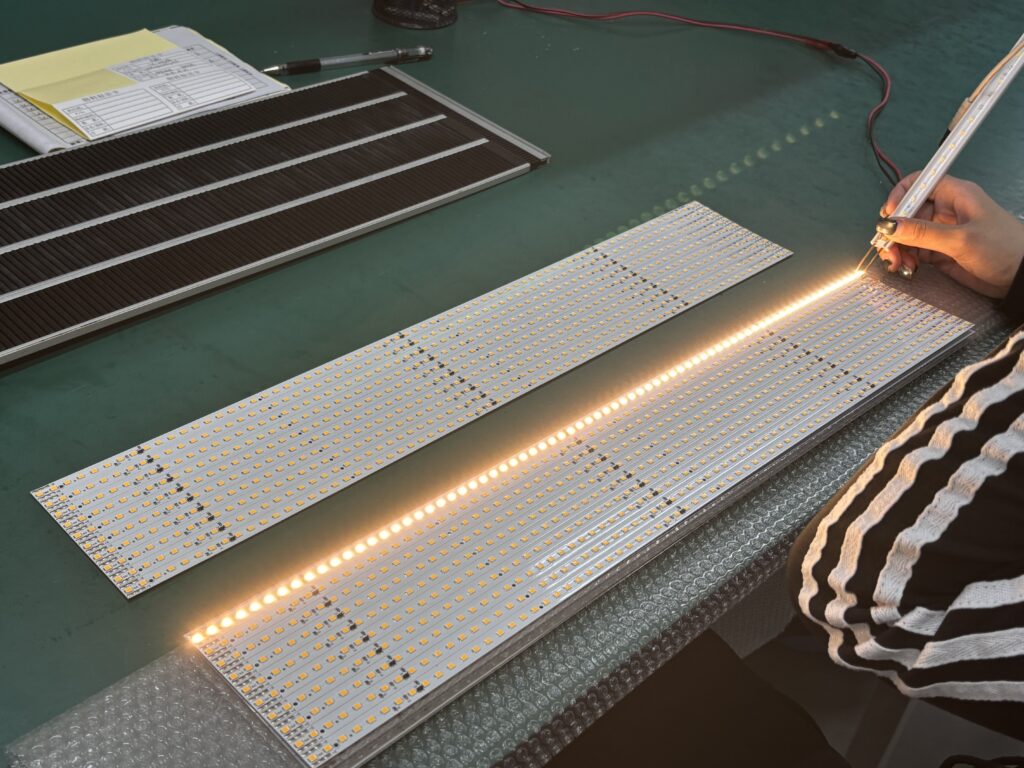
Many quality issues originate long before products reach the assembly line. Improper storage conditions can compromise material performance and introduce risks that are difficult to correct later in the process. LED lighting manufacturing places high requirements on electronic components. Limpio, dry, and controlled environments are essential. Dust, moisture, and static electricity can all affect component reliability and long-term performance.
Warehouses and SMT workshops, por lo tanto, follow strict dust-proof, moisture-proof, and anti-static management practices. Production staff wear protective clothing and shoe covers when entering controlled areas, and access is restricted to authorized personnel only. These measures help maintain a stable manufacturing environment.
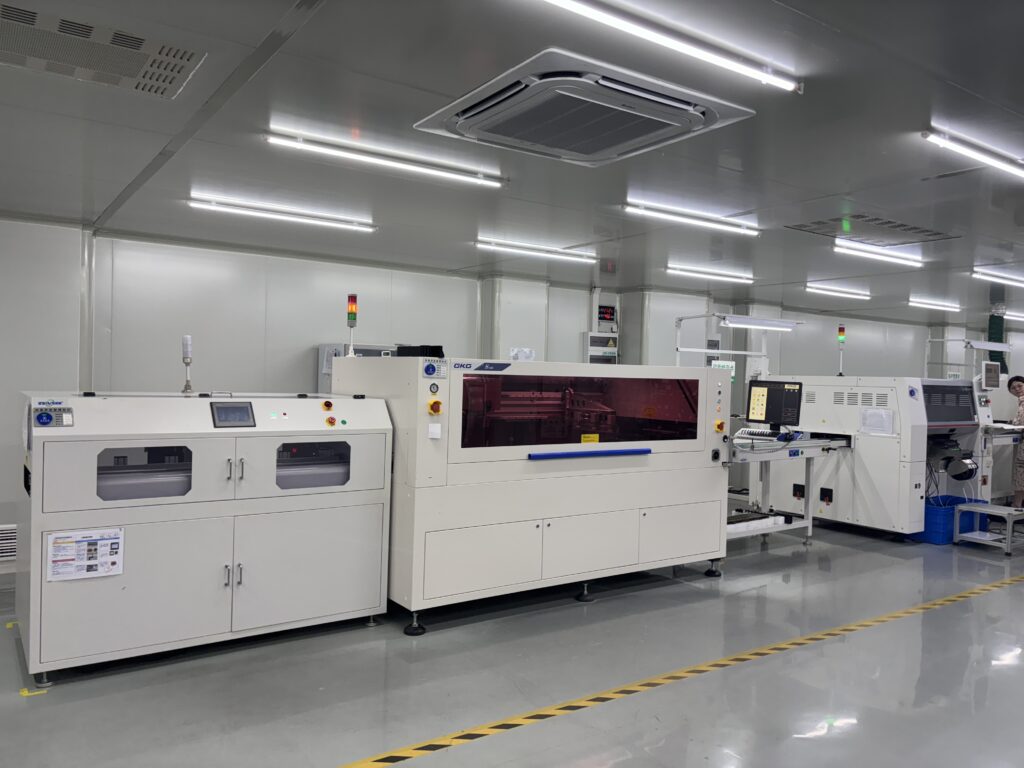
Properly protected LED chips exhibit lower light decay over time, while other electronic components maintain more stable electrical performance. This directly contributes to longer product lifetime, fewer field failures, and lower after-sales risk for customers. From a brand perspective, stable product quality reduces maintenance frequency and protects long-term brand reputation in retail environments.
5. Warehouse Strength as a Hidden Competitive Advantage in Delivery and Sales
Strong warehouse management does more than support production—it becomes a hidden competitive advantage in the market. Once production requirements are released, material availability can be quickly verified, and materials can be allocated according to order needs. This allows production schedules to be arranged efficiently and enables rapid response to customer projects.
With sufficient inventory in place, large-volume orders and urgent projects can be handled with confidence. When materials are readily available, production efficiency increases and lead times are shortened. This creates a positive cycle: stable inventory supports efficient production, which supports reliable delivery. For customers, this stability translates into predictable supply and reduced inventory pressure on their side. Over time, such reliability builds trust and makes long-term cooperation more likely. It is also one of the key reasons why manufacturers with strong operational foundations are more likely to become preferred or designated suppliers.
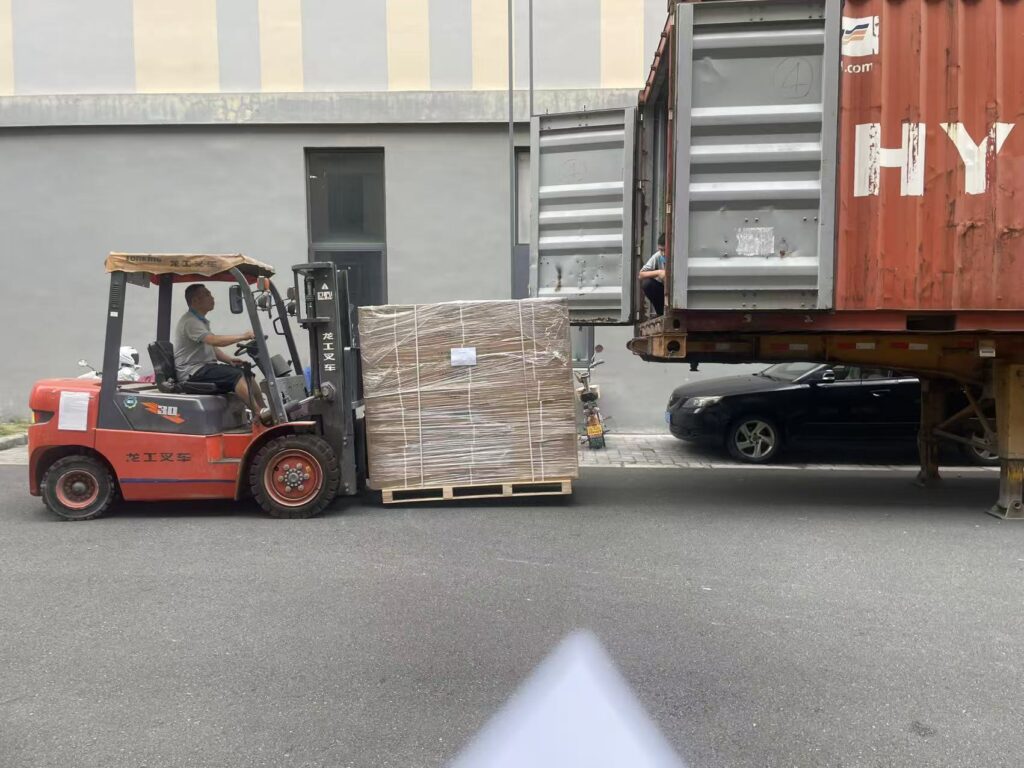
Laidishine‘s Worker Is Loading Goods
6. Systematic Management Today, Continuous Improvement for Tomorrow
Laidishine has established a structured and disciplined warehouse management process supported by dedicated personnel. Regular stocktaking is conducted to ensure inventory accuracy. Incoming inspection and outgoing inspection procedures are implemented to control quality at both ends of the supply chain. Batch traceability is in place to support consistency and accountability throughout production. Material movements are recorded through a card-based in-and-out tracking system, ensuring visibility and traceability even before full digitalization. Automated SMT production lines further enhance manufacturing consistency and efficiency. An ERP and warehouse management system (WMS) is currently under planning, which will further strengthen data integration, inventory visibility, and process control. Even before full digitalization, the foundation of systematic inventory control had already been established. This step-by-step approach reflects a long-term mindset: building reliable systems first, then enhancing them with digital tools.
7. Reliability Starts Long Before Assembly
Confiable iluminación de visualización refrigerada does not begin at the end of the production line. It starts with how materials are selected, stored, tracked, and managed. Stable warehouse management supports stable manufacturing. Stable manufacturing delivers consistent product performance. And consistent performance is what allows lighting systems to operate reliably in demanding retail environments for years.
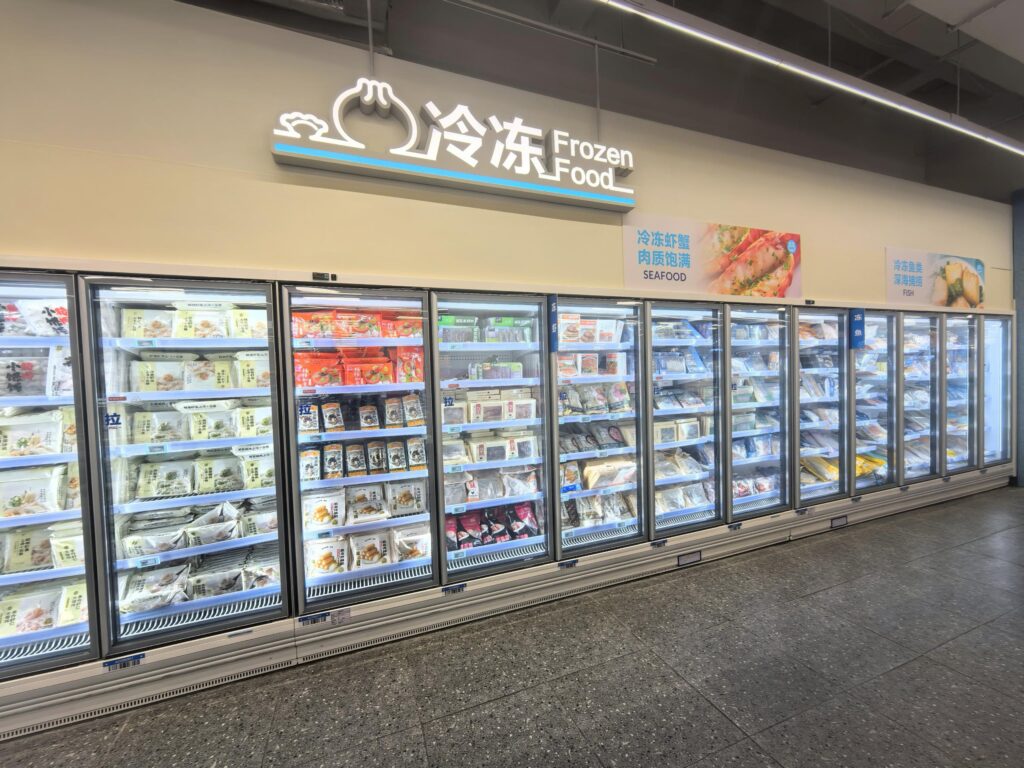
With long service life expectations and warranties of 3–5 years, reliability is not just a promise—it is the result of disciplined systems and continuous improvement. Desde Laidishine, warehouse management is not viewed as a back-end function, but as a fundamental part of delivering reliable, long-lasting refrigerated display lighting solutions to global customers.