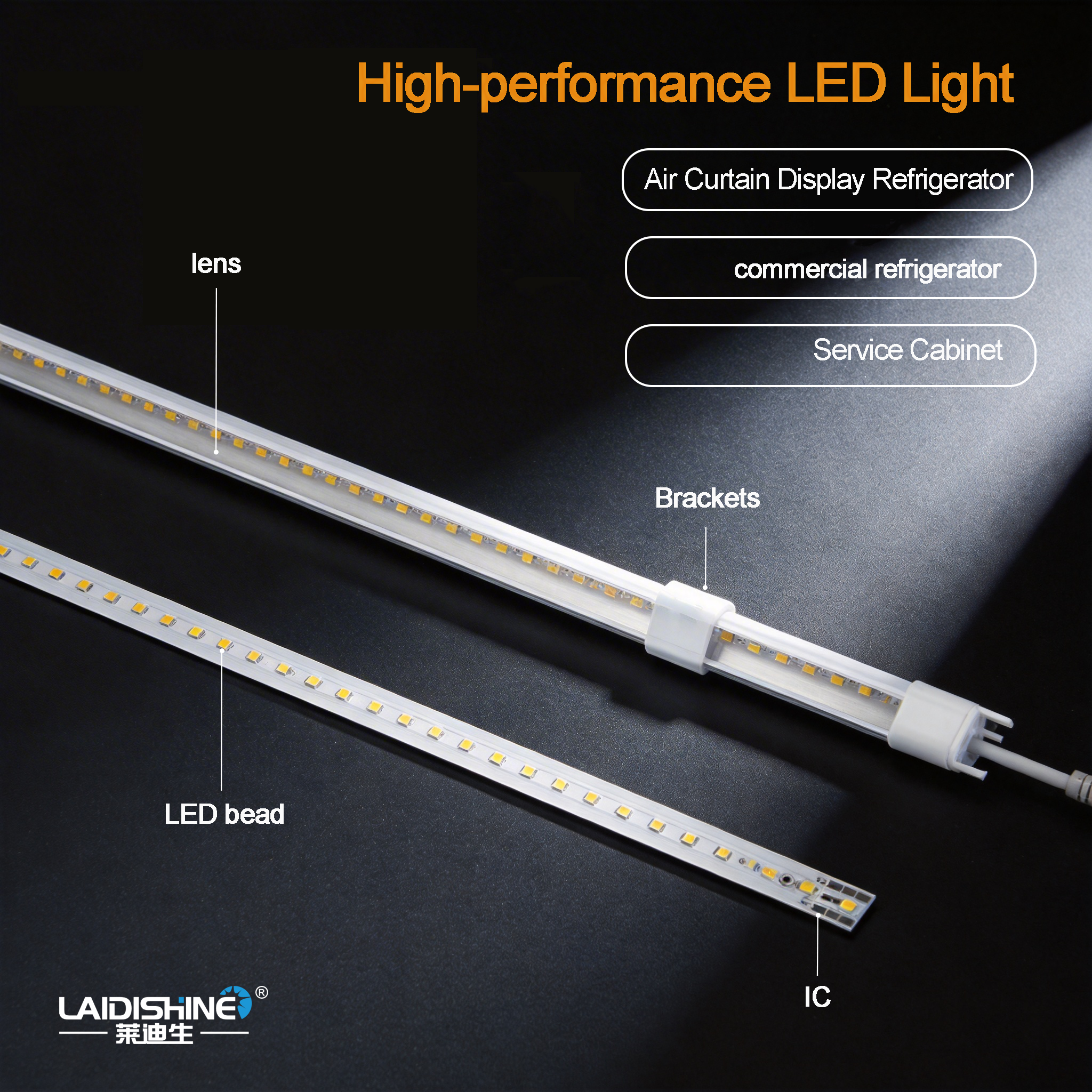
Wir betreuen derzeit einen Kunden, der besonderen Wert auf die thermische Leistung gewerblicher Kühlbeleuchtungskörper legt. Unsere Kommunikation läuft seit fünf Monaten.
Warum ist der Kunde so besorgt über die Wärmeableitung??
Die wesentlichen Gründe liegen in zwei Aspekten:
Erste, wie wir in diesem Artikel erwähnt haben, Warum strahlen LED-Leuchten Licht in verschiedenen Farben aus?, beim Betrieb von LED-Leuchten? Wenn elektrische Energie durch den PN-Übergang des Chips in Licht umgewandelt wird, ein Teil der Energie wird zwangsläufig als Wärme freigesetzt – Lichtemission geht immer mit Wärmeentwicklung einher. Überlanger Betrieb, Die angesammelten hohen Temperaturen beschleunigen die Alterung von LED-Chips und internen elektronischen Komponenten, Dadurch wird die Lebensdauer des Geräts direkt verkürzt, Dies führt zu häufigem Austausch und deutlich steigenden Wartungskosten.
Zweite, Die von den Lichtern der Kühlbox abgegebene Wärme trägt direkt zur gesamten Wärmebelastung in der Kühlvitrine bei, Dadurch wird der Kompressor gezwungen, häufiger oder über längere Zeiträume zu laufen, um die eingestellte Temperatur aufrechtzuerhalten, Dadurch steigen der Energieverbrauch und die Betriebskosten.
Tatsächlich, um diese Herausforderung anzugehen, unser aktueller LED-Kühlerbeleuchtung verfolgen vor allem zwei Ansätze:
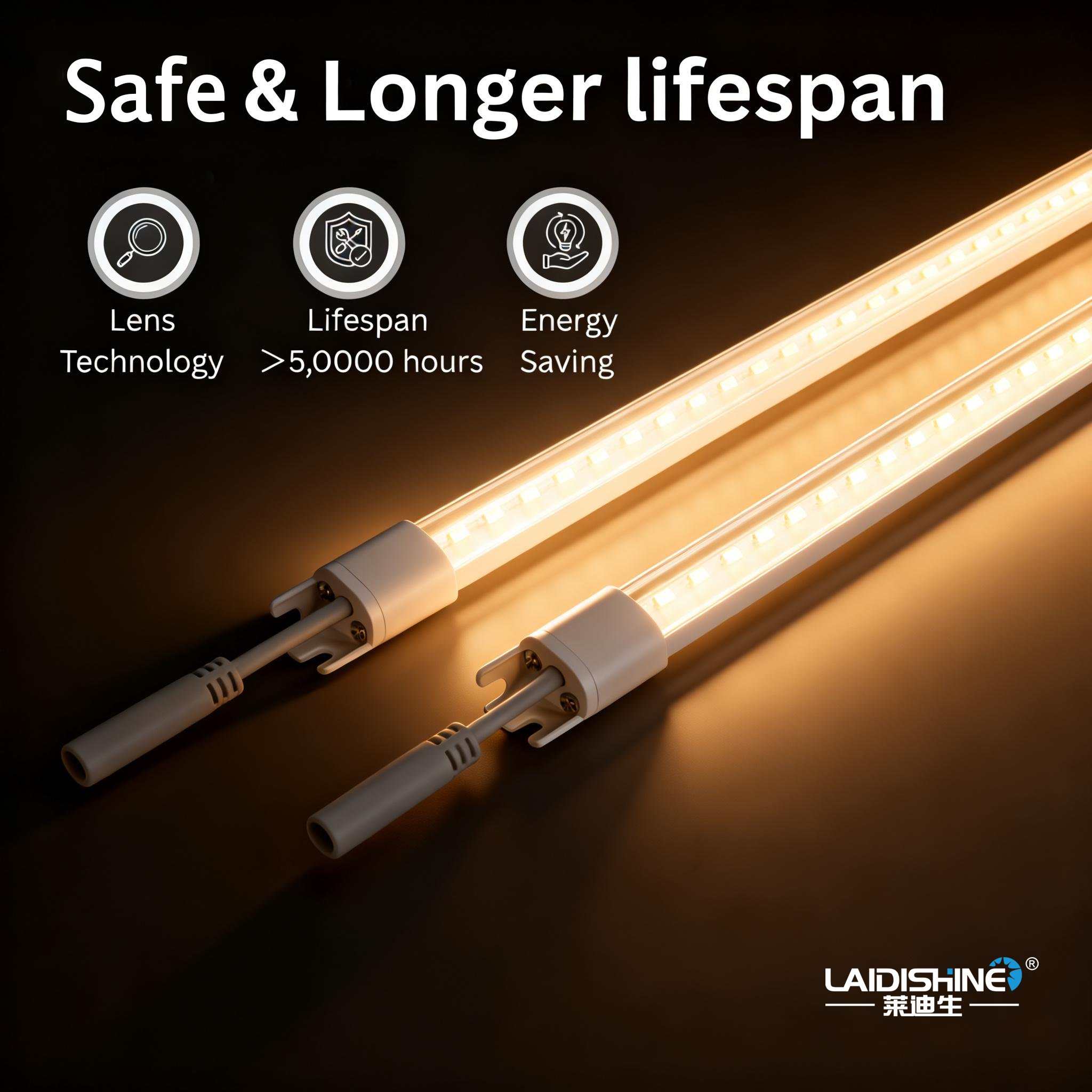
Verbesserte Wärmeableitungsstruktur: Um die Wärme schnell von den LED-Chips abzuleiten, werden Aluminium-Strangpressprofile verwendet. Zum Beispiel, die Ladyshine SPU, LBF, und CNP-Serien verwenden Leiterplatten auf Aluminiumbasis und ein Halbaluminium, Halbkunststoffgehäusedesign zur Verbesserung der Wärmeableitung und Gewährleistung einer langen Lebensdauer.
Niederspannung, hocheffiziente Treiber: Der Treiber ist oft das schwache Glied bei LED-Leuchten. Wir verwenden 24-V-DC-Niederspannungs-Stromversorgungssysteme, Dies erhöht nicht nur die Sicherheit, sondern reduziert auch die allgemeine Wärmeentwicklung. Gleichzeitig, Wir achten darauf, dass die Treiber mit tieftemperaturbeständigen Komponenten wie Festkörperkondensatoren ausgestattet sind, Ermöglicht einen stabilen Betrieb in Umgebungen unter Null und vermeidet zusätzliche Wärme durch häufige Startvorgänge.
jedoch, nachdem wir dem Kunden die ersten Muster zur Verfügung gestellt haben, Ihre Testergebnisse zeigten, dass immer noch etwas Wärme nach außen entweicht, während das aktuelle Produkt des Kunden nahezu keine wahrnehmbare Wärme erzeugt. Als Antwort, Wir führten wiederholte Experimente durch und ersetzten das Material der LED-Platine durch eine Glasfaserplatte – dieses Material speichert die Wärme effektiv im Lampenkörper, verhindert die Freisetzung in die kühlere Umgebung und reduziert so die thermische Belastung. Der Nachteil besteht jedoch darin, dass die gesamte Wärme jetzt im Körper konzentriert ist, Dies erhöht die Innentemperatur und gefährdet ernsthaft die Lebensdauer des Geräts.
Letztlich, nach Rücksprache, Wir haben den folgenden Ansatz gewählt: Reduzieren Sie die Gesamtleistung der Leuchte und erhöhen Sie gleichzeitig die Lichtausbeute der LEDs. Mit deutlicher Leistungsreduzierung, auch wenn das Wärmeumwandlungsverhältnis unverändert bleibt, die absolute erzeugte Wärmemenge sinkt erheblich. Diese Lösung erfüllt die strengen Anforderungen des Kunden, die interne Wärmebelastung zu minimieren und gleichzeitig die Temperatur des Lampenkörpers in einem angemessenen Bereich zu halten, um eine lange Lebensdauer zu gewährleisten. Diese ausgewogene Strategie bietet sowohl Leistung als auch Zuverlässigkeit und wartet derzeit auf eine weitere Validierung und Bestätigung durch den Kunden.