في حياتنا اليومية, بصرف النظر عن أشعة الشمس الدافئة, أصبحت مصابيح LED المصدر الرئيسي للإضاءة. من شاشات الهاتف المحمول التي ترافقنا في جميع الأوقات إلى الإضاءة المنزلية المريحة والدافئة, ومن ثم إلى أضواء النيون المبهرة التي تزين المدن ليلاً, أضواء LED تأسر الناس بسحرها الفريد. لذا, لماذا بالضبط يمكن لمصابيح LED أن تبعث الضوء؟, وكيف يمكنهم عرض هذه المجموعة الغنية من الألوان مثل اللون الأبيض, أخضر, أزرق, والأحمر? ما هي الألغاز العلمية التي تكمن وراء هذه الظاهرة؟? دعونا نتعمق أكثر ونستكشف معًا.
لماذا يمكن أن تنبعث مصابيح LED الضوء?
LED هو في الواقع صمام ثنائي باعث للضوء, والتي تكون مصنوعة من مواد شبه موصلة. يعتمد المبدأ الكامن وراء قدرة مصابيح LED على انبعاث الضوء على هيكل نطاق الطاقة الفريد الخاص بها وعملية إعادة تركيب الموجة الحاملة.
المواد شبه الموصلة هي بلورات عالية الجودة تترتب فيها الذرات بشكل دوري في الفضاء. تتكون كل ذرة من نواة موجبة الشحنة وإلكترونات سالبة الشحنة. لأن البلورة تحتوي على عدد كبير من الذرات, تتفاعل هذه الذرات مع بعضها البعض. يشكل هذا التفاعل الدوري نطاقات طاقة داخل البلورة, وهناك العديد من فرق الطاقة الموجودة. يوفر كل نطاق طاقة العديد من المواقع التي تشغلها الإلكترونات, ويتقدم توزيع الإلكترونات داخل نطاق الطاقة من مواقع الطاقة الأدنى إلى تلك ذات الطاقة الأعلى.
ضمن نطاقات الطاقة من البلورة, بعضها مشغول بالإلكترونات والبعض الآخر ليس كذلك. من بين نطاقات الطاقة المحتلة, الشخص الذي يتمتع بأعلى طاقة, إذا كانت مملوءة جزئيًا بالإلكترونات فقط, يُعرف باسم نطاق التوصيل. توجد الإلكترونات الموجودة في نطاق التوصيل عند مستويات طاقة عالية نسبيًا وتمتلك طاقة كافية للتحرك بحرية, وبالتالي تشكيل تيار كهربائي. على العكس من ذلك, إذا كان نطاق الطاقة هذا مملوءًا بالكامل بالإلكترونات, يطلق عليه فرقة التكافؤ. تكون الإلكترونات الموجودة في نطاق التكافؤ عند مستويات طاقة أقل, وطاقتهم غير كافية للسماح لهم بالتحرك بحرية. توجد فجوة طاقة معينة بين الجزء العلوي من نطاق التكافؤ وأسفل نطاق التوصيل, المعروف باسم فجوة الحزمة أو الفرقة المحرمة. لا يمكن للإلكترونات أن تقيم في هذه المنطقة, على الرغم من أنهم يستطيعون اجتيازه.
عندما يتم تطبيق الجهد الخارجي, يمكن إثارة بعض الإلكترونات الموجودة في نطاق التكافؤ إلى نطاق التوصيل, تشكيل ناقلات شحنة تتحرك بحرية. في أثناء, في فرقة التكافؤ المشغولة بالكامل في الأصل, غياب بعض الإلكترونات يترك مناصب شاغرة, والتي نشير إليها بالثقوب. تعد عمليات الحركة وإعادة التركيب لحاملات الشحنة هذه داخل مادة أشباه الموصلات أمرًا بالغ الأهمية لتحقيق انبعاث الضوء.
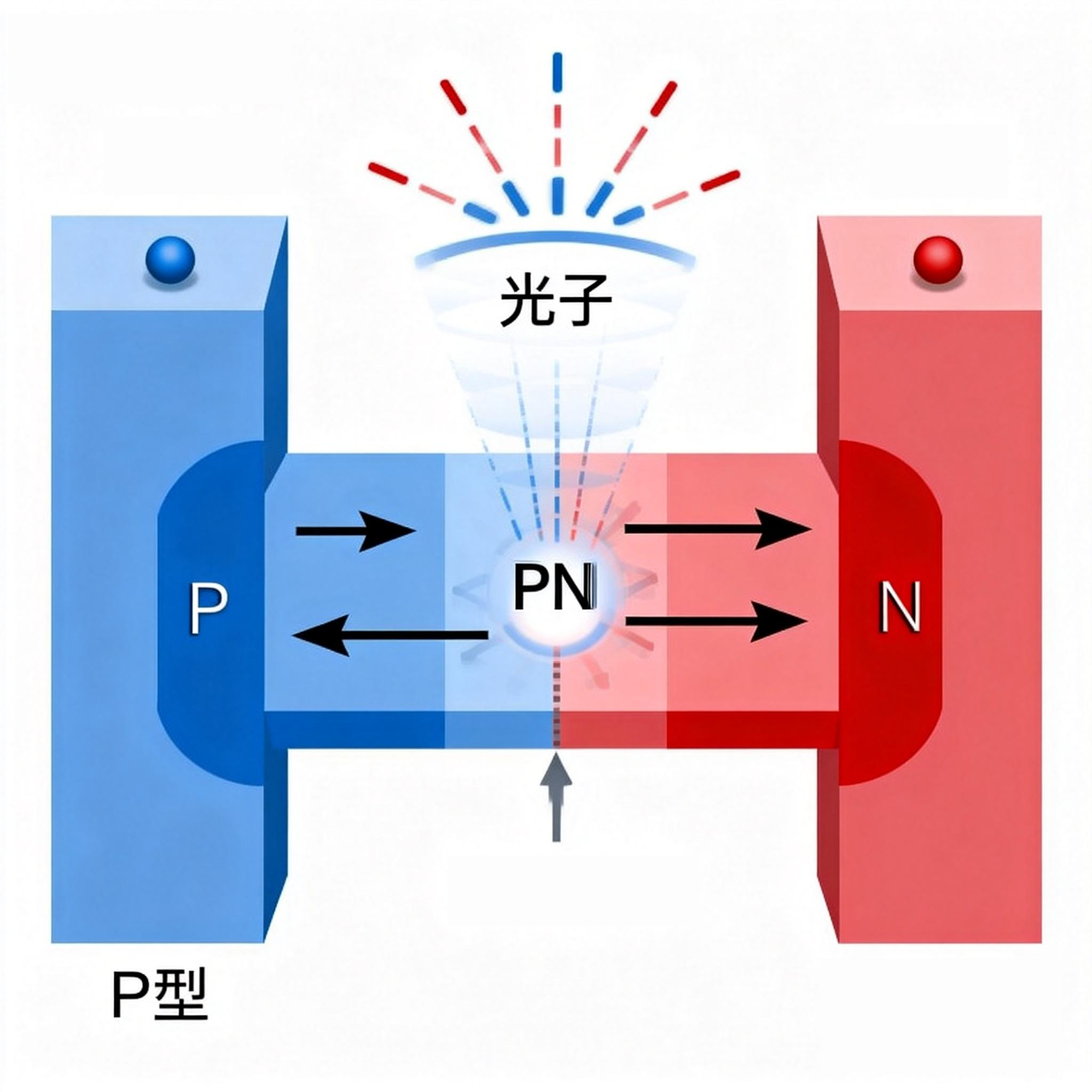
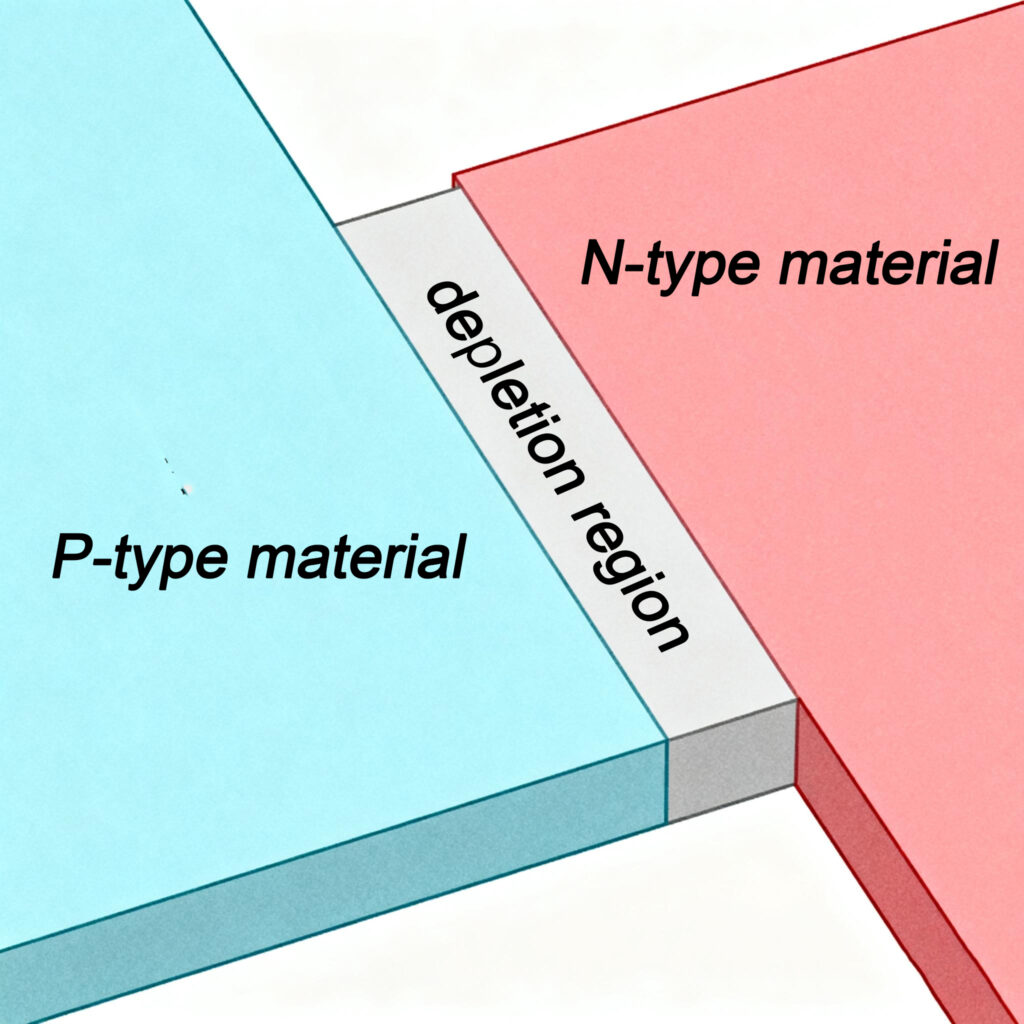
LED هو الصمام الثنائي الباعث للضوء, والذي يتكون من هيكل الصمام الثنائي مع تقاطع PN يتكون من الجمع بين أشباه الموصلات من النوع P والنوع N. عندما نضع أشباه الموصلات من النوع P والنوع N معًا, حتى بدون توصيلهم بالدائرة, ستنتشر بعض الإلكترونات من شبه الموصل من النوع N إلى شبه الموصل من النوع P وتسقط في الثقوب الموجودة في المادة من النوع P. يؤدي هذا إلى حصول أشباه الموصلات من النوع P على شحنة سالبة طفيفة, في حين أن أشباه الموصلات من النوع N تصبح مشحونة بشكل إيجابي قليلاً, مما يؤدي إلى تكوين مجال كهربائي داخلي, المعروف باسم تقاطع PN. داخل تقاطع PN, عندما تواجه الإلكترونات الثقوب, سوف تقفز الإلكترونات الموجودة في نطاق التوصيل إلى الثقوب الموجودة في نطاق التكافؤ. خلال عملية إعادة التركيب لثقب الإلكترون, يتم إطلاق الطاقة على شكل ضوء. هذا هو المبدأ الأساسي وراء كيفية انبعاث الضوء من مصابيح LED.
مصابيح LED تنبعث منها ضوء بألوان مختلفة
يرتبط مستوى الطاقة المتضمن في عملية انبعاث الضوء ببنية نطاق الطاقة لمادة أشباه الموصلات. تؤدي المواد المختلفة وهياكل نطاق الطاقة إلى أطوال موجية وألوان انبعاث مختلفة. خاصة:
انتقال الإلكترون وفرق الطاقة
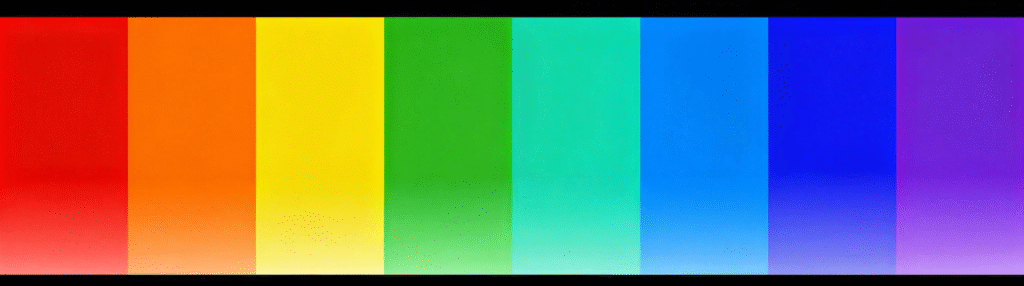
عندما ينتقل الإلكترون من مدار ذو طاقة أعلى إلى مدار منخفض الطاقة, فهو يطلق طاقة تنتشر على شكل موجات كهرومغناطيسية. يختلف فرق الطاقة المنبعث أثناء التحولات الإلكترونية بين العناصر المختلفة, المقابلة للضوء بأطوال موجية مختلفة. كلما زادت الطاقة, كلما كان الطول الموجي أقصر. في الطيف, وتزداد الطاقة المطلوبة من اليسار إلى اليمين. ولهذا السبب تم اختراع مصابيح LED الحمراء أولاً, لأنها تتطلب أقل قدر من الطاقة, تليها الخضراء, ثم الأزرق. وهذا أيضًا هو السبب وراء صعوبة اختراع مصابيح LED الزرقاء, لأن الضوء الأزرق يتطلب المزيد من الطاقة.
الأطوال الموجية ل 400-500 نانومتر تتوافق مع الضوء الأزرق, 500-600 نانومتر إلى الضوء الأخضر, و 600-700 نانومتر إلى الضوء الأحمر.
اختيار المواد والتحكم في الألوان
يتكون تقاطع PN داخل LED بشكل عام من مركبات مثل فوسفيد زرنيخيد الغاليوم. عندما يتم استخدام مواد مختلفة, تختلف الأطوال الموجية للضوء المنبعث عند الكهربة. لذلك, ببساطة عن طريق تغيير مادة تقاطع PN الداخلي, ويمكن إنتاج الثنائيات الباعثة للضوء بألوان مختلفة.
الصمام الأزرق: عندما يتم استخدام نيتريد الغاليوم كمادة أشباه الموصلات, طاقة انتقال الإلكترون عالية نسبيا, إطلاق الضوء بطول موجي تقريبًا 460 نانومتر, الذي يظهر باللون الأزرق. هذا هو المبدأ الكامن وراء انبعاث مصابيح LED الزرقاء.
الصمام الأخضر: عندما يتم استخدام فوسفيد الغاليوم, الضوء المنبعث له طول موجي يبلغ حوالي 560 نانومتر, تقديم اللون الأخضر. وهذا ما يفسر آلية انبعاث المصابيح الخضراء.
الصمام الأحمر: زرنيخيد الغاليوم, على الجانب الآخر, يطلق ضوءًا بطول موجي تقريبًا 660 نانومتر, ظهور اللون الأحمر. هذا هو المبدأ الكامن وراء انبعاث مصابيح LED الحمراء.
لإنتاج الضوء الأبيض مع المصابيح, تُعرف أيضًا باسم مصابيح LED البيضاء, مطلوب تصاميم إضافية. تتضمن إحدى الطرق الجمع بين الثنائيات الباعثة للضوء بألوان مختلفة لإنشاء تأثير الضوء الأبيض. هناك طريقة أخرى تستخدم مصباح LED أزرق مطلي بالفوسفور. يضيء الضوء الأزرق المنبعث من LED الفوسفور, تحويل جزء من الضوء الأزرق إلى ألوان أخرى من الضوء. يظهر التأثير النهائي كضوء أبيض.
من خلال المقدمة التفصيلية أعلاه عن مبدأ انبعاث الضوء لمصابيح LED والآليات الكامنة وراء انبعاثها للألوان المختلفة, أعتقد أن كل شخص لديه الآن فهم أعمق لمصابيح LED. مع التقدم التكنولوجي المستمر, ستصبح تطبيقات مصابيح LED في مختلف المجالات مثل الإضاءة وشاشات العرض أكثر انتشارًا وتميزًا.